


At Sports Nutrition Academy (SNAc) Malaysia, nutritionists working with active women often see a common pattern: persistent fatigue, slow recovery after a gym session, and frustration despite a “clean” diet. “Many women are incredibly disciplined, but they are often accidentally under-fueling for their busy lives,” explains Tania, SNAc co-founder, dietitian and an ex-competitive swimmer. “When we align food with hormonal health, it’s not just their fitness that improves—it’s their mood and daily energy, too.”
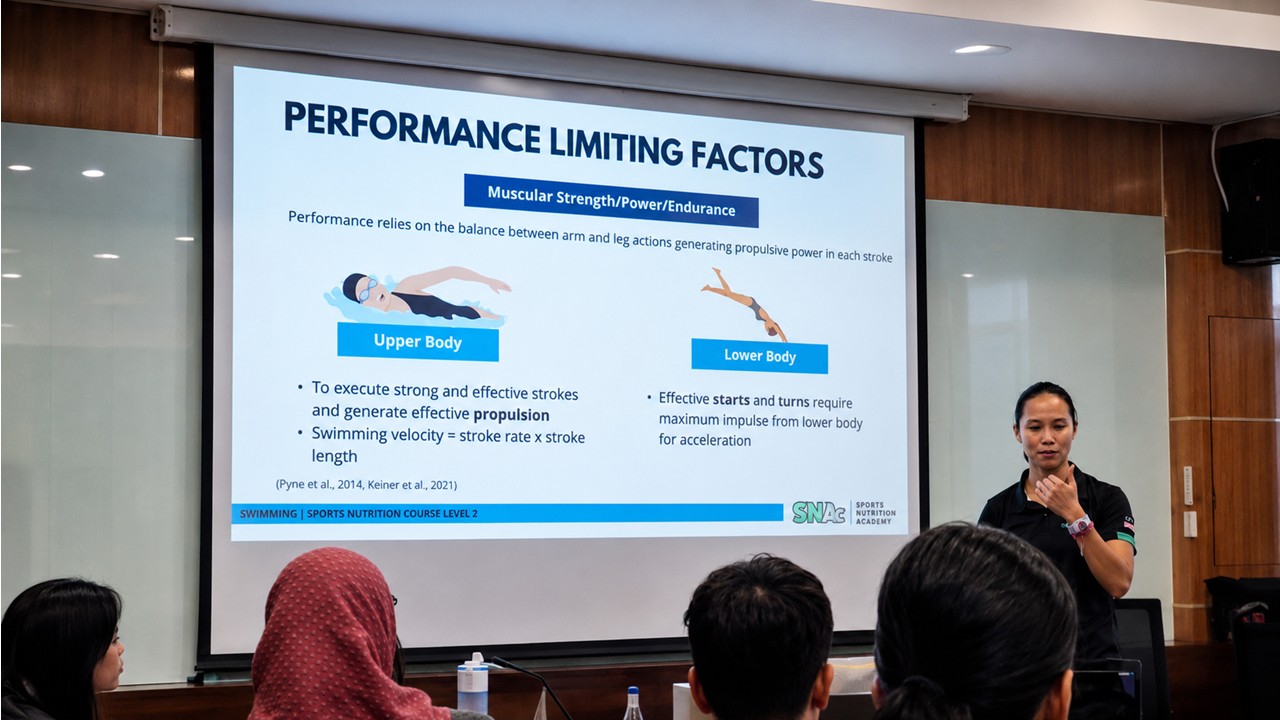
One of the biggest hurdles for the recreational exerciser is “Low Energy Availability”. This isn’t just a pro-athlete problem. It happens when we try to “do it all”—work, family, and exercise—without increasing our intake to match our activity levels. Research suggests nearly half of active women experience this, leading to more than just tiredness; it can cause hair thinning, mood swings, and irregular menstrual cycles. “A lot of females, athletic or non-athletic, don’t seem to appreciate that they have their menstruation.” says Dr Jerilee, a pediatric-adolescent gynaecologist at Pantai Hospital KL. “Having your menses is a good ‘monthly checkpoint’—it is the sound of a healthy body in motion.”
Hormonal fluctuations throughout the month affect our hydration, strength, and even how we burn carbohydrates. Instead of pushing through a grueling workout on “empty,” nutrition can be that extra boost. “We aren’t suggesting a different diet every week,” explained Kamsina, a nutritionist, endurance runner and a mother. “But being intentional—like increasing iron-rich foods or adding a bit more carbohydrates and protein during certain phases—makes your fitness journey feel sustainable rather than like a chore.”
Iron deficiency is a silent energy-thief for many active Malaysian women. Studies across Asia show that one in three active women have suboptimal iron levels. If you find yourself struggling to finish a workout you used to enjoy, it might not be a lack of fitness. “Women often blame their lack of sleep or work stress,” says Kamsina. “But often, the fix is as simple as eating fortified cereal every morning to meet your body’s daily need for iron.”
For the recreational woman, “recovery” isn’t just about muscle repair; it’s about having enough left in the tank to cook dinner or lead a meeting after the morning run. Between work commitments and family responsibilities, many women prioritize everyone else’s needs before their own post-workout meal. Research shows that a simple snack of carbs and protein after exercise can dramatically reduce “delayed onset muscle soreness” and midday crashes. “When you’re well-fueled, you don’t just ‘survive’ your workout; you thrive throughout the rest of your day.”
This Mother’s Day, we’re celebrating the strength of the active woman. Whether you are training for your first 5km or simply staying strong to keep up with your kids, nutrition is your foundation. At SNAc, our co-founders live this reality every day; they are mothers who fuel high-performance athletes by day and manage their own active families by night. They believe every mother deserves to feel strong and energized, ensuring she can show up fully for her children and her own well-being.