


Training and competing in Southeast Asia comes with a challenge. Athletes in cooler climates rarely have to think about heat and humidity that never really switch off. In countries like Malaysia, Singapore, and Thailand, hydration isn’t just about drinking more water. It’s about understanding how the body responds to heat, sweat loss, and recovery in conditions where dehydration can happen faster than most athletes realise.
According to sports science research, athletes training in hot and humid environments can lose between one to three litres of fluid per hour through sweat, sometimes more during outdoor sessions. What makes humidity particularly dangerous is that sweat doesn’t evaporate as efficiently, meaning the body struggles to cool itself. “A lot of athletes think if they’re sweating, they’re cooling down,” explains Justine, sports nutritionist from SNAc Malaysia. “In high humidity, that cooling effect is reduced, so the risk of heat stress increases even when training feels manageable.”
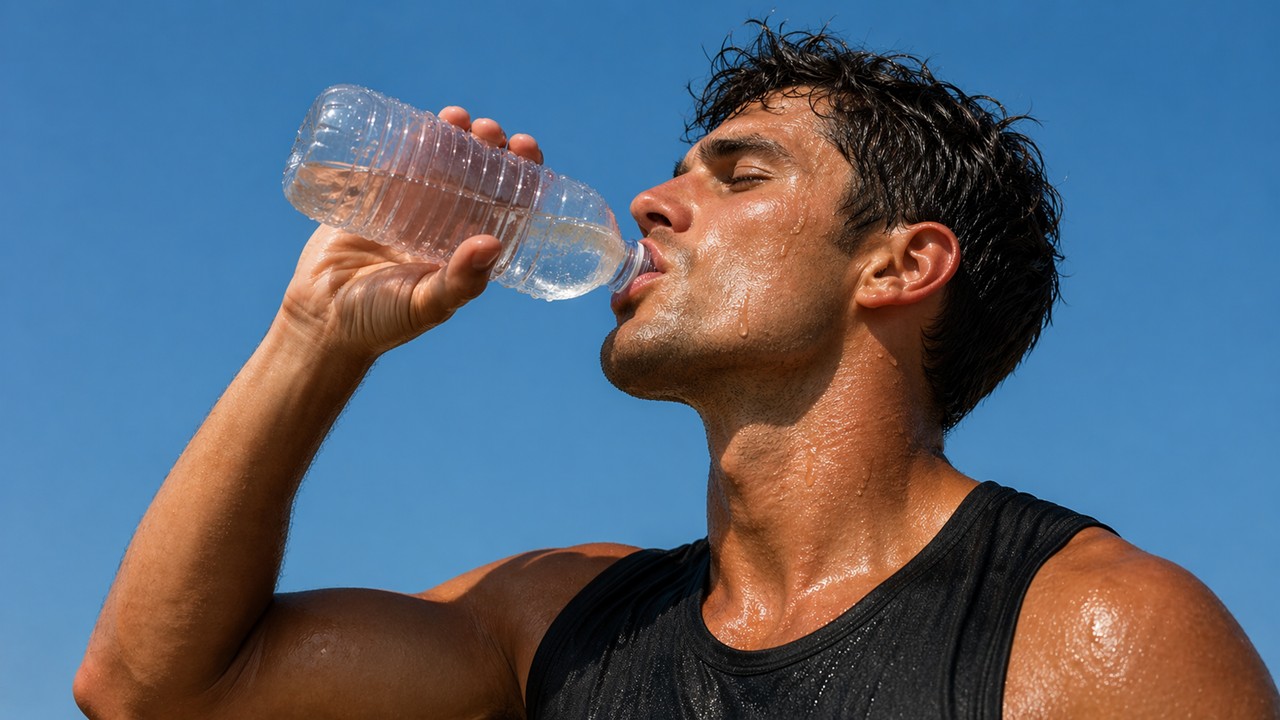
Even mild dehydration can have a measurable impact on performance. Studies show that losing just two percent of body weight through fluid loss can reduce endurance, coordination, and decision-making. In skill-based and team sports, this can translate to slower reaction times and higher injury risk. “Hydration isn’t only about endurance,” Justine noted. “We see technical errors increase when athletes are under-hydrated, especially late in sessions.”
One common mistake among ASEAN athletes is relying solely on thirst as a guide. By the time thirst kicks in, dehydration has often already started. This is particularly true during early morning or evening sessions, when cooler temperatures can mask fluid loss. “Athletes tell us they didn’t feel thirsty, but their body weight dropped more than 2% after training,” says Justine. “That drop in weight is not an indication of hard work but a clear sign that hydration strategies need to be more structured.”
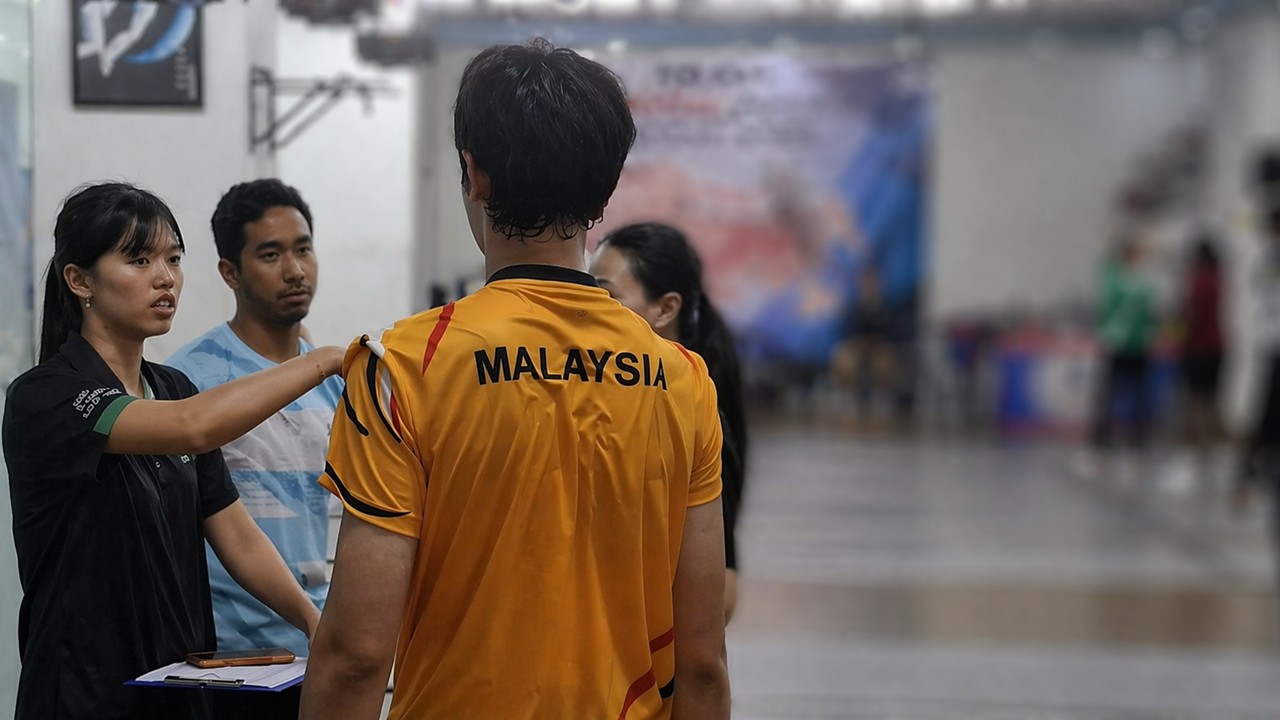
Another misconception is that plain water is always enough. While water is essential, long or intense sessions in hot climates often require electrolytes to replace sodium lost through sweat. Research indicates that athletes training in tropical conditions can lose up to 1,000 milligrams of sodium per litre of sweat. Without replacing it, symptoms like cramping, dizziness, and early fatigue become more likely. “Hydration isn’t just fluid,” a SNAC expert explains. “It’s fluid plus electrolytes, timed properly.”
Recovery hydration is just as important and often overlooked. Many athletes finish training, grab a quick shower, and move on with their day without fully rehydrating. In hot climates, incomplete recovery hydration can carry over into the next session, compounding fatigue. Studies show that athletes who fail to replace fluids adequately post-training may start their next session already dehydrated, even if they feel fine.
SNAc Malaysia works closely with athletes to personalise hydration strategies based on sport type, sweat rate, and training environment. Rather than generic advice, the focus is on practical habits monitoring body weight changes, planning fluid intake around sessions, and adjusting electrolyte use during competition periods. “There’s no one-size-fits-all solution,” says Justine, “Two athletes training side by side can have very different hydration needs, and the athlete’s sweat rate may triple during the competition as compared to their training session.”
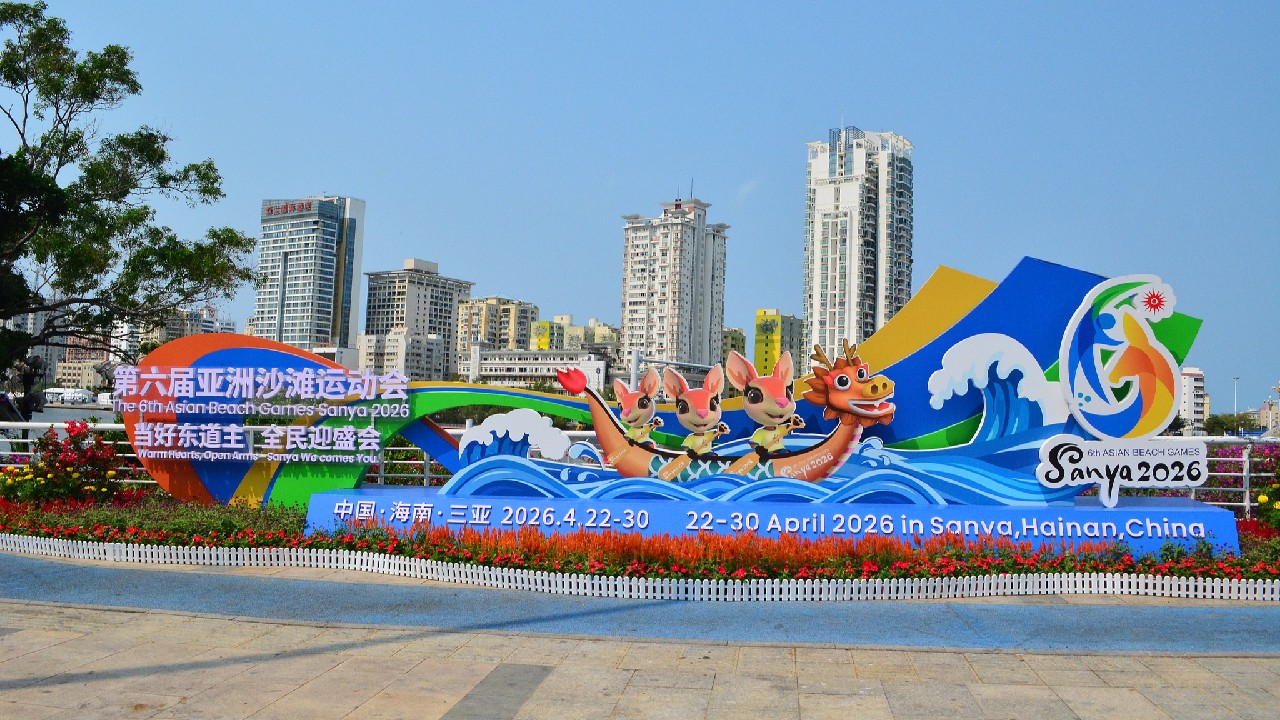
With the 6th Asian Beach Games Sanya 2026 coming up, hydration becomes a key performance differentiator for our Malaysian athletes. The climate in Sanya is similar to Malaysia – hot, sunny, humid. Smart hydration isn’t optional, it’s part of recovery and the winning factor. For athletes serious about performing consistently in the heat, getting hydration right could be the simplest upgrade with the biggest return. We wish all our Malaysian Contingent the very best as they race strong in Sanya.