


According to the World Health Organization and regional sleep studies across Asia, poor sleep quality is increasingly linked to reduced workplace productivity, weakened immune function, burnout, and long-term health risks including anxiety, cardiovascular issues, and chronic fatigue.
As conversations around wellness continue to evolve, more people are beginning to recognize that quality sleep is no longer a luxury, it is essential for performance, mental clarity, emotional balance, and overall wellbeing.
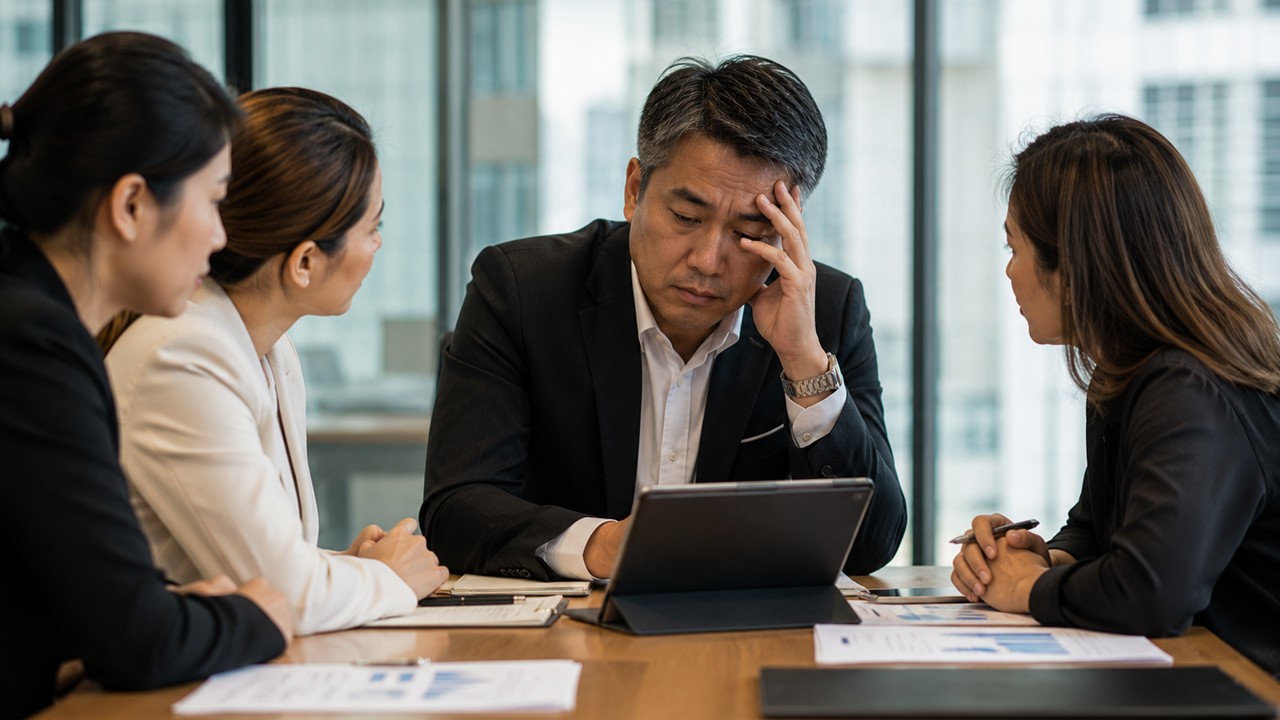
This growing awareness has also sparked greater interest in recovery focused wellness approaches inspired by Japanese healing philosophies, which emphasize restoration, nervous system balance, and preventive care.
“Many people today are physically tired but mentally overstimulated,” says Ms. Sayaka Misume, founder of Japanese Healing. “Even when they sleep, their bodies may still remain in a stressed state. Recovery begins when the nervous system is able to truly relax.”
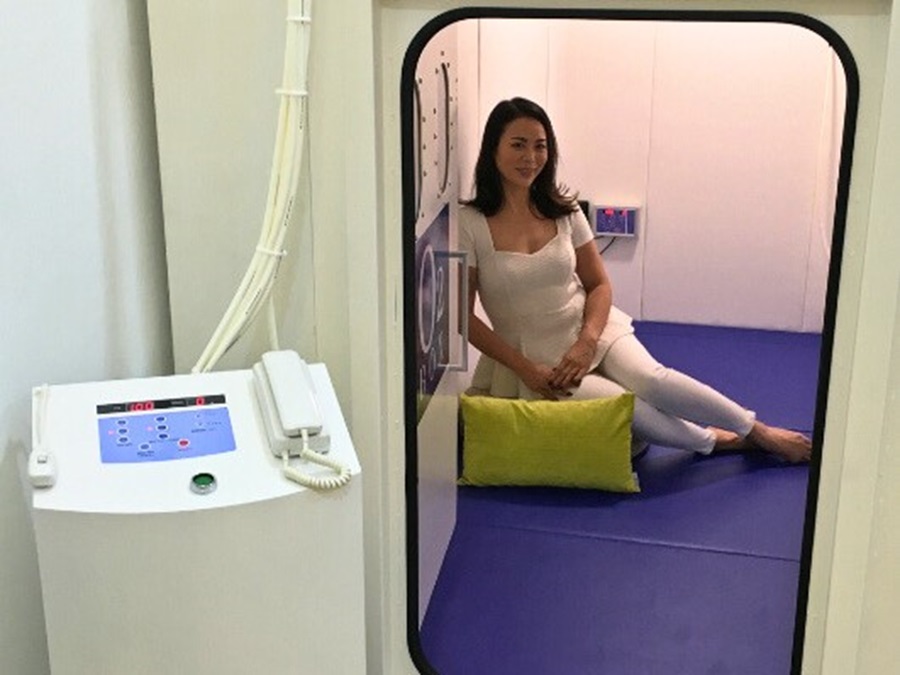
One therapy attracting attention in the wellness and recovery space is Hyperbaric Oxygen Therapy (HBOT), which involves breathing oxygen in a pressurized environment. Supporters believe the therapy may help support relaxation, physical recovery, and overall wellness by improving oxygen delivery throughout the body.

Much of the body’s recovery process takes place during deep sleep. Oxygen plays an important role in supporting cellular repair, muscle recovery, brain function, and energy production. When stress levels remain elevated for long periods, sleep quality can decline, leaving many professionals feeling mentally drained even after a full night in bed.
“Sleep is becoming one of the most valuable forms of recovery in modern life,” explains Ms. Sayaka, now an advocate for recovery centered wellness practices. “People are starting to understand that better sleep affects everything, from mood and focus to productivity and long-term health.”
Japanese recovery culture has long emphasized balance, calm environments, and intentional rest as part of maintaining overall wellbeing. Across Malaysia, more working professionals are beginning to explore wellness routines that support better sleep quality, including evening recovery sessions, mindfulness practices, reduced screen exposure, and guided recovery therapies.
At Japanese Healing, recovery is positioned not as an escape from daily responsibilities, but as a way to help the body and mind function more sustainably under modern pressures.
“With growing awareness around stress and burnout, many people are realizing they cannot continue operating in constant fatigue,” says Ms. Sayaka. “Better sleep is not only about rest. It is about giving the body the opportunity to recover properly so people can perform better during the day.”
As awareness around sleep recovery continues to grow, Japanese Healing is expanding its presence in Kuala Lumpur with its new outlet at Publika alongside its existing location at Plaza Damas 3 in Hartamas. The centres aim to provide working professionals and wellness focused individuals with access to recovery centered services that support better rest, improved focus, and healthier long-term routines.
For individuals struggling with stress, poor sleep, or burnout, experts encourage building healthier evening recovery habits and seeking professional guidance where needed to support deeper, more restorative rest.
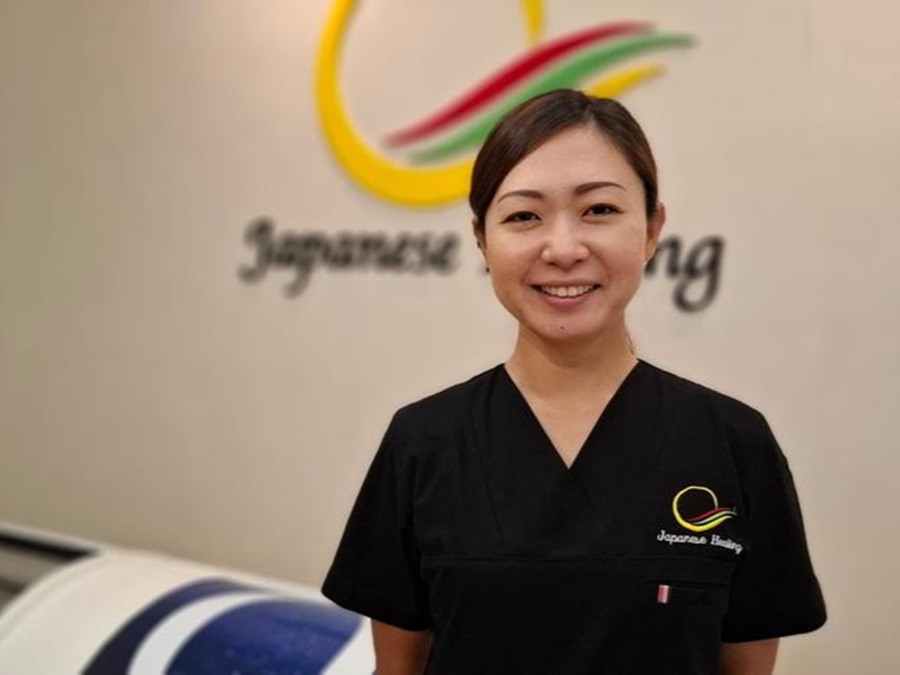
If you are considering HBOT for health issues, it is crucial to consult with a healthcare professional to discuss potential benefits and risks based on your circumstances.
If you are curious about how the Japanese Healing team can get you started on your journey of feeling better, visit www.japanese-healing.com for more information. To book a session at their outlet in Plaza Damas 3, Kuala Lumpur, Malaysia, contact +6012 656 1388 or write to [email protected].
Japanese Healing @ PUBLIKA
D1-G4-01 , Solaris Dutamas , No.1,
Jalan Dutamas 1, 50480, Kuala Lumpur
Japanese Healing @ SRI HARTAMAS
B1-03, 1st Floor, Plaza Damas 3,
Jalan Sri Hartamas 1, 50480 Kuala Lumpur.