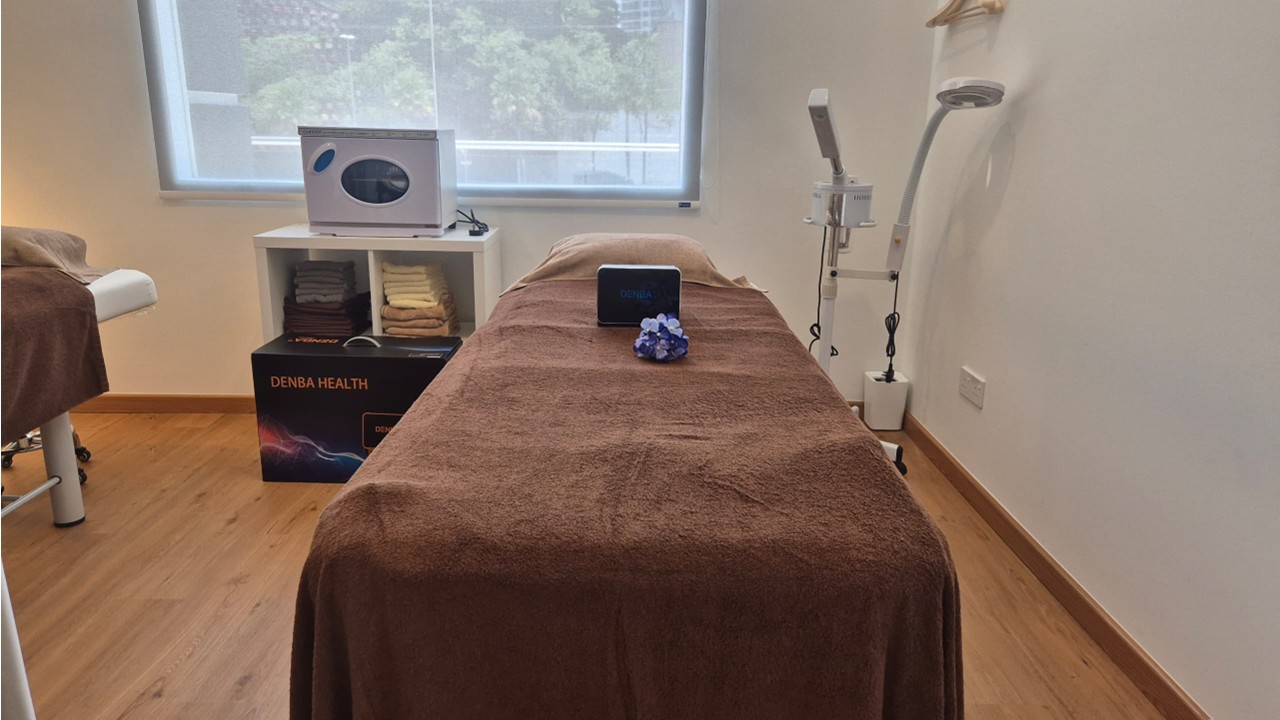


Across Asia, a growing number of athletes are embracing Japanese inspired recovery practices that focus on restoration, balance, and preventive wellness rather than simply treating injuries after they occur. One therapy gaining attention in this space is Hyperbaric Oxygen Therapy (HBOT), which has become increasingly popular among athletes seeking faster recovery and improved physical resilience.
Research published in the National Library of Medicine has suggested that HBOT may support tissue repair, reduce inflammation, and improve recovery outcomes in certain sports related conditions.

“Recovery should not begin only when the body breaks down,” says Ms. Sayaka Misume, founder of Japanese Healing. “In Japanese wellness culture, recovery is integrated into daily life. Athletes who recover consistently are often able to train more sustainably and perform more consistently over time.”
This mindset is becoming increasingly relevant in Malaysia, where sports communities and associations are paying greater attention to recovery science. Several local running clubs, football groups, and fitness communities have begun exploring partnerships and wellness initiatives that provide athletes with access to recovery-focused services at more affordable community rates.
The growing interest mirrors trends seen globally. International athletes including football superstar Cristiano Ronaldo and swimmer Michael Phelps have openly discussed the importance of advanced recovery methods as part of maintaining elite level performance. Japanese recovery philosophies, which emphasize discipline, rest, and proactive care, align naturally with this evolution in modern sports culture.
For athletes, one of the greatest challenges is balancing intense training loads with adequate recovery. Without proper recovery, repetitive strain and accumulated fatigue can increase the risk of injury and reduce performance consistency.
“Many athletes focus heavily on training intensity, but fewer prioritize recovery with the same discipline,” explains Ms. Sayaka, an advocate for wider HBOT awareness in the wellness and sports sector. “The goal is not to replace training or medical treatment. It is to support the body’s natural recovery processes so athletes can continue performing at their best.”
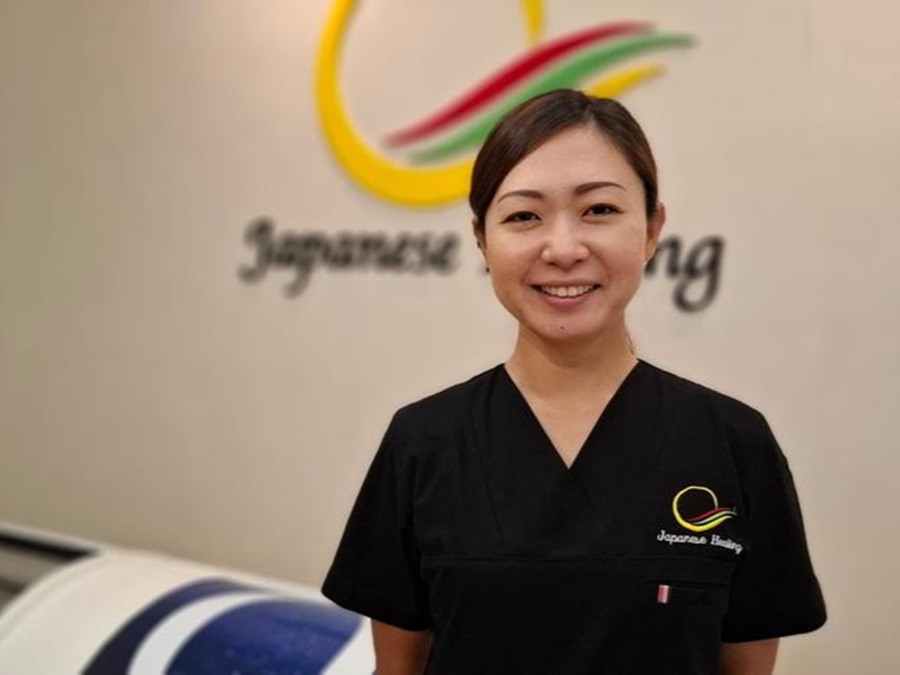
HBOT works by delivering oxygen in a pressurized environment, allowing the body to absorb higher concentrations of oxygen than under normal conditions. Supporters of the therapy believe this can assist with muscle recovery, physical fatigue, and overall wellness support.
Much of athletic performance ultimately depends on how efficiently the body delivers oxygen to muscles and cells. Oxygen plays a critical role in energy production, endurance, muscle repair, and recovery after intense physical activity. During high performance training or competition, the body’s demand for oxygen increases significantly, and recovery can become slower when muscles remain fatigued or inflamed. HBOT is designed to increase the amount of oxygen dissolved into the bloodstream and delivered throughout the body, which is why many athletes see it as a valuable complement to modern recovery programs focused on performance consistency and long-term physical resilience.
In Japan, recovery culture has long been associated with balance and longevity rather than short term performance gains alone. This perspective is beginning to resonate with younger athletes and fitness enthusiasts across Southeast Asia who are seeking more sustainable approaches to health and athletic performance.
Community based recovery initiatives are also becoming more visible. In Malaysia, wellness providers and sports organizations are increasingly discussing collaborations that make recovery programs more accessible to amateur athletes, student competitors, and local sports communities.

With major sporting events on the horizon including SUKMA or the Malaysia Games, the upcoming Asian Games in Japan, and next year’s SEA Games, conversations around athlete preparation and recovery are becoming more important than ever. Coaches, sports communities, and athletes are increasingly recognizing that high performance preparation does not begin a few weeks before competition, it starts months in advance through consistent training, proper recovery, and long term physical care. As recovery science continues to evolve, therapies like HBOT are being explored by athletes as part of a smarter performance strategy that supports endurance, reduces fatigue, and helps maintain consistency during demanding training periods.
For many athletes, the conversation is shifting from “How hard can I train?” to “How well can I recover?”
As awareness around recovery science continues to grow, therapies like HBOT are increasingly being viewed as complementary tools within a broader training strategy, alongside proper nutrition, sleep, mobility work, and coaching.
“At Japanese Healing, we believe recovery should support performance, not replace the fundamentals of training,” says Ms. Sayaka. “Smarter healing is about helping athletes build consistency, resilience, and longevity in both sport and everyday life.”
As awareness around smarter recovery continues to grow among Malaysia’s sporting communities, Japanese Healing is continuing to expand its presence in Kuala Lumpur with its new outlet at Publika, alongside its existing location at Plaza Damas 3 in Hartamas. The centres aim to provide athletes, fitness enthusiasts, and active individuals with greater access to recovery focused wellness services designed to complement modern training and long-term performance goals.
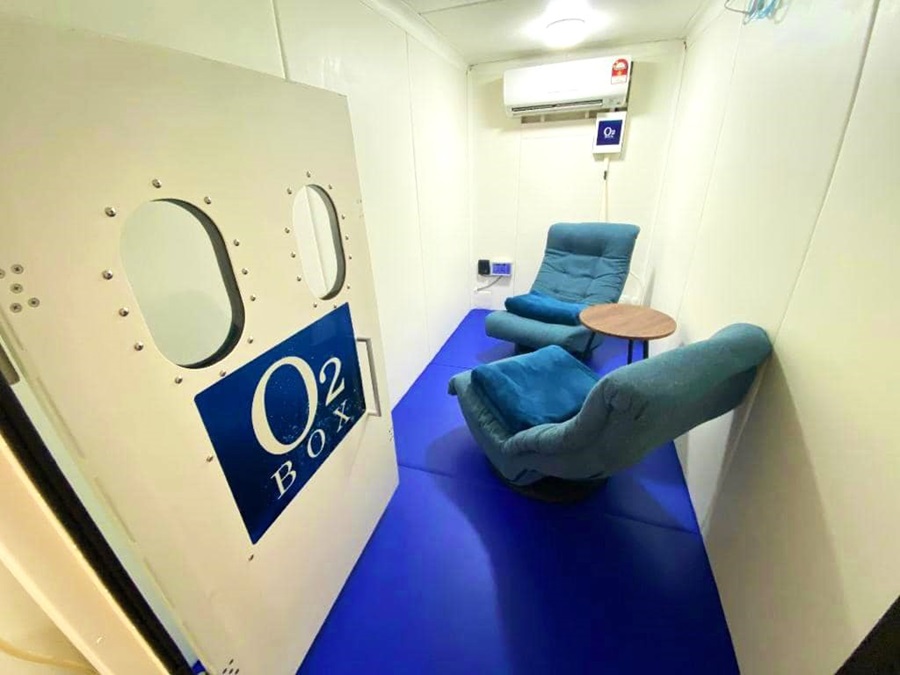
Type-A (for 1-2 pax) at Japanese Healing in Plaza Damas 3, Kuala Lumpur. | Photo by Japanese Healing / NHA File Photo
If you are curious about how the Japanese Healing team can get you started on your journey of feeling better, visit www.japanese-healing.com for more information. To book a session at their outlet in Plaza Damas 3, Kuala Lumpur, Malaysia, contact +6012 656 1388 or write to [email protected].
If you are considering HBOT for health issues, it is crucial to consult with a healthcare professional to discuss potential benefits and risks based on your circumstances.
Japanese Healing @ PUBLIKA
D1-G4-01 , Solaris Dutamas , No.1,
Jalan Dutamas 1, 50480, Kuala Lumpur
Japanese Healing @ SRI HARTAMAS
B1-03, 1st Floor, Plaza Damas 3,
Jalan Sri Hartamas 1, 50480 Kuala Lumpur.