


Across Asia’s rapidly evolving wellness and healthcare markets, facility owners and investors are turning to Hyperbaric Oxygen Therapy (HBOT) chambers as a proven, high-margin addition to existing operations. Once limited to hospital settings and professional sports rehab, HBOT is now gaining commercial traction in diverse environments, from maternity centres and elder care homes to sports clubs and even some high-end spas. For those operators looking to differentiate their offerings and generate new revenue streams, HBOT represents a clear path to both medical innovation and business growth.
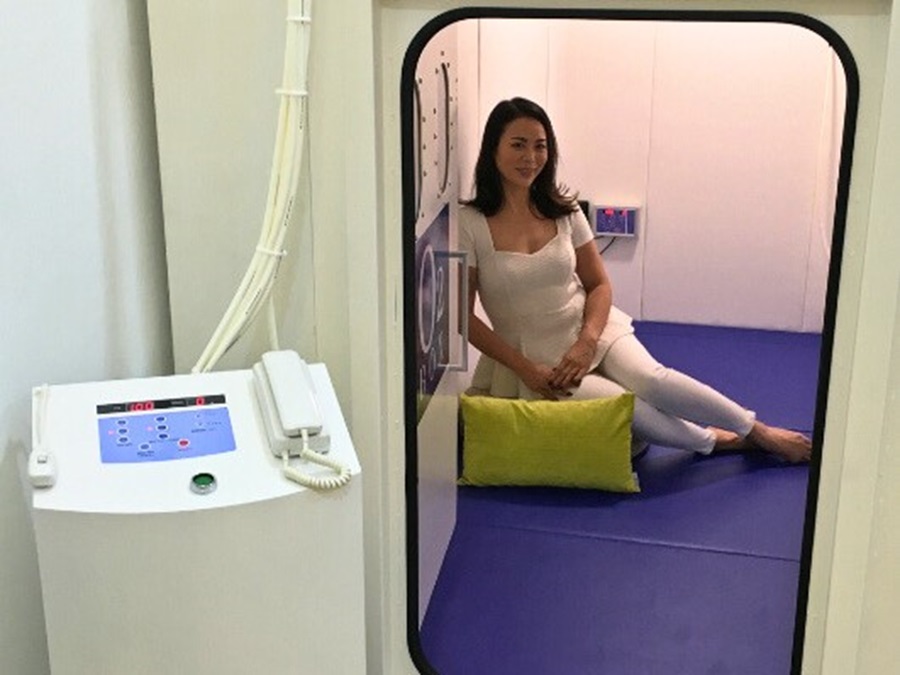
The financial case for HBOT is compelling. According to data from the Journal of Contemporary Wellness Management, facilities that integrate HBOT into their service offerings report a 15 to 25 percent increase in annual revenue within the first year of operation. Additionally, client satisfaction metrics jump by an average of 22 percent, a key driver for repeat business and word-of-mouth growth in what has become a highly competitive wellness market.
“Breathing life into wellness isn’t just a slogan, it’s a critical business strategy,” says Sayaka Misumi, the head of Japanese Healing. “For facility owners, it’s an investment that delivers quantifiable results in both patient outcomes and bottom-line growth.”
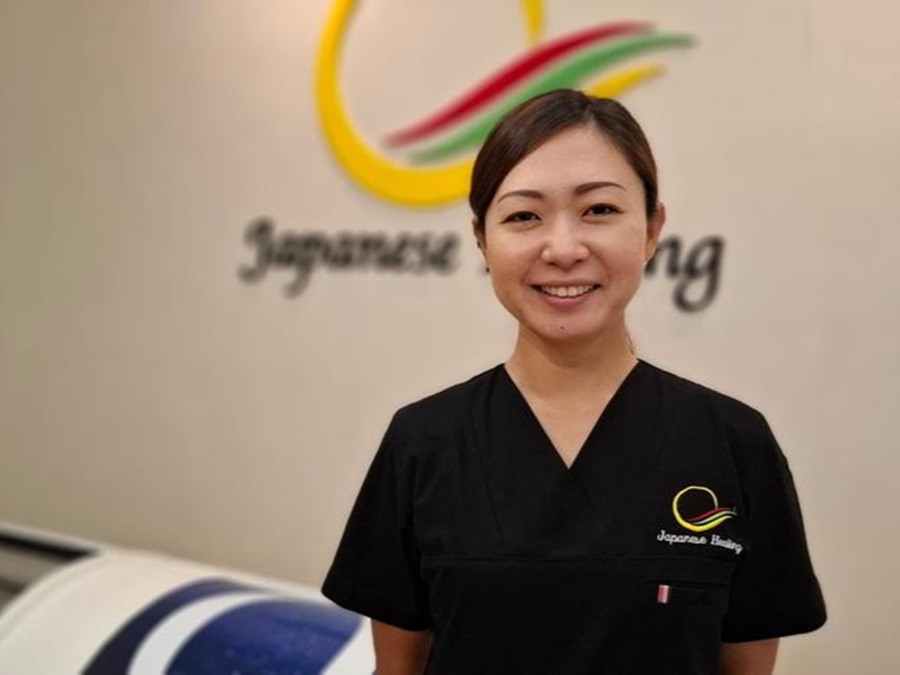
“As Asia’s wellness economy continues to scale, early adopters of HBOT technology are positioning themselves to lead in a marketplace that increasingly rewards innovation, differentiation, and measurable impact”. Explained Sayaka who has installed multiple HBOT chambers in existing facilities.
Maternity recovery centres can be among the first to capitalize on the business potential of HBOT. With postpartum healing a key concern for high-net-worth families, HBOT sessions which are priced between USD80 and USD150, can be packaged into premium recovery offerings. Enhanced healing, reduced inflammation, and encouraging better sleep outcomes drive client satisfaction. From a business perspective centres benefit from increased package uptake and customer retention. The chambers require minimal staff oversight, making them a low-maintenance, high-reward asset within these boutique healthcare environments.
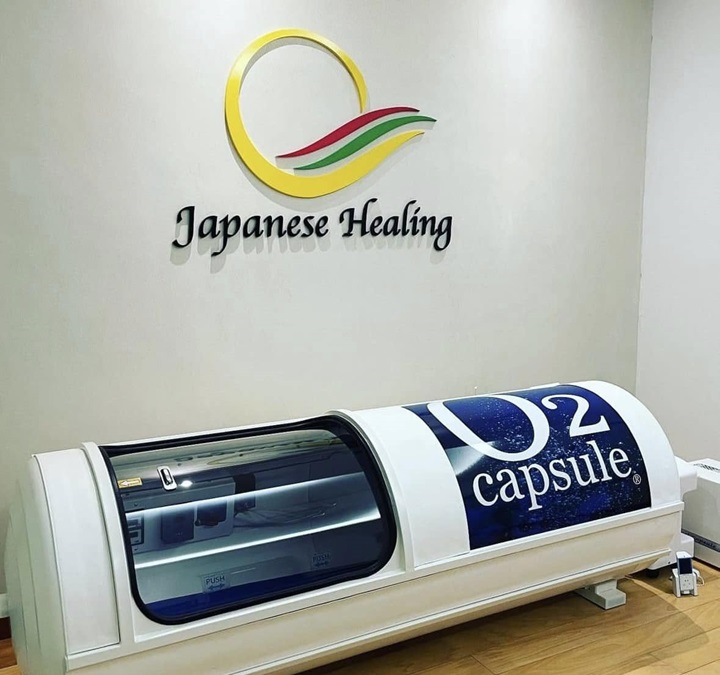
In elder care homes, HBOT offers a strategic response to aging populations and rising demand for non-invasive therapies. Facility owners report improved resident wellness especially in memory, energy levels, and mobility after integrating oxygen therapy into weekly care plans. This translates into measurable business gains, such as increased occupancy, extended average stays, and stronger family engagement. Many operators use HBOT to position their facilities at a premium tier, justifying higher monthly fees and reinforcing a reputation for forward-thinking, resident-focus care.
Sports and lifestyle facilities are also unlocking new profitability through HBOT. With the surge in paddle and pickleball clubs across Asia, owners are converting these active hubs into full-spectrum recovery and performance centres. HBOT which reduces muscle fatigue and accelerates recovery, appeals to both amateur athletes and fitness-conscious professionals.
High-end spas and wellness clinics are perhaps the most natural fit for HBOT integration, offering the therapy as a value-add that complements existing services such as massage, acupressure, and aromatherapy. The result is a deeper, longer-lasting relaxation experience for clients and a noticeable increase in return visits. Premium clinics in Singapore, Jakarta, and Bangkok report up to a 35 percent increase in average spend when HBOT is bundled with traditional treatments, giving owners a substantial edge in an increasingly saturated luxury wellness market. The Japanese Healing Centre in Plaza Damas is one such facility that has integrated massage in HBOT therapy.
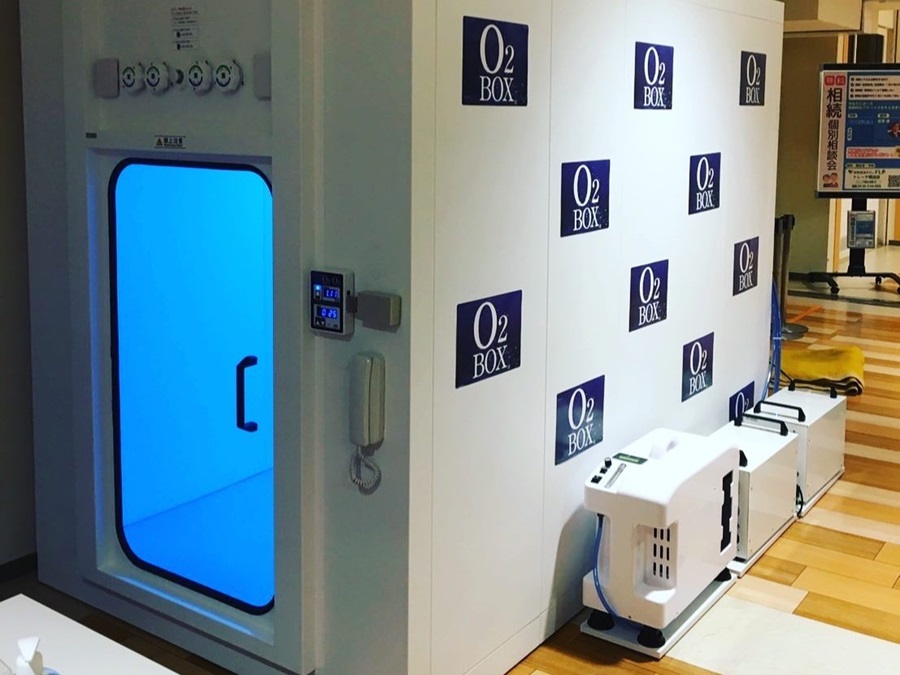
Type-C (for 4-5pax) at Japanese Healing in Plaza Damas 3, Kuala Lumpur. | Photo by Japanese Healing / NHA File Photo
For investors and operators, HBOT chambers represent more than just a health upgrade, they are a business multiplier. These chambers typically recoup their cost within 12 to 18 months, depending on session pricing and utilization rates. With modular setups available, the technology is relatively easy to install, requires minimal staffing, and integrates well into a range of service models. Most importantly, it aligns with consumer demand for wellness solutions that are both evidence-based and experience-enhancing.
If you are curious about how the Japanese Healing team can get you started on your journey of having your customers feeling better, visit www.japanese-healing.com for more information. To book a session or to arrange a discussion with the team at Plaza Damas 3 in Kuala Lumpur, Malaysia, contact +6012 656 1388 or write to [email protected].
If you are considering HBOT for health issues, it is crucial to consult with a healthcare professional to discuss potential benefits and risks based on your individual circumstances.