


Paddleball and pickleball have become two of the fastest-growing sports across Asia, drawing in people of all ages and fitness levels. Their social nature, easy-to-learn rules, and lower equipment costs make them especially popular among working professionals looking for an active outlet. But while these racquet sports may appear low-impact, they’re not without risk, particularly for so-called “weekend warriors,” who spend their weekdays seated at desks before hitting the courts with full force.
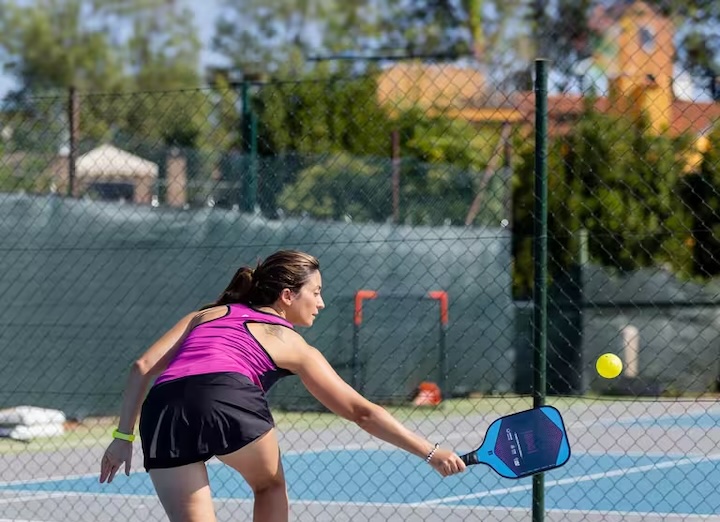
Recent research shows that injuries in both paddleball and pickleball are more common than most casual players realise. A 2023 review of over 2,000 paddle players found injury rates as high as 8 injuries per 1,000 match hours, with prevalence estimates ranging from 40% to a staggering 90% depending on the population studied. The elbow is the most frequently injured joint, often due to lateral epicondylitis, followed by the knee, shoulder, and lower back. Ankle sprains are also common, along with tendon overload and bursitis in the upper limbs.
Pickleball, which has seen a meteoric rise in older age groups, presents its own injury challenges. A five-year review of emergency department cases in the U.S. linked 618 injuries to pickleball, with soft tissue strains and ruptures accounting for nearly half of those. Another large-scale study found that 69% of pickleball players sustained at least one injury over a 12-month period, with rotator cuff strains, calf pulls, and low back injuries among the top issues.
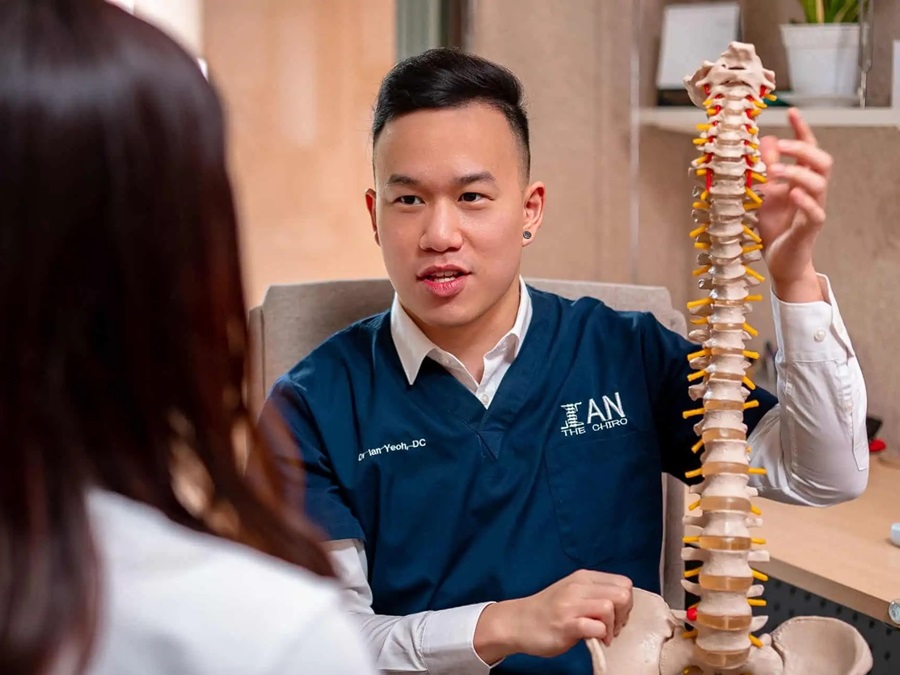
Dr Ian, Founder of “Ian the Chiro” says many of these injuries are entirely preventable, if people approached the sport more like athletes and less like desk workers blowing off steam. “I often see patients whose spine, hips and shoulders are stiff and weak from prolonged sitting,” he explains. “When they go out to play paddleball or pickleball on the weekend, the sudden force on joints and tendons is a recipe for injury.”
This sudden spike in physical activity is especially risky for the 30 plus crowd, who may not realise how much their body has deconditioned from sedentary work habits. And the risks are equal across genders: while some studies suggest women may be more prone to ligament sprains due to joint laxity, and men may suffer more tendon overload, both groups face similar injury rates when entering the sport without adequate preparation.
One of the most overlooked problems is that many weekend players don’t warm up properly. They arrive at the court, pick up a paddle, and jump into a high-intensity game with friends or colleagues. Dr Ian adds, “Weekend warriors usually lack the proper warm-up, core conditioning and progressive load buildup. The body hasn’t adapted, so microtrauma accumulates quickly during a match.”
To avoid injury, players should gradually increase court time rather than going all in after a full week of inactivity. A solid warm-up that includes dynamic stretching, mobility drills, and light cardio can help prepare muscles and joints. Strength training that targets the core, hips, shoulders, and knees is also critical, as is good technique, poor footwork and swing mechanics are major contributors to overuse injuries. Wearing proper footwear and using an appropriate paddle weight also makes a difference, especially on hard court surfaces.
Despite these risks, both paddleball and pickleball offer fantastic health benefits, including improved cardiovascular fitness, mental wellbeing, and social connection. With the right preparation, both male and female athletes can enjoy these sports injury-free. For weekend warriors, the key is to treat your body like a full-time athlete, even if you only play part-time.
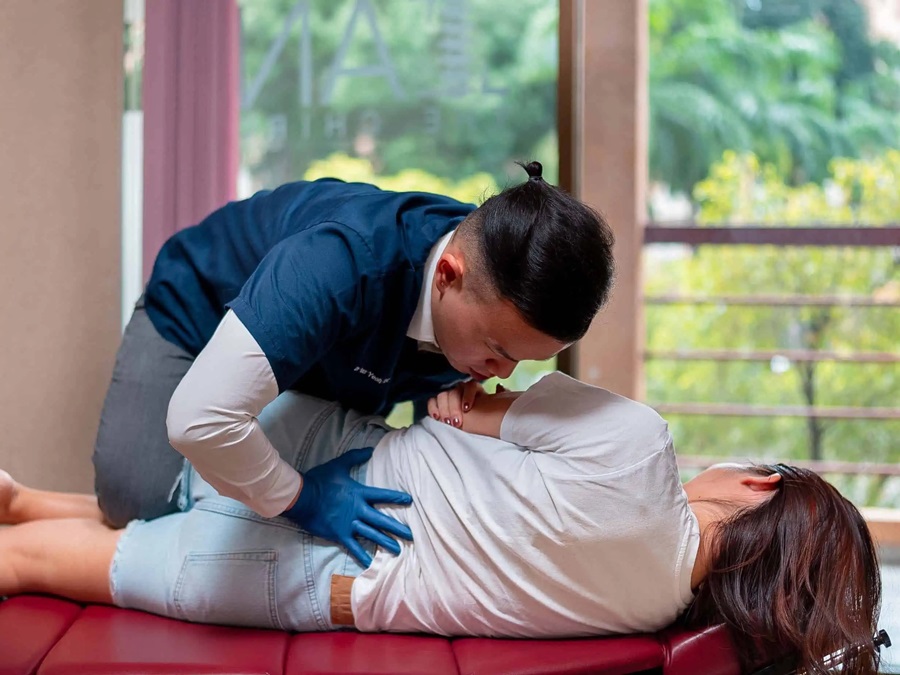
For those looking to build a more comprehensive recovery program spending some time speaking with a professional can yield results. Knowledge and personalization into an overall program is required to gain the best results. For more information about how the team at Ian the Chiro can assist visit www.ianthechiro.com