


January always brings a fresh wave of motivation. Gyms are fuller, training schedules are tighter, and athletes at every level are setting new goals for the year ahead. But while motivation is high, nutrition often becomes the make-or-break factor especially when fad diets and quick fixes start flooding social media feeds. In 2026, Malaysian athletes and active professionals are shifting their focus toward something far more sustainable: nutrition habits that actually support long-term performance.

Across Malaysia, gym memberships typically spike by 20 – 30 per cent in the first quarter of the year, according to regional fitness industry reports, with many returning athletes jumping straight back into intense training. The problem? Many also jump into restrictive diets at the same time. “We see this every January,” says Tania Lee Xu Yar, Co-founder of Sports Nutrition Academy (SNAc) Malaysia. “Athletes come in under-fuelled because they’re trying to ‘clean up’. Performance drops before training even has a chance to improve results on the scoreboard.”
Rather than cutting calories, SNAc experts are encouraging athletes to think about consistency, balance, and timing. Research shows that athletes who fuel adequately during pre-season experience up to 15 per cent better training adaptations compared to those in a calorie deficit. That means stronger sessions, faster recovery, and fewer injuries all without extreme rules around food.
One of the biggest resolutions SNAC practitioners are seeing this year is a move away from all-or-nothing eating. “Sustainable nutrition isn’t about perfection,” explains Tania who is a certified specialist in sports dietetics. “It’s about building habits you can maintain during busy workdays, travel, and competition season. If a plan only works for two weeks, it’s not a plan, it’s a setback.”
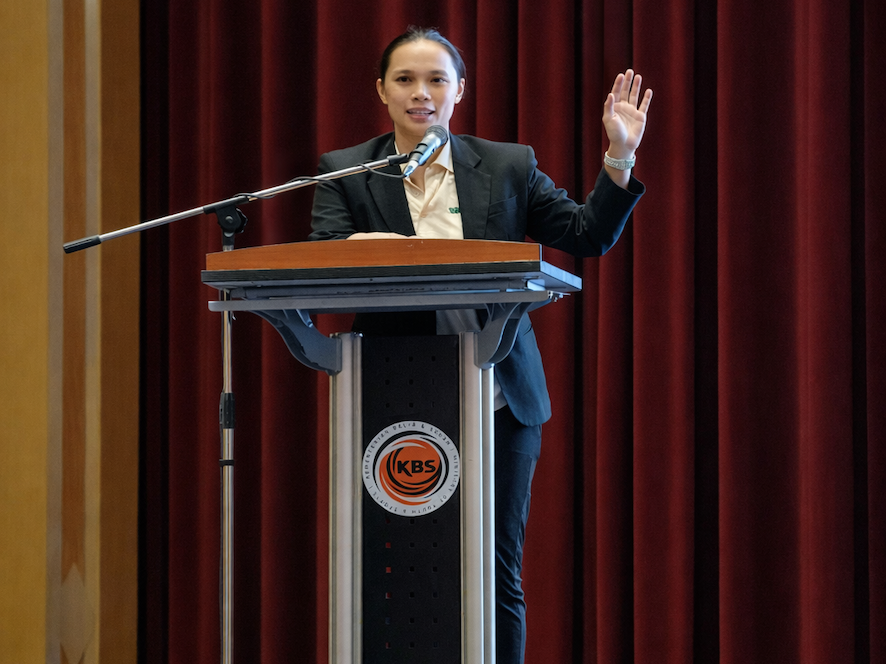
With the Malaysia Games (SUKMA) now just eight months away, this is the moment for action. Parents, coaches and sporting associations must take deliberate steps to lock in the foundations that will shape performance outcomes later in the year. That starts with prioritising nutrition screening, i.e. conducting proper body composition and dietary assessments with accredited professionals, nutrition education and consultation to closely observing how fuelling aligns with real training and competition demands. Associations should ensure their athletes and coaches working hand in hand with sports nutrition professionals to deliver truly personalised strategies, not one-size-fits-all plans.
Equally important is committing to yearly nutrition periodisation and continuous education for athletes, parents and coaches alike, reinforcing that nutrition is not a secondary consideration, but a core performance responsibility that directly influences readiness, resilience and results. This mindset shift is especially relevant for active professionals balancing long work hours with training. A 2024 Southeast Asia health survey found that over 60 per cent of working adults who exercise regularly skip meals at least twice a week due to time constraints. Skipping meals, however, is closely linked to fatigue, muscle loss, and slower recovery all of which directly impact performance.
SNAc Malaysia’s approach in 2026 focuses on educating and empowering young athletes and parents, personalised strategies rather than generic meal plans. Instead of prescribing strict diets, nutritionists work with athletes to optimise energy intake, improve protein distribution across the day, and build smarter pre- and post-training routines. “Two athletes can train the same way and eat completely differently and both be correct,” notes Tania who brings a wealth of experience having worked with elite-level national athletes who have competed in the SEA Games and Olympics. “That’s why individual assessment matters.”
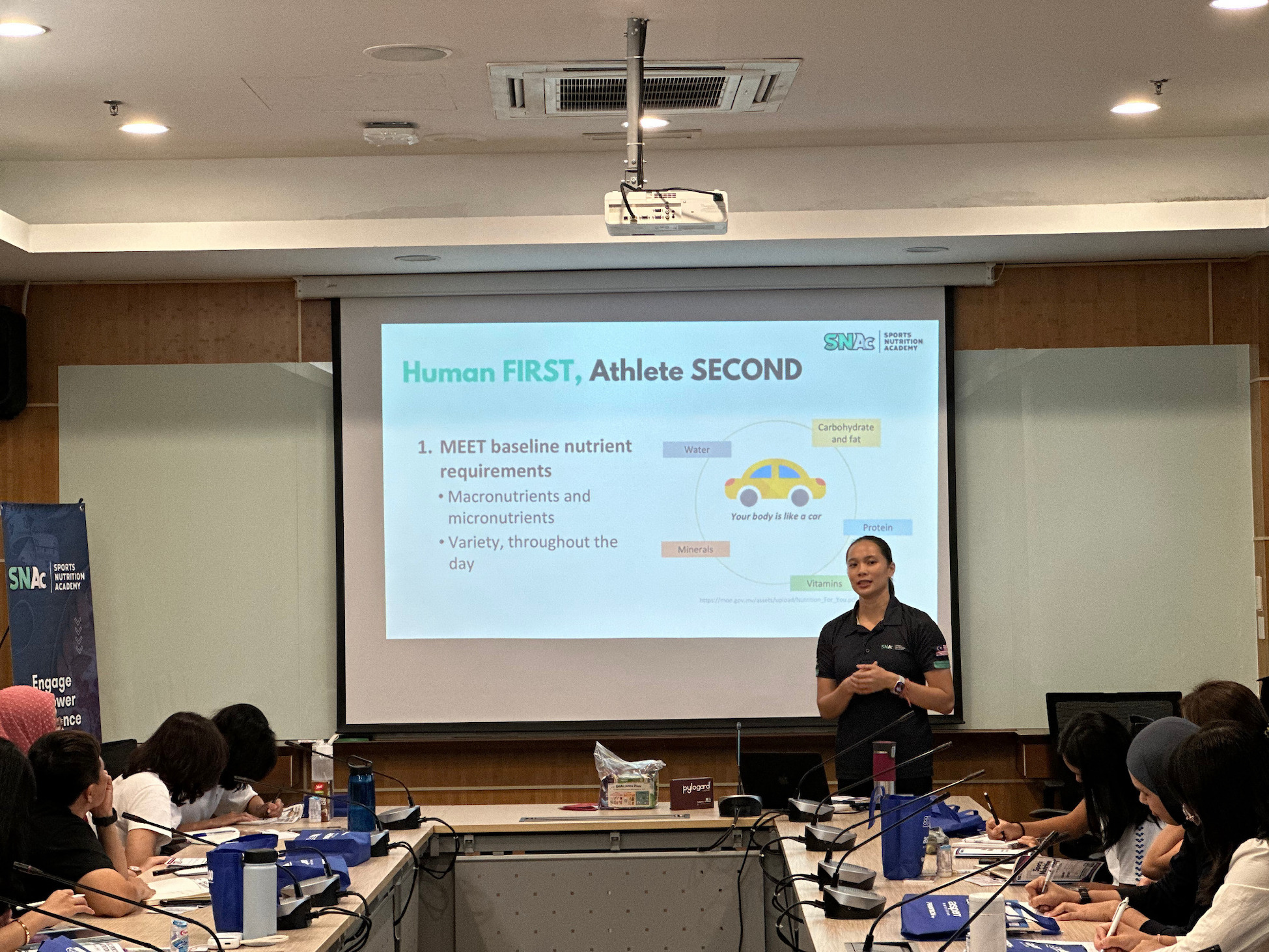
Another growing resolution among Malaysian athletes is learning how to spot fad diets before they cause damage. Youth athletes in weight category sports (i.e. judo, karate, muay thai, etc.), aesthetic sports (i.e. gymnastics, artistic swimming, dancesport, etc.) and endurance sports (crosscountry running, marathon, triathlon, etc.) are at higher risks of dangerously following these fad diets. Studies consistently show that athletes following extreme diets are at higher risk of injury and burnout within three months.
As the year begins, the message from the team at SNAc Malaysia is clear: progress doesn’t come from restriction, but from smarter fuelling. “Your nutrition should support your life, not control it,” concluded Tania with a smile “When athletes fuel properly, they train better, recover faster, and actually enjoy the process.”
For athletes and active professionals stepping back into training this January, the most powerful resolution may not be eating less but eating better, with guidance that lasts well beyond the New Year.
The Sports Nutrition Academy or as it is known in sporting circles SNAc serves as a resource hub for athletes, coaches, sport scientists, and sport enthusiasts who are interested to further enhance their sport performance through nutrition.
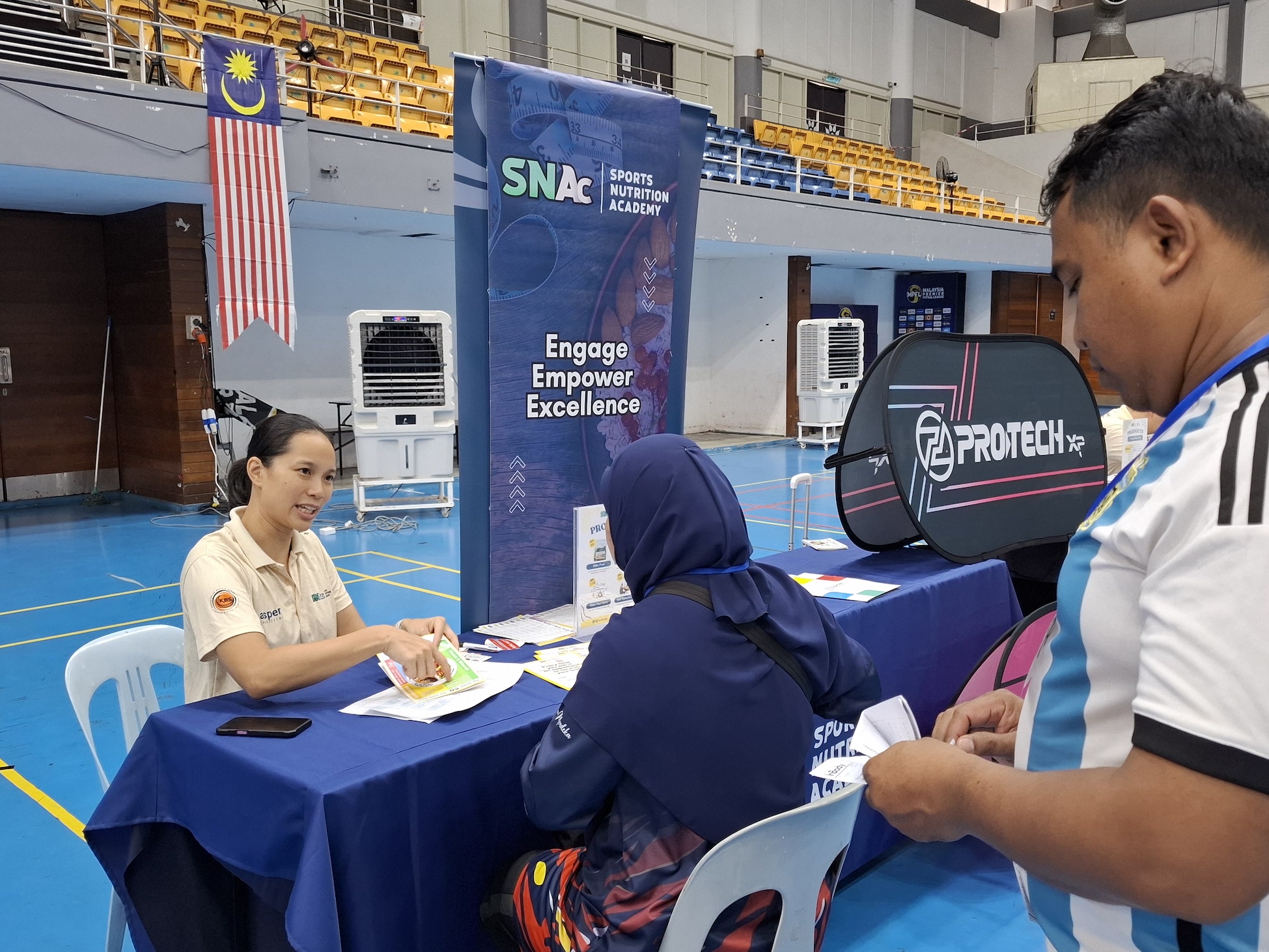
Co-founded by 3 passionate and enthusiastic sports nutritionists and dieticians who had worked with elite-level national athletes at the Malaysian National Sports Institute. SNAc specialised in sports nutrition helping athletes maximise their exercise goals with evidence-based nutrition knowledge while optimising health.
For more information about Sports Nutrition Academy (SNAc) Malaysia can assist your sporting goals visit www.snac.my
Source: Sports Nutrition Academy (SNAc) Malaysia