


Against all odds, Malaysia successfully hosted the Asian Under-23 Fencing Championship 2025 in Kuala Lumpur from 22 to 26 October, stepping in with less than two months’ notice after a series of host nation withdrawals.
The annual tournament, sanctioned by the Fencing Confederation of Asia (FCA), saw five days of intense competition among emerging fencers from across the region. Despite the tight turnaround, the Malaysian Fencing Federation (MFF) delivered a well-organised championship, drawing praise from athletes and officials alike.
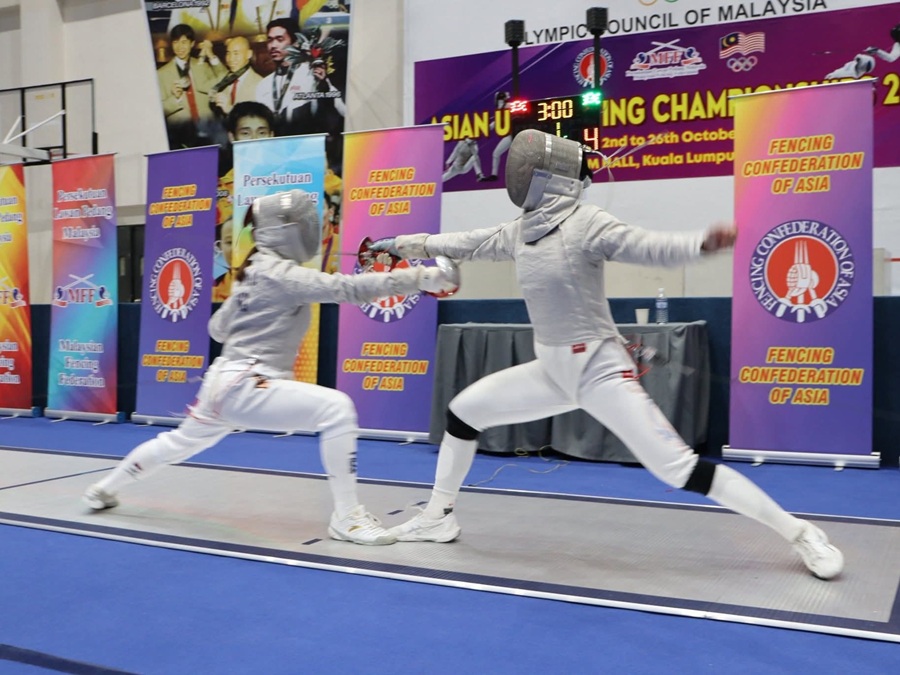
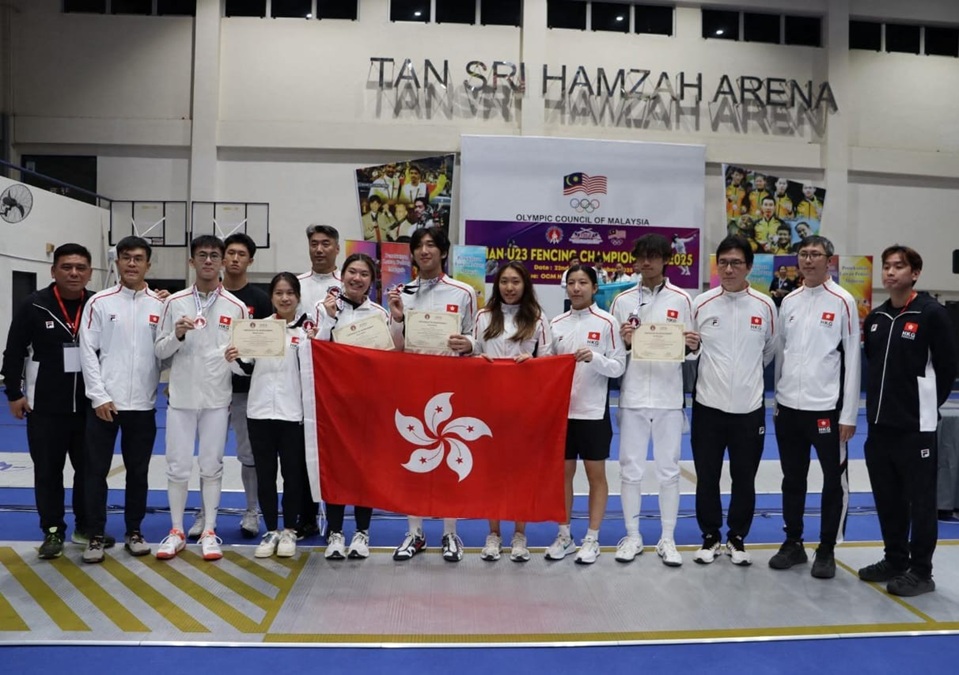
“I’m very, very happy that we were able to organise the Asian Under-23 Fencing Championship here in Kuala Lumpur, especially after the tournament’s one-year hiatus,” said Rusni Abu Hassan, president of the Malaysian Fencing Federation. “This is the first FCA tournament of this scale hosted by Malaysia since 2005 in Kota Kinabalu, and it’s a proud moment for all of us.”
Originally slated to be held in Iraq last year, the championship was cancelled due to geopolitical instability. Hong Kong was next in line to host the 2025 edition, but later withdrew, followed by the Philippines. With the tournament already on the FCA’s official calendar, Malaysia agreed in August to take on the challenge.
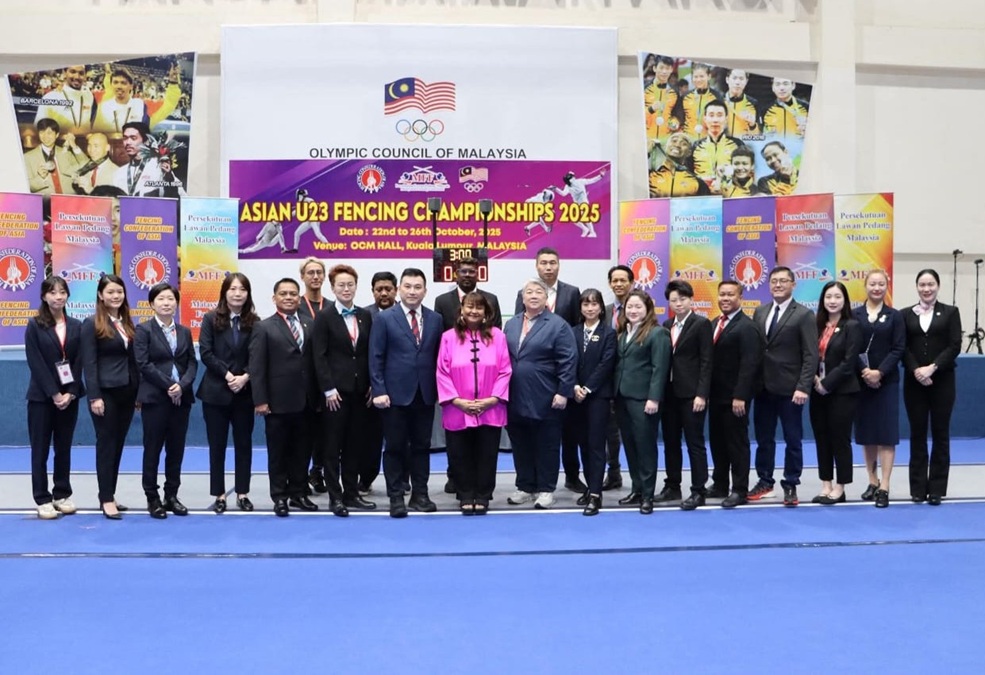
“It wasn’t easy. We had less than two months to secure a venue and raise funds,” Rusni shared. “Thankfully, the Olympic Council of Malaysia president, Tan Sri Dato’ Sri Mohamad Norza Zakaria, gave us strong support by providing the venue and partial funding. I’m also grateful to FCA president H.H. Engr. Sheikh Salem Sultan AlQasimi for entrusting me with this year’s Championship, and my MFF team who worked tirelessly to make this happen.”

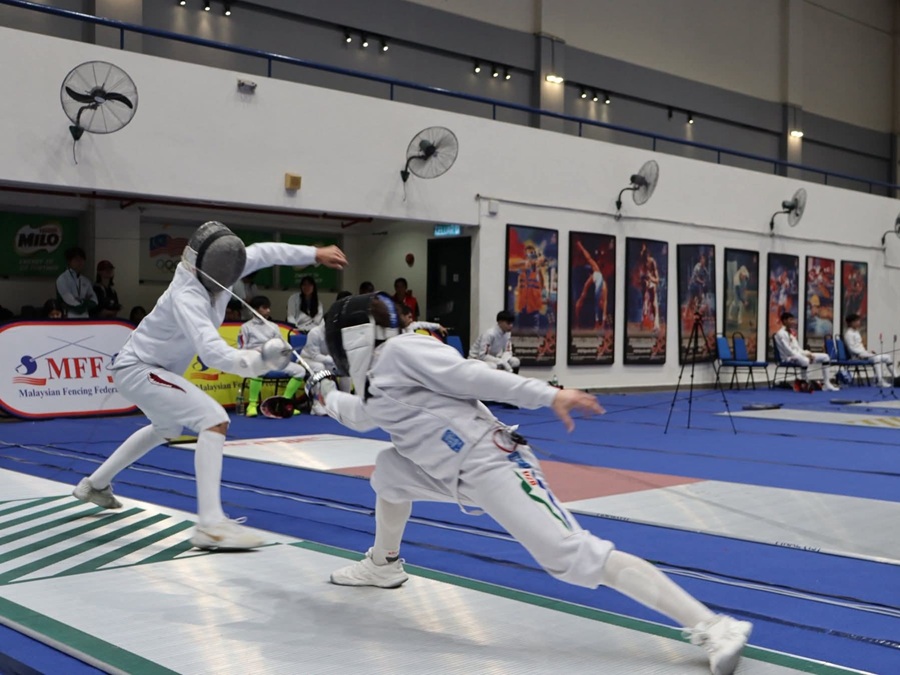
High drama and regional talent on display
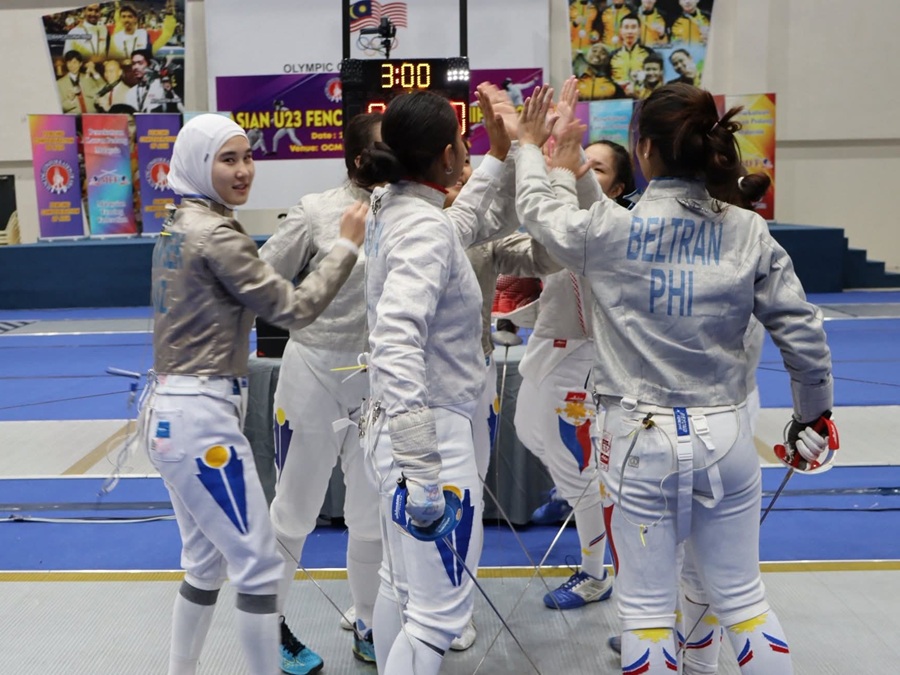
The tournament featured 191 athletes from 18 countries, including fencing powerhouses Hong Kong, Kazakhstan, Uzbekistan, Malaysia, and the Philippines.
While Hong Kong dominated the overall medal tally with 10 golds, five silvers and five bronzes, Kazakhstan and Uzbekistan also struck gold. One of the most thrilling matches came in the men’s sabre team final, where Kazakhstan’s Nurmukhammed Zhailybay clinched victory 45-44 over Hong Kong’s Hugo Ho Pak Lam, after several video referee reviews – showcasing both the competitiveness and precision of the sport.
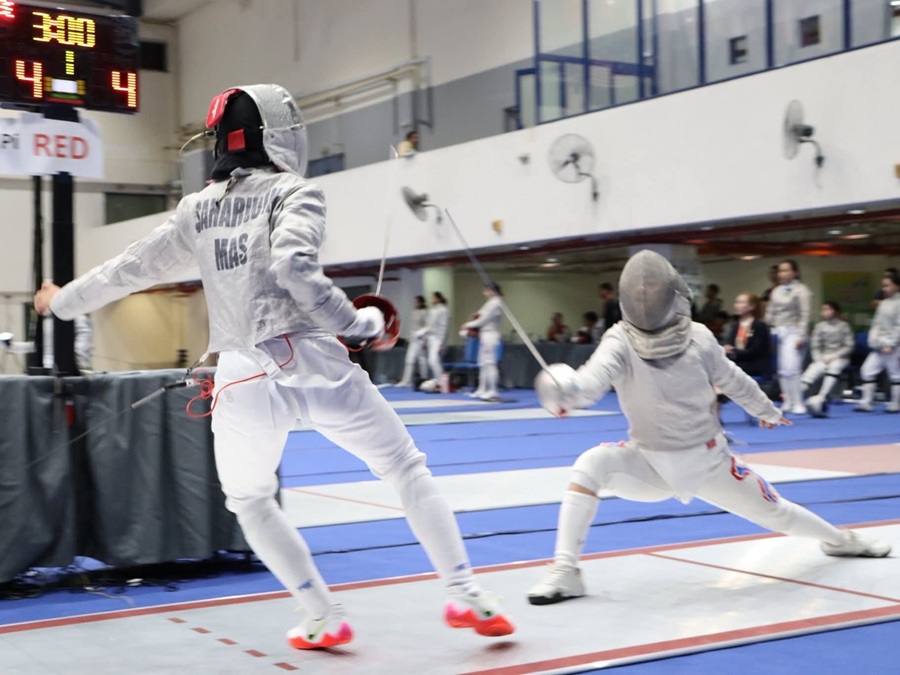
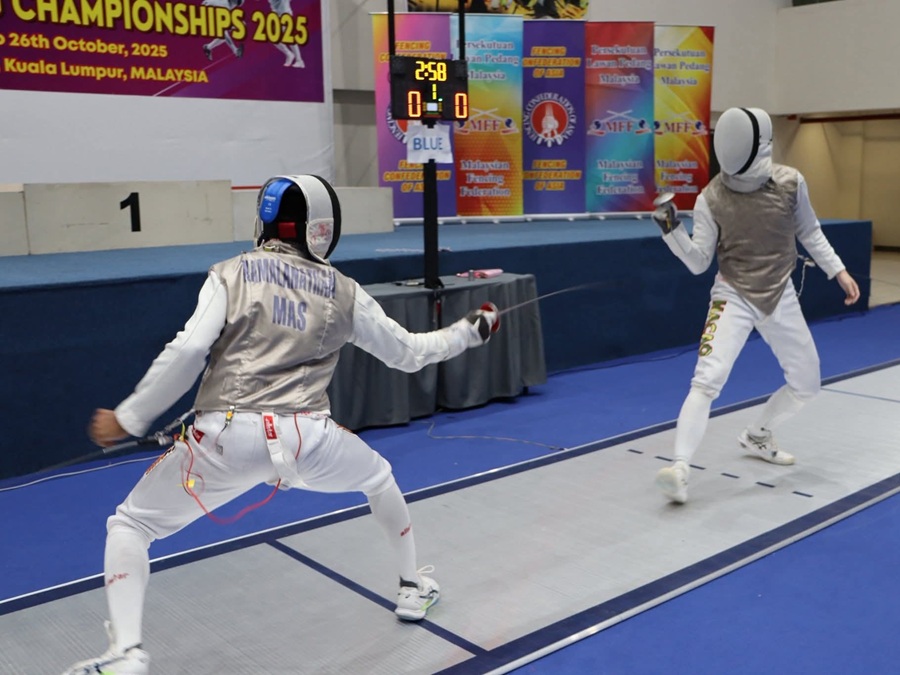
For host Malaysia, the event provided valuable international exposure. The national contingent earned a bronze medal in the Women’s Épée on the final day, to the delight of the home crowd.
“This is a building tournament. Not all victories are measured by standing on the podium,” one Malaysian coach said after the final team events. “We’re benchmarking our athletes against the best in Asia. Knowing where others stand in the U23 category helps us raise our game.”
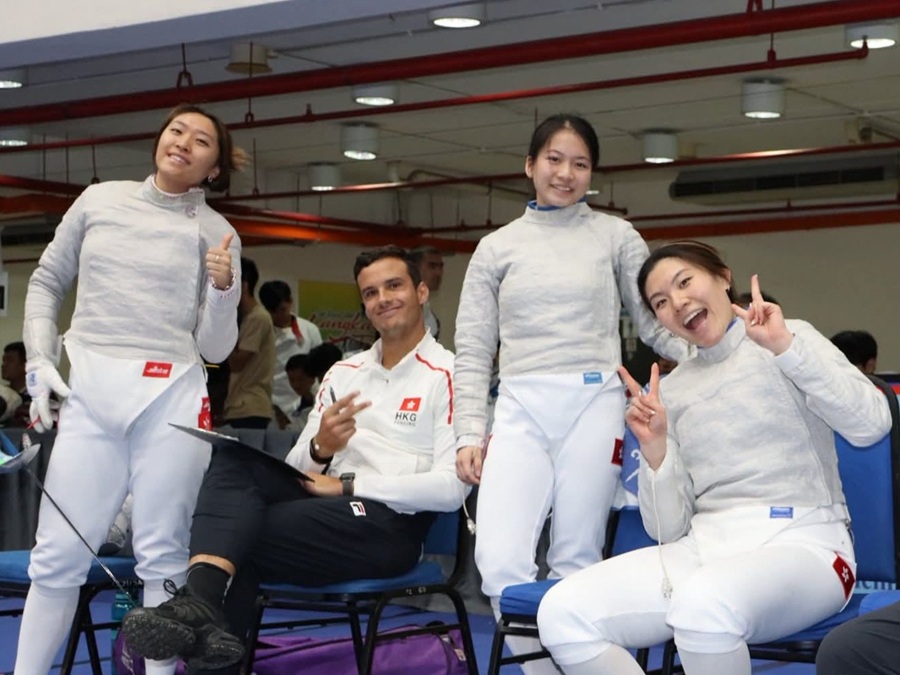
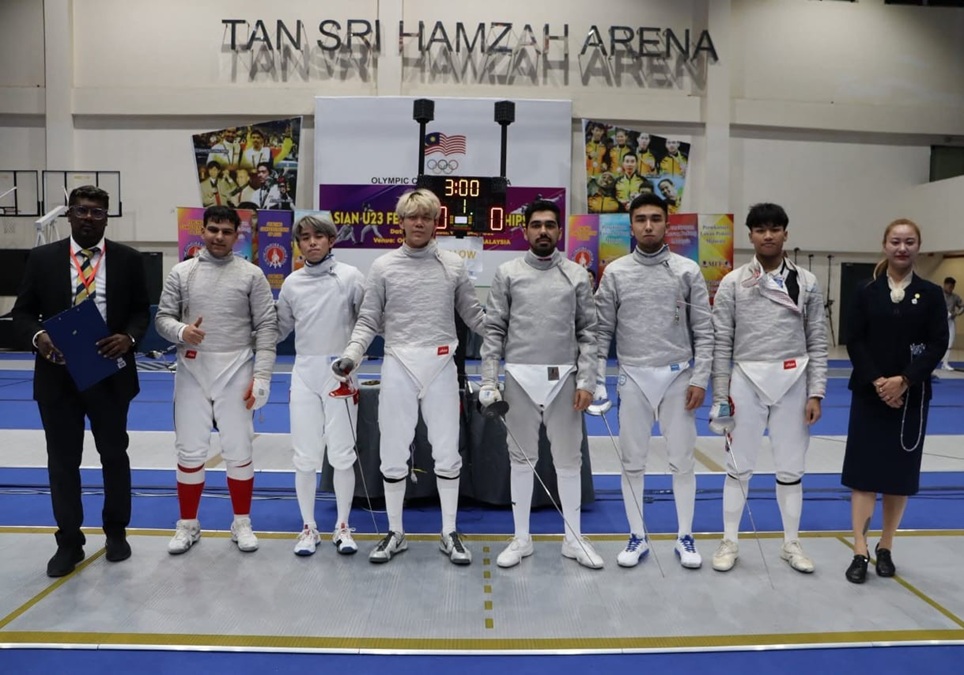
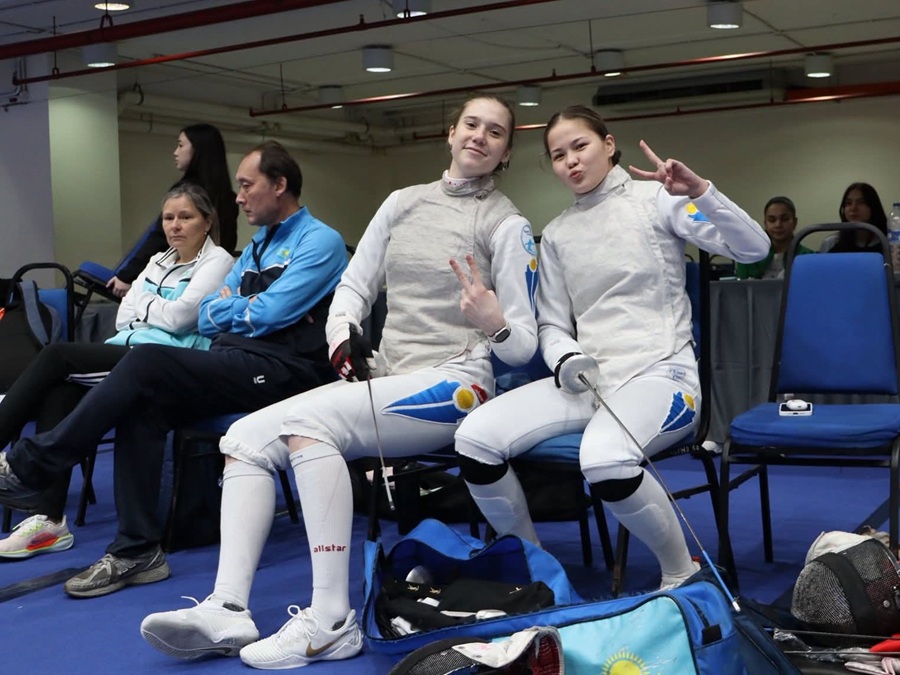
The successful hosting underscores Malaysia’s growing stature as a regional hub for fencing. With strong air connectivity, accessible accommodation, and capable event management, Kuala Lumpur is increasingly seen as a viable venue for continental tournaments.
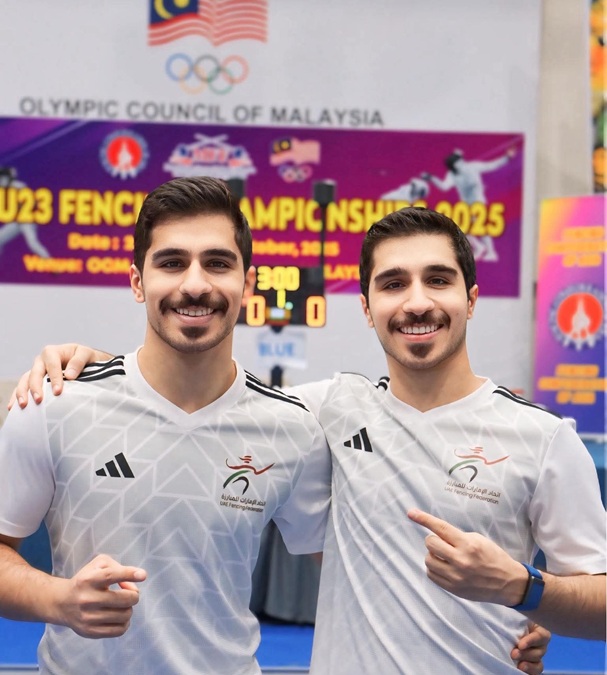
“This championship has shown that Malaysia can deliver on short notice,” Rusni said. “It also shows the strength of our fencing community, from volunteers to officials, who came together to make it happen. The experience will only make us stronger moving forward.”