


In Malaysia, several studies have reported worrying levels of psychological distress in adults, with some research during the COVID-19 years finding stress symptoms in roughly a third to almost half of surveyed adults in certain states. For many men, that stress quietly builds up in the body as muscle tension, reduced joint mobility and a higher chance of minor injuries that never fully heal.
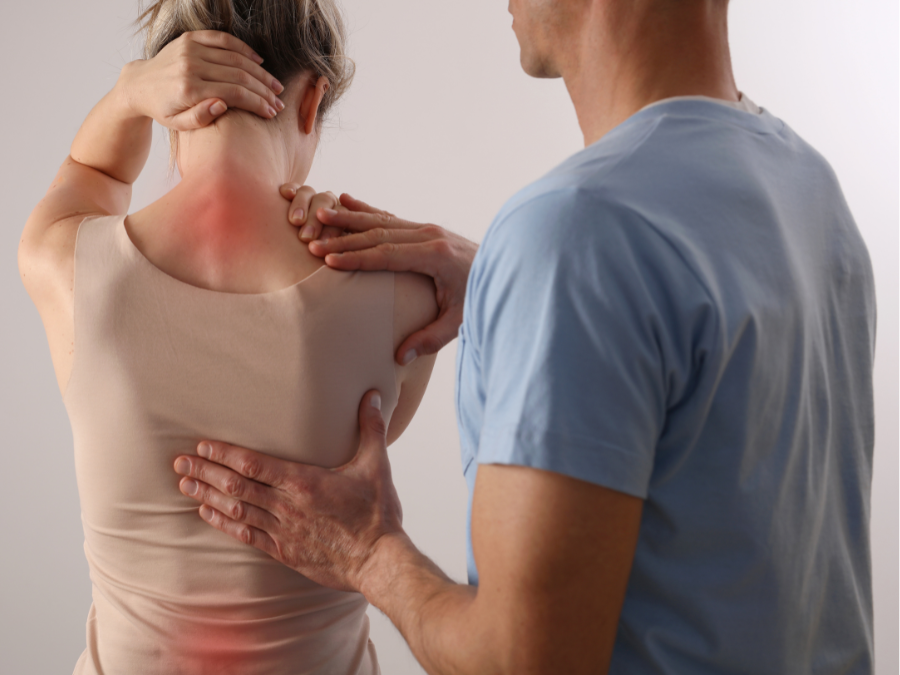
Chiropractors commonly see this pattern. Chronic stress contributes to tightened muscles, subtle joint restrictions and postural imbalances. Over time, these small mechanical issues change how the body moves. Some clinical studies and chiropractic reports have found that after targeted spinal and joint adjustments, participants show measurable gains in joint mobility, with average improvements around 10 to 11 percent in key areas such as the hips and shoulders in certain groups. Although more large-scale research is needed, these changes can be meaningful for active men who rely on smooth hip and shoulder movement for sport.
“For a lot of my male patients, stress is the hidden factor they never connect to their body stiffness,” says Dr. Ian Yeoh, better known as Dr. Ian the Chiro, a chiropractor based in Cheras, Kuala Lumpur. “They come in complaining of tight backs, sore hips or feeling ‘old’ on court. When we assess them, we often find restricted joints and overloaded muscles that have been building up over months of stress and sitting.”
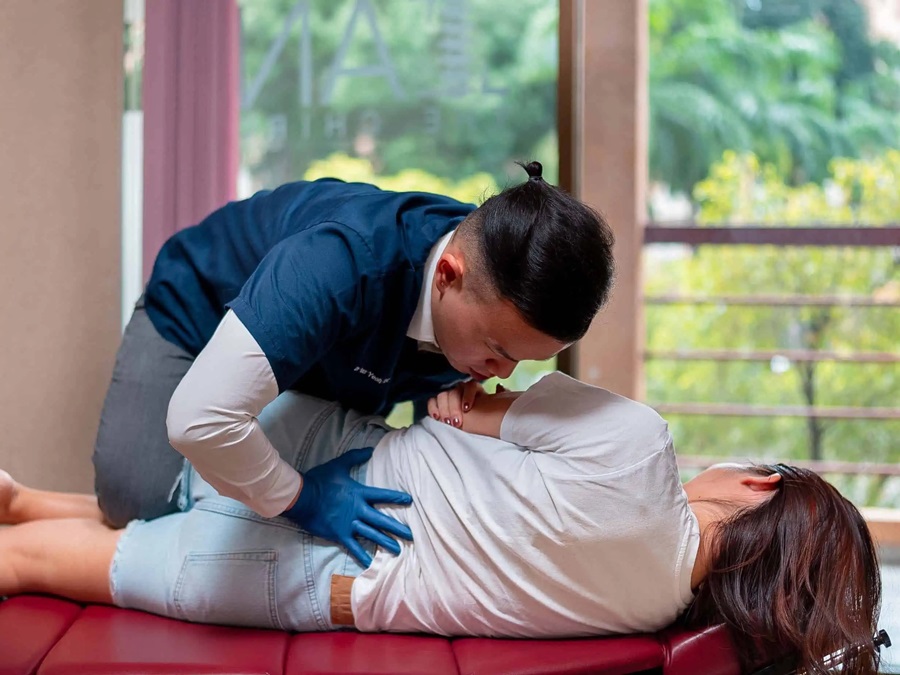
Dr. Ian explains that when joints lose a bit of motion, the body compensates elsewhere. That compensation can overload certain muscles or ligaments, making sprains and overuse problems more likely, even in recreational sports. “Men often think pickleball or friendly badminton is ‘safe’, but if your hips are stiff, your thoracic spine barely rotates or your pelvis is out of balance, you can still tweak a knee, strain a shoulder or irritate your lower back,” he notes.
Beyond flexibility, some small but interesting studies have explored how chiropractic adjustments affect neuromuscular control. In one pilot trial, participants who received spinal adjustments showed about a 9 percent improvement in movement time, suggesting faster neuromuscular reactions immediately after care. Other recent reviews also report short-term changes in muscle activation and strength following high-velocity spinal manipulation. While this body of evidence is still developing, it supports what many athletes and weekend warriors describe anecdotally: after an adjustment, they feel more “switched on” and coordinated.
For sports like pickleball, where quick direction changes, lunges, rotations and overhead shots place repeated demands on the spine, hips and shoulders, this combination of better mobility and sharper neuromuscular response may help reduce the risk of sudden or repetitive-strain injuries, especially in already stressed bodies.
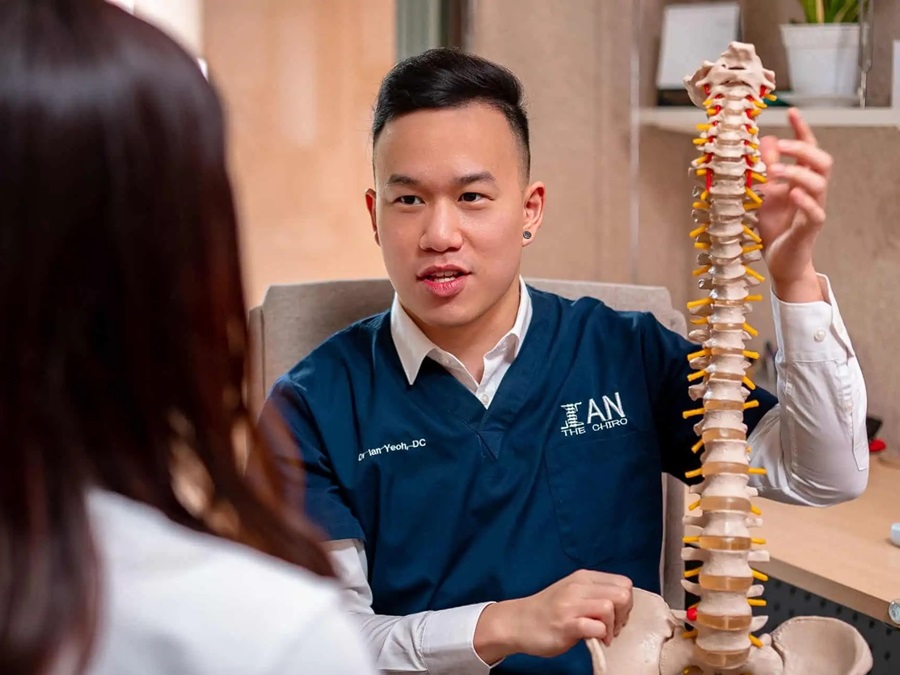
“In my clinic, injury prevention has become one of the main reasons men come in,” Dr. Ian says. “They want to keep playing without being out for weeks every time something flares. Regular chiropractic adjustments, combined with basic strength and mobility work, help restore balance so they can move more freely and stay in the game longer.”
Many patients also report indirect benefits that support stress management. By easing spinal restrictions and improving how the nervous system and muscles work together, some men notice better sleep, less muscle tension and faster recovery between training sessions. These factors, while subjective, are important building blocks of resilience for busy professionals who rely on sport as their main outlet.
As lifestyle pressures across Asia continue to rise, more men are turning to proactive, drug-free strategies to stay active and injury-free. Chiropractic care sits alongside exercise, good sleep and nutrition as one option for managing the physical load of stress on the body.
“It is not just about chasing pain away,” Dr. Ian reflects. “It is about helping men move better, feel more in control of their bodies and get back the confidence to do the sports they enjoy, without always worrying about the next strain.”
For men wondering whether chiropractic care could support their active lifestyle, more information about assessments, treatment options and home strategies is available on Dr. Ian’s website and blog at ianthechiro.com.