


Human Resources (HR) departments are stepping beyond traditional roles, increasingly becoming the first responders to internal crises, whether from leadership collapses or hostile takeovers.
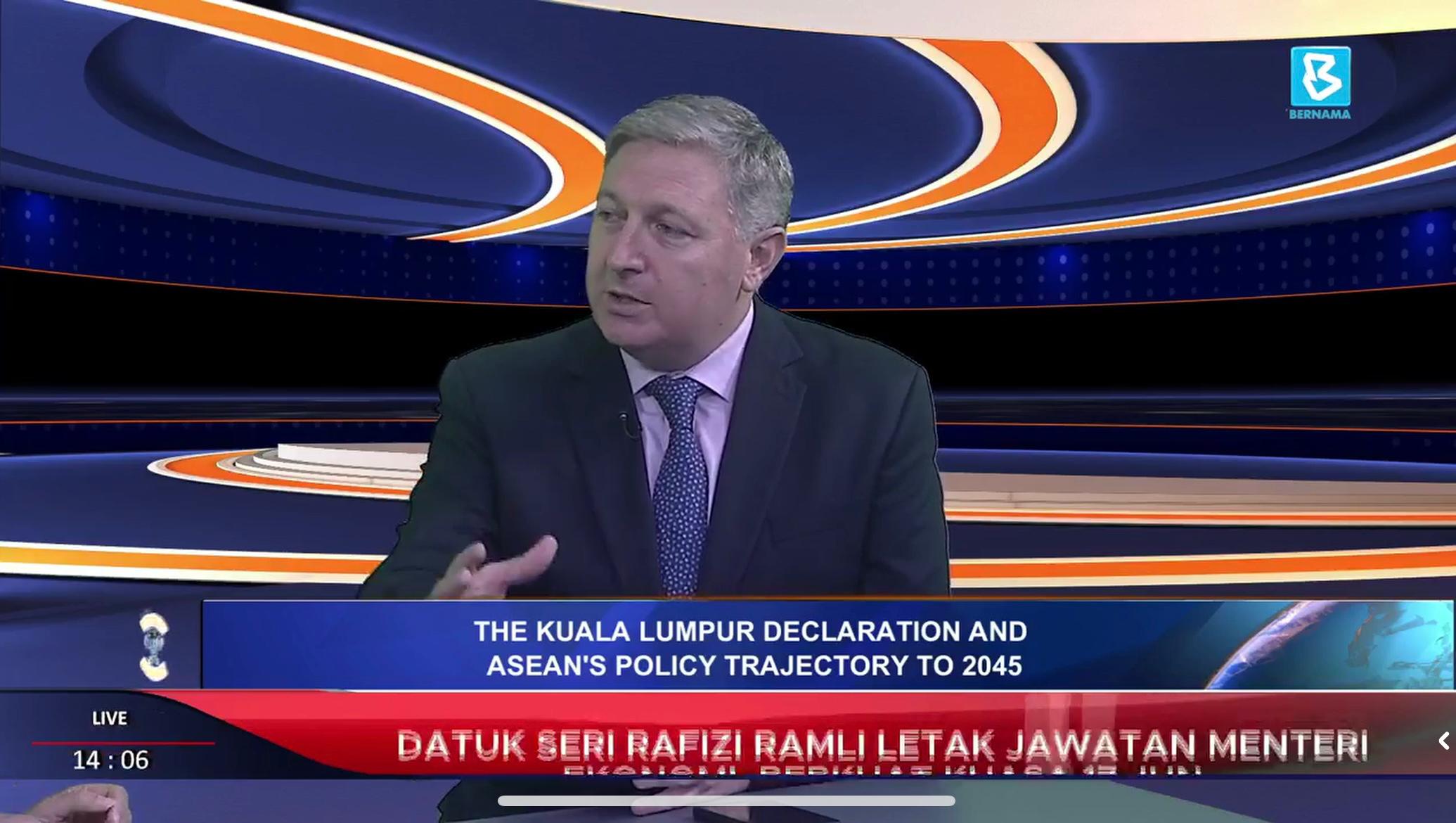
“In an age of reputational risk and heightened public scrutiny, HR departments aren’t just about recruitment and payroll anymore. They are a strategic function, the first to detect early signs of discontent, misconduct, or cultural decline within a company,” said Nordin Abdullah, founding chairman of the Malaysia Global Business Forum, during a recent leadership roundtable in Kuala Lumpur.
His comments come at a time when attrition rates across the Asia-Pacific region are sounding alarms. According to data from Deloitte’s 2024 Workforce Resilience Report, companies struggling with internal turbulence and unclear leadership vision report annual staff turnover as high as 22 per cent, significantly higher than the regional average of 14 per cent. Analysts note that such attrition not only disrupts operations but also leaves companies more vulnerable to external threats, including mergers and acquisitions driven by opportunistic competitors.
At one Malaysian mid-sized tech firm currently facing a hostile takeover attempt, the HR department has adopted a surprising, yet remarkably effective, internal communications strategy, rallying staff with a humorous but inspirational plan dubbed “Braveheart: Corporate Edition”.
Drawing inspiration from the legendary Scottish rebel William Wallace, the company’s internal memo opens with a frank and witty assessment: “Team, we’re facing a situation that might make even the most hardened HR professional break out in hives, a hostile takeover. But before you start updating your LinkedIn profiles, let me remind you of a man who knew a thing or two about overcoming impossible odds, William Wallace.”
The five-point plan includes uniting departments across the company, reminding colleagues that preserving their unique corporate culture and internal traditions, such as casual Fridays and office snacks, is as important as financial survival. Staff are urged to stay coordinated and take the initiative, scheduling key meetings on their own terms to maintain control over timelines and decisions.
Employees are also encouraged to embrace the company’s distinctive sense of humour and spirit, with rallying cries such as, “They may take our company, but they’ll never take our performance bonuses”, used to boost morale. Managers are encouraged to deploy strategic surprises, whether through unexpected product launches or quirky morale-boosting events that reinvigorate teams and throw off the opposition.
Leadership is being reframed not as a rigid structure, but as a source of daily inspiration. “Victory isn’t just possible, it’s practically a done deal,” the memo states, urging everyone to believe in the power of resilience, collaboration, and creativity.
Although light-hearted in tone, the initiative underscores a serious point. The HR team is reinforcing internal cohesion, reducing instability, and keeping the company engaged and energised through one of its most challenging periods. It’s a lesson that many other businesses could take to heart.
Nordin Abdullah, who is also the founder of the Crisis Management Centre, emphasised that HR must be central to any corporate crisis response. “In many crises, HR has the proximity to sense trouble before it reaches the C-suite. Whether it’s a harassment complaint, a whistleblower alert, or a sudden spike in resignations, HR must be empowered to act early.”
He added that boards and senior management must invest in HR through scenario-based training and better cross-functional crisis preparedness. “In the absence of a proactive HR strategy, the damage from internal instability can far outweigh the costs of the takeover itself.”
As the line between culture and risk continues to blur, companies that enable HR to lead from the front, not just support from behind, will be far better placed to weather today’s turbulent business environment.
As the memo concludes, “Every employee clocks in, but not every employee really works. Every company faces challenges, but not every company has the passion, creativity, and slightly worrying obsession with office snacks to overcome them. But we do.” And that, it seems, may make all the difference.
 To engage with the team at the Crisis Management Centre, visit www.CrisisManagementCentre.com.