


What is new or different about Awakening the Advocate compared to your previous works?
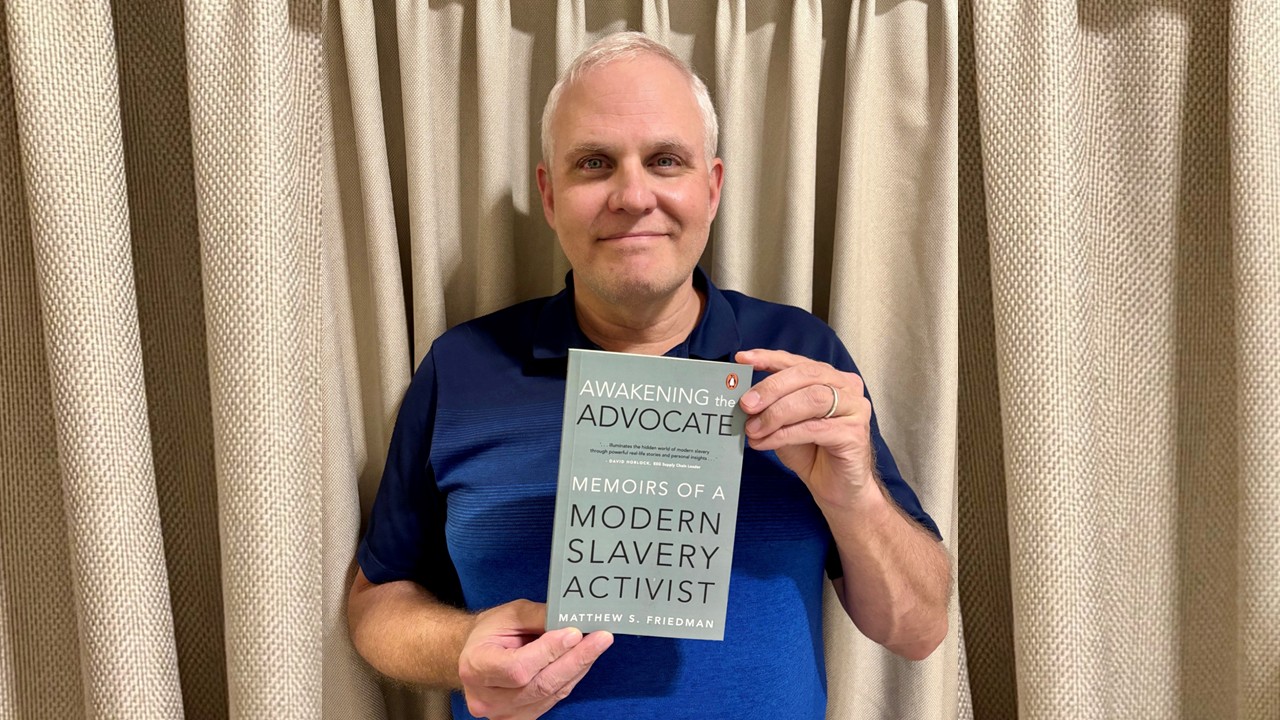
Awakening the Advocate is a sequel to my earlier work, Where Were You: A Profile of Modern Slavery. In this new book, I share personal stories that I hope will inspire others to recognize that even an average person can make a difference in the world. My journey from a once-shy boy to someone passionate about fighting human trafficking is not just about me; it’s about the potential within each of us to create positive change. I truly wish for this book to encourage readers to take action and to highlight the ongoing fight for justice, as well as the possibility of a brighter future for all.
Over the course of your journey as an advocate, what key moment or experience has shaped your perspective the most?
As a public health officer doing health checks, upon encountering a young Nepalese trafficking victim in a brothel, I was confronted with her desperate plea to be saved. Despite my efforts, the police couldn’t help her, and she vanished before we returned. This traumatic experience haunted me, forcing me to reflect on my motivations in public service. I realized my work had become self-serving rather than focused on those in need. This moment ignited a passion within me, compelling me to step up for the vulnerable. I now tell the story of “Amulya,” a name I gave her, to inspire others to fight for the dignity of women and girls.
Can you tell us more about The Mekong Club and the role it plays in combating modern slavery?
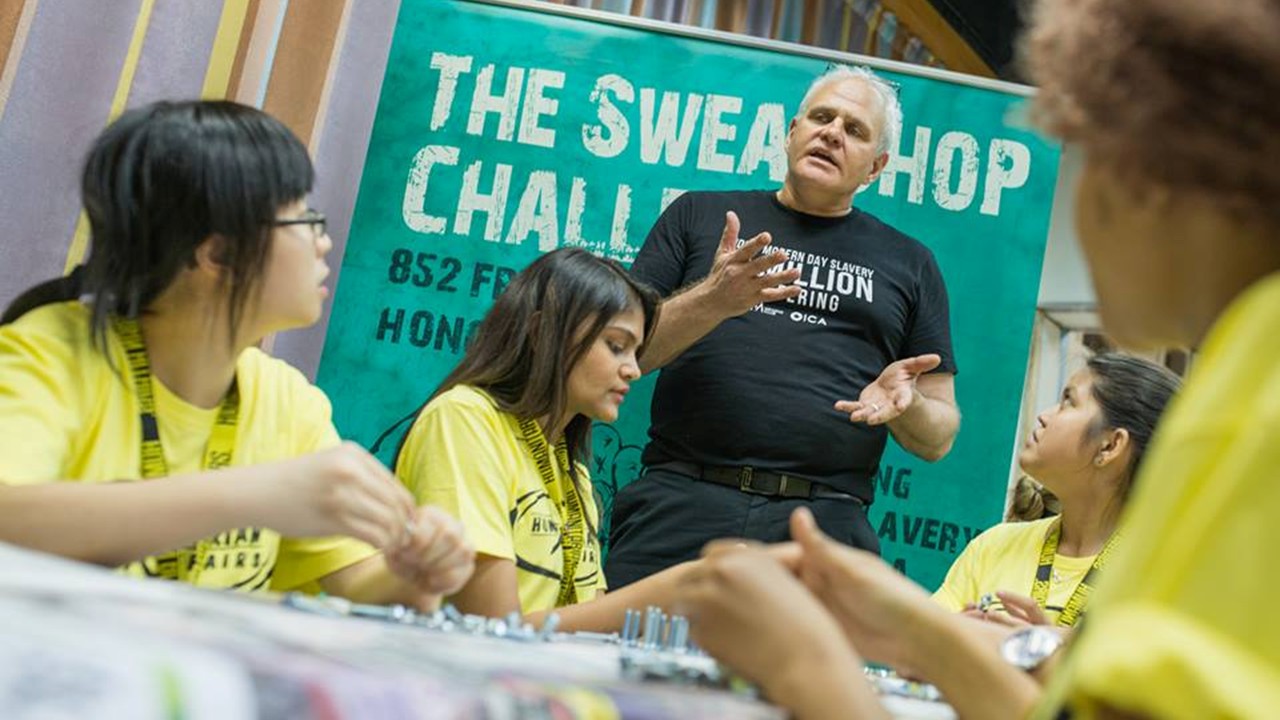
The Mekong Club is an organization dedicated to combating modern slavery in Asia and around the globe. We focus on partnering with the private sector to help businesses recognize their critical role in preventing human trafficking and exploitation within their operations. By providing tailored training and valuable resources, we empower companies to implement practices that foster safe workplaces and deter exploitation. Engaging the private sector not only raises awareness but also encourages corporate responsibility, which is essential in creating a safer and fairer environment for all. Through these collaborations, The Mekong Club strives to significantly reduce the risk of labor exploitation and promote ethical business practices worldwide.
In your view, what is currently the biggest threat or challenge when it comes to human trafficking globally?
The biggest threat of human trafficking today is the increasing demand for cheap labor and sex. Many people are vulnerable due to poverty, lack of education, or unstable situations, making them easy targets for traffickers. The internet also plays a big role, as it allows criminals to find and exploit victims quickly. Additionally, some countries lack strong laws or enforcement to fight trafficking, making it easier for traffickers to operate. Awareness and education are essential to help prevent this crime and protect potential victims from falling into dangerous situations.
What inspired you to write this book now, and what message do you hope resonates most with readers?
I was inspired to write this book to raise awareness about modern slavery through firsthand accounts from victims, perpetrators, and activists. By sharing my own life journey, I illustrate how these experiences shaped my values and led me to advocate for this cause. I hope readers reflect on these stories and understand the importance of taking action against human trafficking. My message is that everyone can make a difference, and I encourage readers to explore my other works on this critical issue through my website.
How important is it for the corporate sector to be involved in addressing modern slavery, and what actions should businesses be taking?
The corporate sector plays a vital role in fighting modern slavery, especially in supply chains. Businesses should ensure their suppliers treat workers fairly and do not use forced labor. They can start by checking where their products come from and how workers are treated. Training suppliers to follow good labor practices is also important. Companies should be open about their supply chains, sharing information with customers about how they ensure ethical practices. By taking these steps, businesses can help protect workers and create a fairer system for everyone involved.
Why is it equally important for the general public to be aware of human trafficking, and how can individuals contribute to the solution?
It’s important for everyone to know about human trafficking because it helps protect vulnerable people and can save lives. When more people are aware, they can spot signs of trafficking and report it. Individuals can help by educating themselves and others about the issue. They can support organizations that help victims and advocate for stronger laws against trafficking. Even small actions, like sharing information on social media or volunteering, can make a difference. Together, we can create a safer community and help end this crime. Awareness and action are key to solving the problem.