


In the evolving language of sustainability, few terms have moved as quickly from obscurity to boardroom priority as “scope three emissions.” For many companies, these are the hardest emissions to measure, manage, and reduce. They sit beyond direct operations, embedded in supply chains, logistics, and even consumer behaviour. Yet within this complexity lies an overlooked opportunity. One man’s scope three problem is, quite literally, another man’s economic gold.
For Malaysia, this opportunity sits squarely within the recycling sector. Manufacturing remains a cornerstone of the national economy, contributing more than 20 per cent to GDP and anchoring the country’s position within global supply chains. But as international markets tighten environmental, social and governance requirements, the ability of manufacturers to access consistent, high quality recycled materials is becoming a decisive factor in investment decisions.
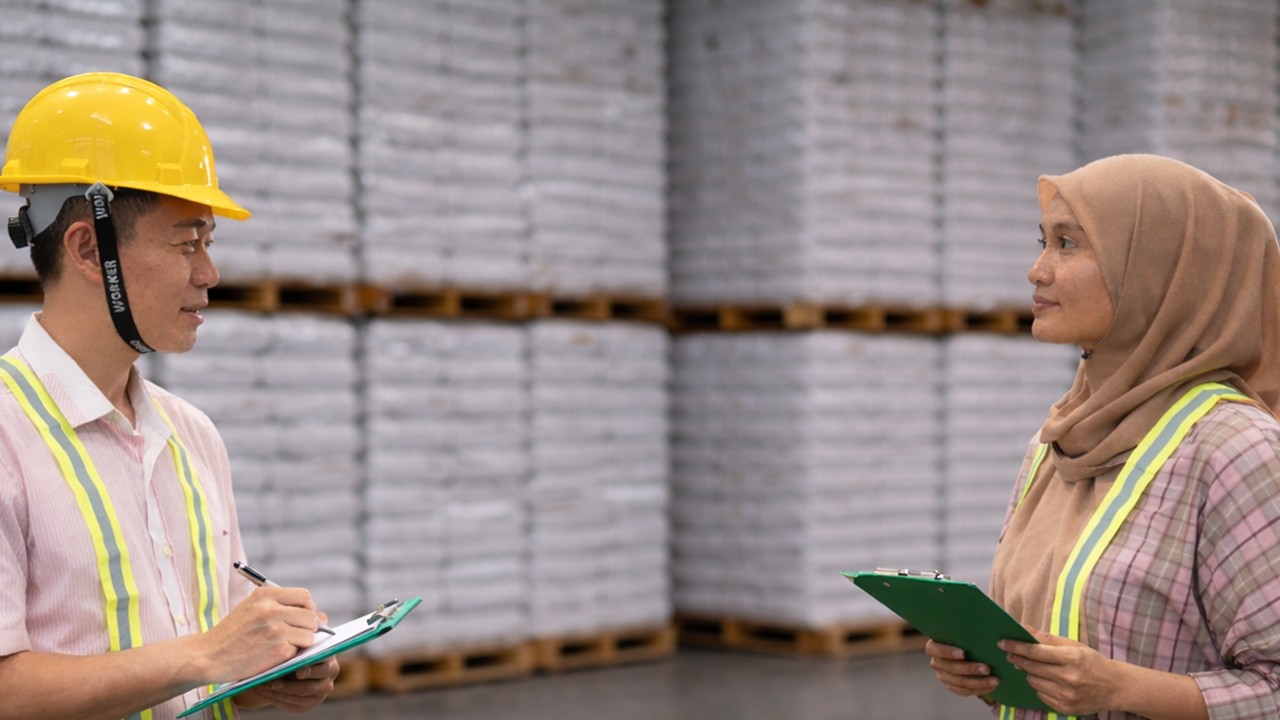
In the context of regional competitiveness in Asia, this can be a critical do or die moment for investors looking at which country to base their manufacturing or other operations in that plug into global supply chains. Malaysia must take the lead to win the prize of increase foreign direct investment (FDI).
Scope three emissions, in simple terms, are the indirect emissions that occur across a company’s value chain. This includes everything from the sourcing of raw materials to the disposal of products after use. Increasingly, global companies are being held accountable not just for what they produce, but for the lifecycle impact of their products. This is where recycling becomes strategic. The more recycled content that can be reintegrated into production, the lower the overall emissions footprint.
However, Malaysia faces a structural challenge. Domestic recycling rates remain relatively low, constrained by inconsistent collection systems and a public culture that has yet to fully embrace recycling as a norm. In some areas, outdated practices such as burning of consumer waste by consumers still persist. This reflects a deeper issue. Waste is still seen as something to be discarded, rather than as a valuable resource waiting to be recovered.
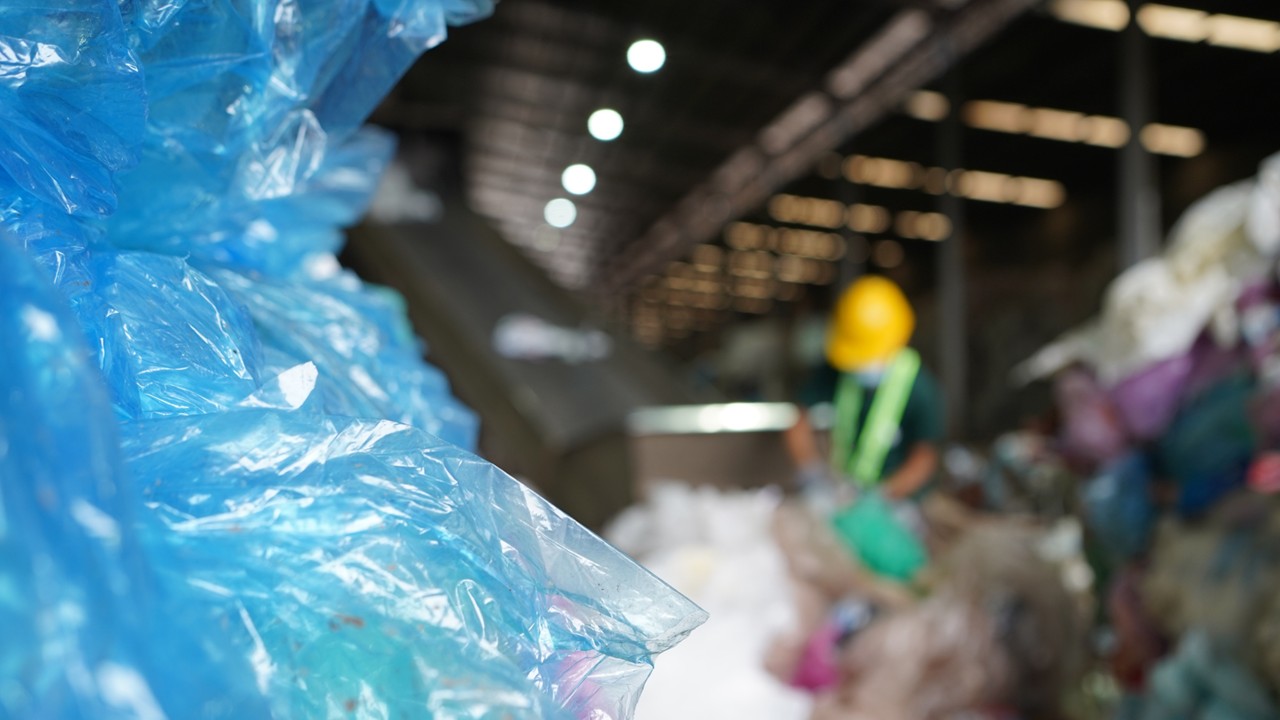
Changing this mindset is critical. Recycling is not a perfect process, and it has never claimed to be. Yet its imperfections have, at times, been weaponised by non-governmental organisations and interest groups to create fear and reinforce negative narratives. This has had a chilling effect on public perception and, by extension, participation. The reality is more balanced. While challenges exist, the economic and environmental benefits of a functioning recycling ecosystem far outweigh its limitations.
Education is the most effective lever for change. The younger generation, in particular, has the capacity to redefine societal norms around waste. Schools, universities, and community institutions must play a more active role, not only in promoting recycling, but in embedding it as part of daily life. Over time, this cultural shift can move Malaysia away from disposal-based habits towards a resource recovery mindset.
There is also a strong case for policy innovation at the community level. Housing estates and Joint Management Committees for apartment buildings could be tasked with better management of waste streams, effectively treating them as part of their scope three responsibilities. With the right framework, these entities could be measured against annual waste tonnage and recycling rates, and even incentivised through financial or regulatory rewards for improved performance. Such an approach would bring accountability closer to the source of waste generation.
At the same time, the recycling sector itself requires support to scale effectively. Increased subsidies, particularly in the adoption of advanced sorting and processing technologies, would improve efficiency and output quality. This is essential if Malaysia is to meet the growing demand from manufacturers who require reliable, high grade recycled inputs to comply with ESG standards and recycled content mandates.
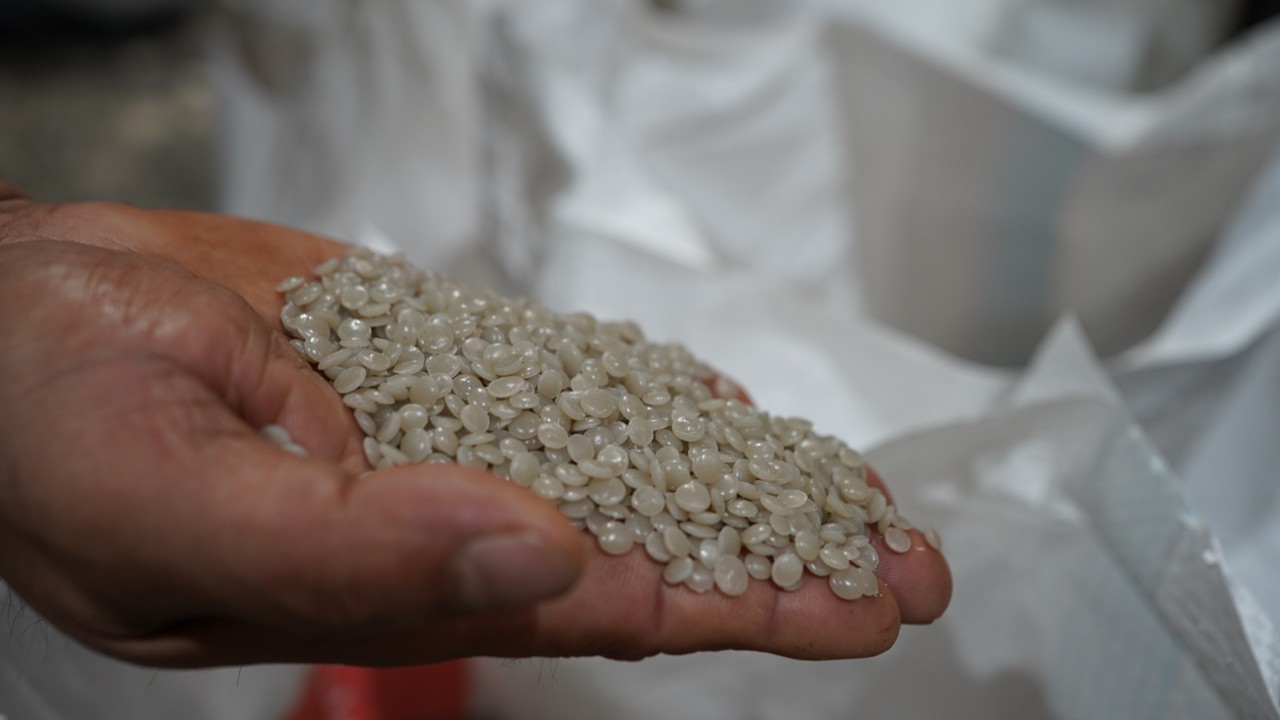
While domestic capacity is being strengthened, imports of clean recyclable materials must continue. These imports, when aligned with SIRIM standards of less than 5 per cent contamination, play a critical role in ensuring that local industries have sufficient feedstock. It is important to recognise that such materials are not waste in the conventional sense, but inputs into a value adding industrial process. In many cases, they are cleaner and more consistent than locally generated post-consumer materials.
A strong recycling sector sends a powerful signal to investors. It demonstrates that Malaysia is not only committed to sustainability, but capable of operationalising it at scale. For manufacturers navigating increasingly complex ESG requirements, this reduces risk and enhances confidence in long term investment decisions.
Ultimately, the question is not whether Malaysia can improve its recycling rates, but how quickly it chooses to do so. The intersection of environmental responsibility and economic opportunity has never been clearer. By recognising “consumer waste” as a strategic resource, aligning policy with industry needs, and fostering a culture of participation, Malaysia can turn a scope three challenge into a national advantage.
Nordin Abdullah
Founding Chairman, Malaysia Global Business Forum
 This article was written by Nordin Abdullah, Founder of the Crisis Management Centre and Founding Chairman of the Malaysia Global Business Forum. Nordin is the author of the book on ‘Reputational Security’.
*Disclaimer: The views expressed are those of the writer and do not necessarily reflect those of NHA – News Hub Asia.