


In recent years, conversations around children’s mental and emotional health have become more open across Malaysia, especially among families raising children on the autism spectrum. While awareness and access to early intervention have improved, many parents still find themselves managing daily stress that goes far beyond therapy sessions or school support. Increasingly, families are asking not just how to manage symptoms, but how to help their children feel calmer, more balanced and supported in their everyday lives.

According to the World Health Organisation, Autism affects approximately one in every 100 children worldwide, with diagnosis rates steadily rising across Southeast Asia. In Malaysia, paediatric specialists and educators note that children on the spectrum often experience heightened sensory sensitivity, making them more vulnerable to overstimulation. This constant state of alert can place strain on the nervous system, affecting sleep, digestion, emotional regulation and overall wellbeing.
HBOT therapy at Japanese Healing approaches this challenge from a preventive and body-based perspective. Rather than reacting only when stress or behavioural difficulties arise, the focus is on supporting the nervous system consistently, helping the body feel safe and regulated over time. Rooted in Japan’s long-standing wellness philosophy, the approach values calm, routine and gentle support rather than forceful intervention.
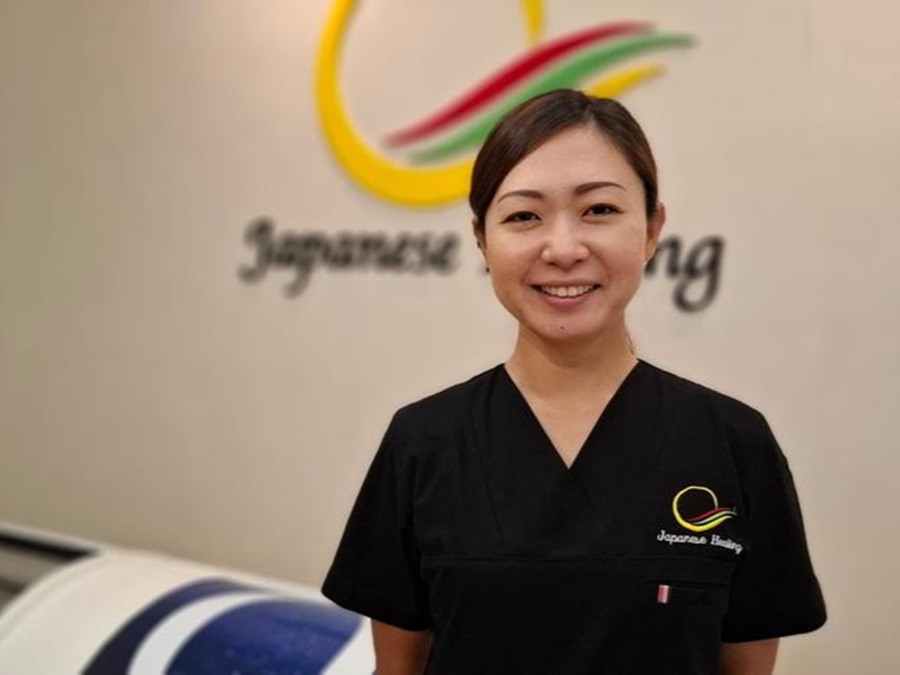
“At its core, Japanese Healing is about creating a sense of safety in the body,” explains Sayaka Misumi, Head of Japanese Healing. “When the nervous system settles, children are often better able to process their environment. We’re not trying to change who they are we’re supporting how their bodies respond to the world.”
“As the parents can join the child during the HBOT session, it turns into both a form or bonding and they also get the benefits of the hyperbaric oxygen.” Continued Sayaka who has seen many families struggle to deal with the realities of having a child on the spectrum.
Parents who explore this approach often describe gradual but meaningful changes. Improved sleep patterns, fewer emotional meltdowns and smoother daily transitions are commonly mentioned. Cindy, a Malaysian parent, “We didn’t expect results at this rate, but after a few weeks, our child seemed less tense. Even simple routines like getting ready for school felt less overwhelming.”
Research increasingly supports the importance of early stress regulation in children. Studies have shown that prolonged nervous system stress can affect long-term emotional resilience and physical health. Preventive approaches that address physical tension may help reduce burnout not only for children, but also for caregivers, who often carry significant emotional and physical strain themselves.
What sets HBOT therapy at Japanese Healing apart for many families is its emphasis on consistency rather than intensity. Sessions are calm, predictable and structured, qualities that are especially important for children who thrive on routine. Families are also guided on how to integrate simple calming practices into their weekly lives. “Healing doesn’t have to be complicated,” Sayaka notes. “Small, repeated moments of calm can have a powerful cumulative effect.”
As Malaysia’s wellness landscape continues to evolve, more families are viewing HBOT as a meaningful complement to existing therapies. Rather than a last resort, it is increasingly seen as a proactive investment in long-term wellbeing. In a fast-paced and often overstimulating world, helping children build calm from the inside out may be one of the most valuable forms of support a family can offer.
If you are curious about how the Japanese Healing team can get you started on your journey of feeling better, visit www.japanese-healing.com for more information. To book a session at their outlet in Plaza Damas 3, Kuala Lumpur, Malaysia, contact +6012 656 1388 or write to [email protected].
Source: Japanese Healing KL