


Every child has the right to grow up in a family environment, surrounded by love, care and belonging. Yet across Asia, too many children are growing up in residential care, not because they are orphans, but because their families face poverty, disability, or a lack of support.
Globally, it is estimated that four in five children living in residential care have at least one living parent, and most separations are preventable with the right support. Additionally, evidence suggests it costs up to ten times more to place a child in residential care than to support them within a family.

As Malaysia prepares for its 2026 dialogue with the UN Committee on the Rights of the Child, the nation is stepping up to lead the regional conversation on care reform by hosting the 6th Biennial International Conference on Alternative Care for Children in Asia (BICON) 2025. The conference brings together governments, civil society, care-experienced young people and child rights experts from across the region to advance a shared goal: keeping children in a safe and nurturing family environment while reducing reliance on residential care.
Care reform seeks to make this a reality by shifting the focus from placing children in residential care to supporting families and communities. It calls for collaboration across government, civil society, philanthropy, faith-based groups and the private sector to prevent unnecessary family separation through social protection and inclusive community services that keep families together.
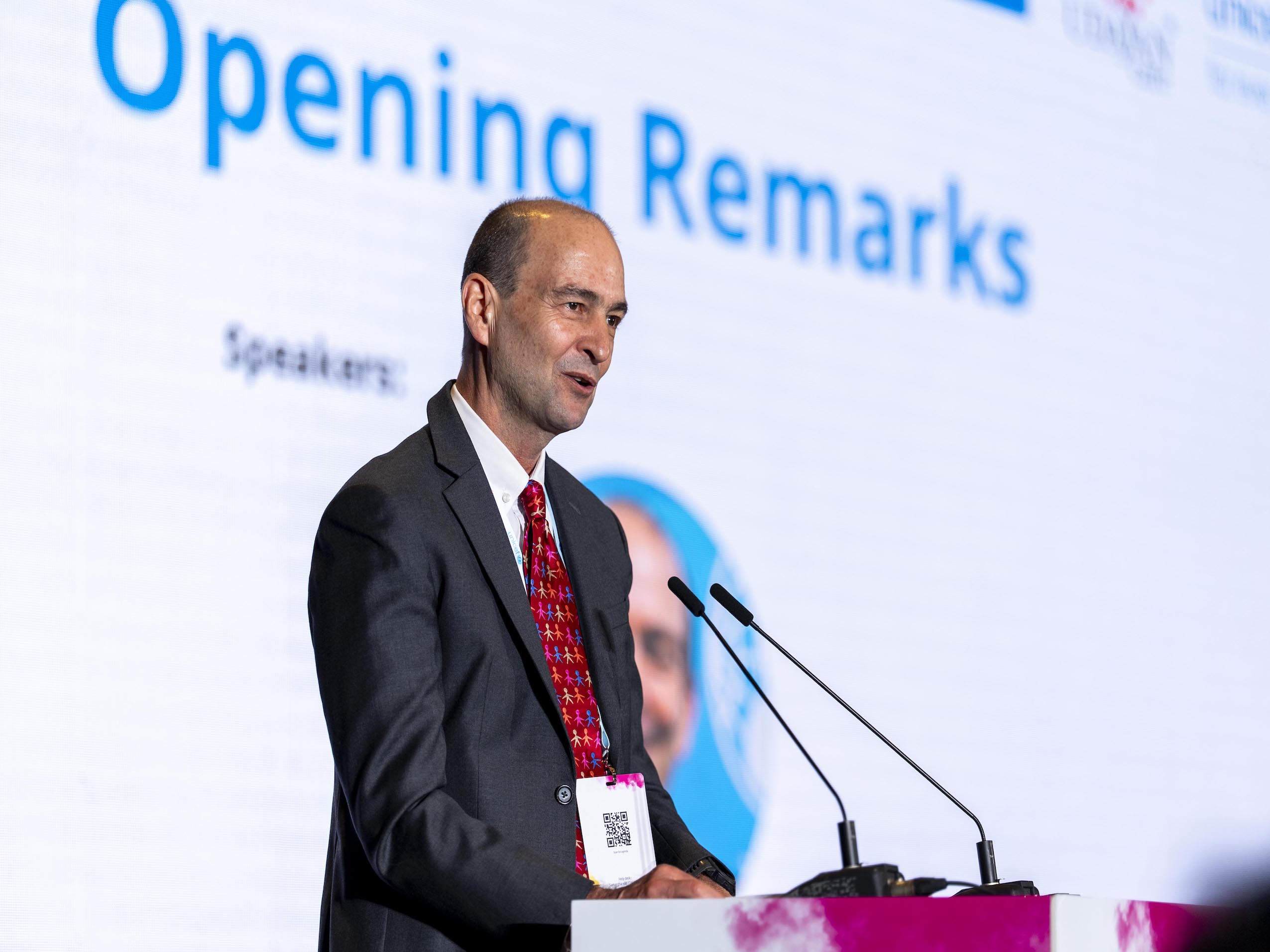
“In Malaysia and across Asia, families are the heart of our societies. Protecting children starts with ensuring they have a nurturing and safe family environment,” said Robert Gass, UNICEF Representative to Malaysia. “A child-first care system places parents and communities at the centre, making residential care a carefully monitored last resort. When social protection, parenting support and community services come together, we can give every child the opportunity to grow up safe and protected.”
Across the region, change is already under way. In Cambodia, for example, data from UNICEF shows that the number of children living in residential care facilities has dropped by over 70 per cent since 2014, following nationwide efforts to strengthen family-based care. This progress has been driven by investments in parenting support and social protection, expanding kinship and foster care, training social workers, and setting clear standards for residential facilities.
Such whole-of-system approaches demonstrate what’s possible when countries align policy, data and investment in social services, helping more children grow up in safe, nurturing family environments.
For more than a decade, BICON has championed care reform as a movement for change, rooted in communities and sustained by robust systems. This year, over 130 representatives from governments and civil society, care-experienced advocates and child-rights experts from 25 countries gathered in Kuala Lumpur, united by the shared conviction that children should grow up in safe, nurturing families.

“The belief that every child and young person deserves roots, relationships and a future anchored in dignity is the cornerstone of sustainable care reform,” said Dr. Kiran Modi, Founder of BICON and Udayan Care. “Collaboration across governments, civil society, and communities can turn good intentions into lifelong impact — ensuring that every child grows up in a nurturing family and that every young person leaving care steps into a world that sees them, supports them, and believes in their potential.”
“BICON is a platform shaped by lived experience,” said Dr Eric Sivanesh, a medical officer based in Sabah, Malaysia, and member of the BICON Care-Experienced Reference Group. “When our voices inform policy and practice, children are safer, families are stronger, and systems are fairer for everyone.”
Held for the first time in Southeast Asia, BICON 2025 reflects a growing regional momentum to strengthen family-based care systems and make reform sustainable. The conference’s theme, “Care Reform for Children: A movement for building inclusive societies, resilient families and thriving children,” captures this commitment to lasting change.
Source: UNICEF Malaysia