


One centre leading the charge is Japanese Healing at Plaza Damas 3 in Sri Hartamas. Known for its serene Japanese-style wellness approach, the centre combines HBOT with lymphatic massage and guided breathing techniques. A synergy that many recovering patients now find compelling.
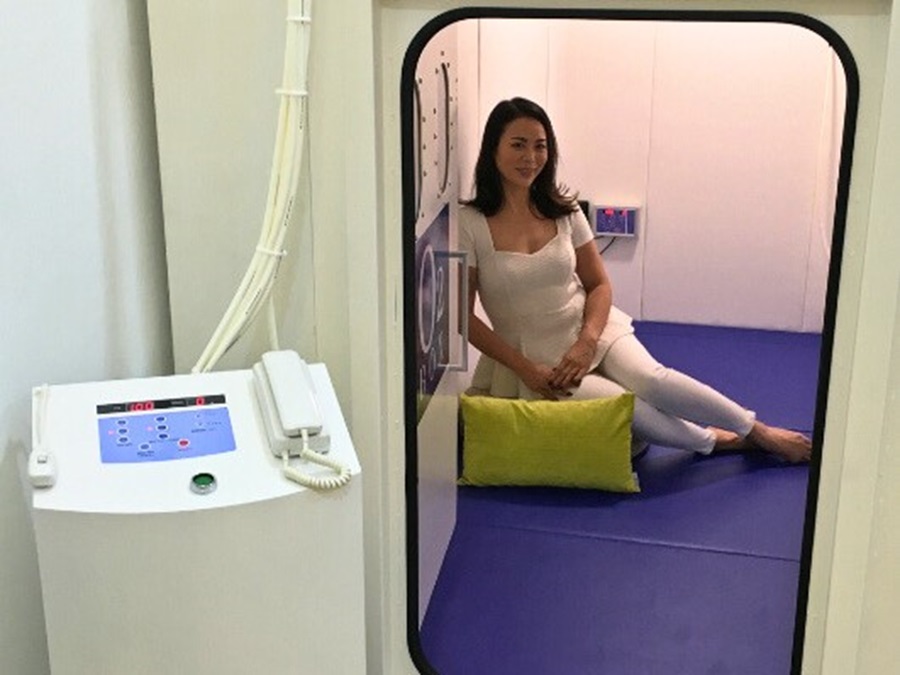
“We have noticed a marked rise in clients coming in after a bout of pneumonia, particularly those who feel that their recovery has stalled,” says Sayaka Misumi, founder of Japanese Healing. “They’re not just asking to ‘get better’ they’re asking: How soon can I feel like myself again?”
At its Plaza Damas facility, Japanese Healing offers hyperbaric sessions inside comfortable, high-tech chambers. By breathing highly concentrated oxygen in a pressurized environment, patients can potentially improve oxygen delivery to tissues that are still healing, a crucial factor for lungs recovering from inflammation.
The appeal is growing. Executives, expatriates, and wellness-focused individuals in Kuala Lumpur are increasingly booking post-pneumonia recovery packages, combining HBOT with physiotherapy, breathing exercises, and gentle lymphatic massage. This integrated model offers more than just recovery. It promises optimized healing, making many wonder whether they’re missing out on something faster, smarter, and more modern than standard care.
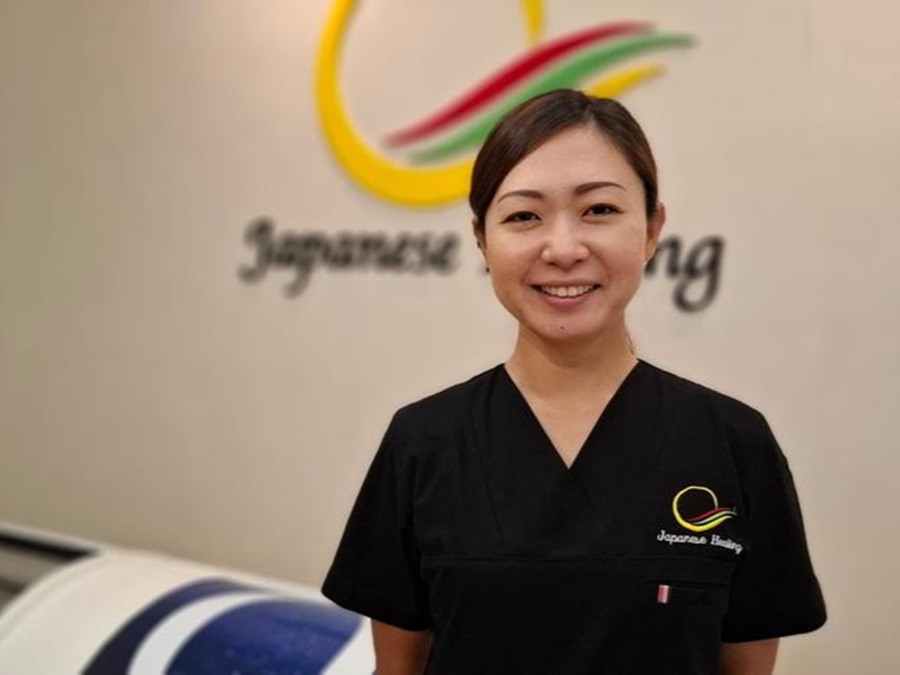
“Many of our clients tell us they wish they had come here sooner,” Sayaka adds. “When oxygen is delivered effectively, you start to notice better endurance, deeper breathing, and energy returning more quickly than with conventional rehab alone.”
As demand grows across Southeast Asia, Japanese Healing is expanding its reach beyond individual therapy sessions. The centre now works with corporate wellness departments, medical groups, and hospitality operators to help them set up HBOT rooms within their own facilities. From designing layouts to sourcing chambers and establishing staff training, the Japanese Healing team provides a turnkey model for businesses looking to ride the wave of post-illness recovery trends.
Companies see HBOT as both a wellness investment and a strategic response to recent health-related disruptions. Organisations that lived through workforce slowdowns caused by pneumonia waves, seasonal respiratory illnesses, or other health breakouts increasingly want on-site tools to keep employees resilient. Hyperbaric oxygen has quickly become a standout option not just for treatment, but for prevention, stamina, and post-illness rehabilitation.
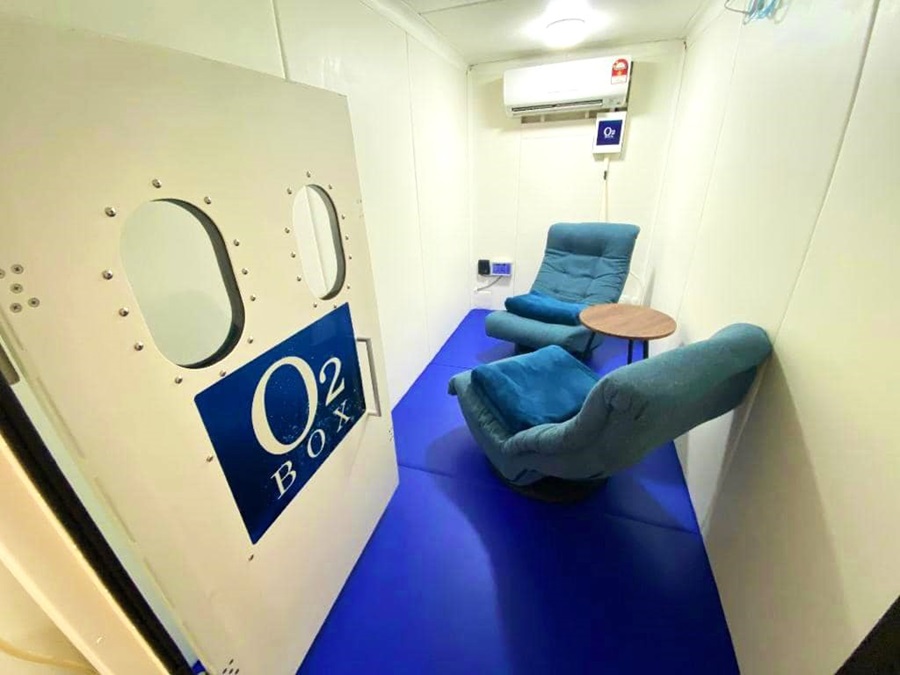
Early adopters include boutique gyms, corporate fitness centres, hotel wellness floors, and medical practices across Malaysia, Singapore, and Thailand. With Japanese Healing’s guidance, these businesses can add HBOT to their existing operations without the technical overwhelm typically associated with medical-grade installations.
While HBOT isn’t a miracle cure, its rising profile in post-pneumonia rehabilitation reflects a growing desire for faster, more complete recovery and a stronger, more health-resilient workforce. The question many companies are now asking mirrors that of individual patients: Could recovery — and readiness — be significantly improved with the right tools in place?
As Japanese Healing continues to attract clients from Malaysia and abroad, its evolving role is clear, helping both individuals and organisations return not just to normal, but to better, stronger, and faster.
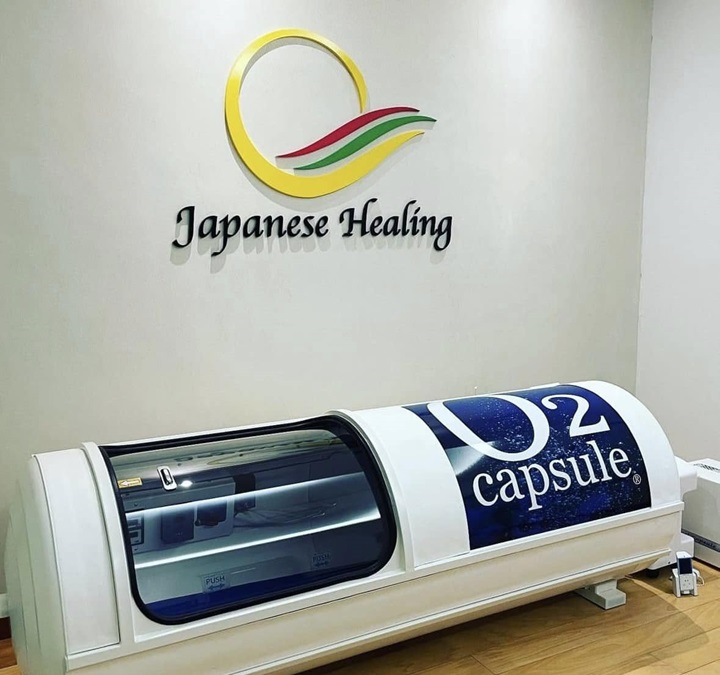
If you are curious about how the Japanese Healing team can get you started on your journey of having your customers feeling better, visit www.japanese-healing.com for more information. To book a session or to arrange a discussion with the team at Plaza Damas 3 in Kuala Lumpur, Malaysia, contact +6012 656 1388 or write to [email protected].
If you are considering HBOT for health issues, it is crucial to consult with a healthcare professional to discuss potential benefits and risks based on your individual circumstances.
For those is in the southern Malaysian state of Johor or in Singapore and looking to pop across the border for a quick HBOT session then check out Hyperbaric Oxygen Therapy Kulai (HBOT KULAI) which is conveniently located near Terminal Bus Kulai, Johor Bahru.