


Lymphoma is a type of blood cancer that targets lymphocytes, a crucial form of white blood cell responsible for defending the body against infections like bacteria and viruses. It occurs when a mutation in normal lymphocytes transforms them into abnormal, cancerous cells. It can be classified as Non-Hodgkin Lymphoma (NHL) and Hodgkin Lymphoma (HL).
According to Globocan 2022, the NHL ranked 10th globally among cancer sites, accounting for 553,389 cases and 250,679 deaths in that year alone[i]. In Malaysia, lymphoma is the fourth most common cancer[ii] and the seventh leading cause of cancer-related deaths[iii].

Dr Hon Siong Leng, clinical haematologist and transplant physician at Sunway Medical Centre in Sunway City, Malaysia, sheds light on the complexities of lymphoma, discussing its types, contributing factors, symptoms, and survival rate. Her insights underscore the critical importance of early detection and timely intervention in the fight against lymphoma.
Classification of Non-Hodgkin Lymphoma (NHL) and Hodgkin Lymphoma (HL)
The difference between Hodgkin lymphoma (HL) and non-Hodgkin lymphoma (NHL) lies in the presence of Reed-Sternberg cells found in HL but not in NHL[iv]. HL is typically diagnosed in younger adults, while NHL is more common in older adults and has many subtypes, including B-cell and T-cell lymphomas[v].

“Unlike normal lymphocytes, the abnormal cells replicate rapidly and have an extended lifespan. These cancerous cells spread through the blood and lymphatic systems, eventually growing in various body parts, including the lymph nodes, spleen, bone marrow, and other organs. As a result, patients with lymphoma will usually present with painless enlargement of lymph nodes or abnormal blood counts,” Dr Hon explains.
While NHL is more prevalent than HL, men are at a higher risk of developing both types. Dr Hon shares that individuals with lymphoma may experience a range of symptoms, such as prolonged fever for unknown reason, with temperature above 39.5 degrees, unexpected weight loss, skin rash or itching, and unusual drenching sweating at night. It is crucial to recognise these symptoms early, as timely diagnosis and early intervention can significantly improve treatment outcomes.
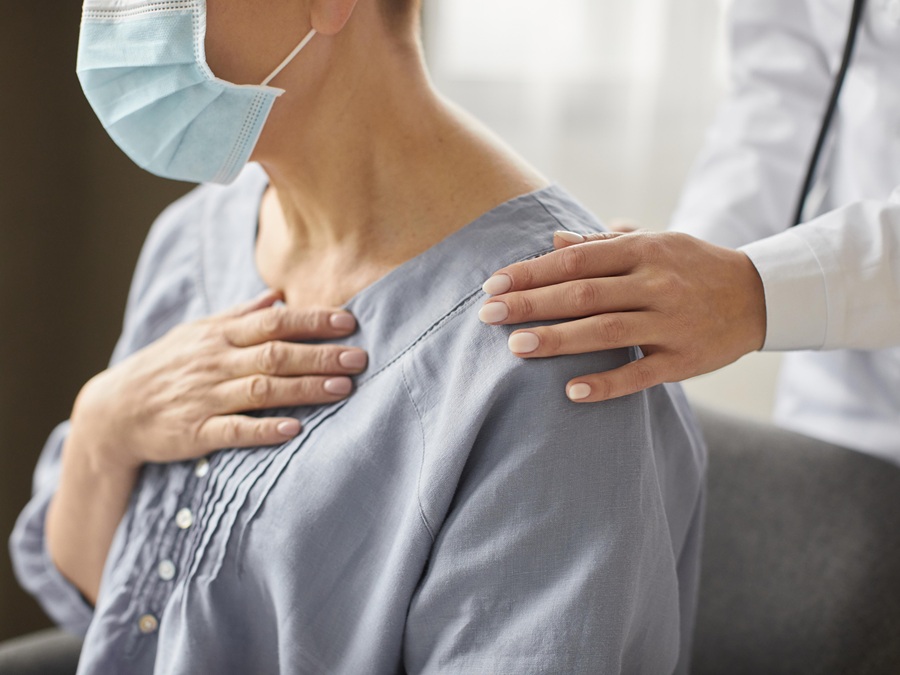
Stay vigilant: Be on the lookout for the signs of lymphoma
While lymphoma can affect individuals of all ages, certain factors can increase the risk of developing the disease. The likelihood of developing lymphoma rises with age, particularly NHL, rises with age, with the median age of diagnosis being 67 years[vi] In Malaysia, NHL is the sixth most common cancer among males and the eighth most common cancer among femalesiii.
However, age is just one of the many risk factors. People with weakened immune systems are more susceptible to lymphoma. This includes those who have undergone organ transplants in the past, and are on immunosuppressive medications, as well as individuals infected with viruses such as HIV, AIDS or Epstein-Barr virus (EBV)[vii].
Dr Hon also emphasises that a family history of lymphoma and environmental factors also play a role in elevating the risk of lymphoma. Exposure to chemicals such as benzene, pesticides and herbicides such as glyphosate has been linked to an increased risk of developing the disease[viii].
Additionally, individuals who have previously undergone cancer treatment like chemotherapy or radiotherapy may face a higher likelihood of lymphoma later in life.
Living with lymphoma: Survival Rates and Treatment Options
The good news is that lymphoma is one of the highly curable forms of cancer. Dr Hon notes that the overall cure rate for lymphoma can be as high as 80 per cent with even stage 4 showing a cure rate of up to 70 per cent. However, Dr Hon also mentioned that the treatment options vary depending on the type and staging of lymphoma as well as the aggressiveness of the cancer.
Common treatments include immunochemotherapy, radiation therapy, targeted therapy, autologous stem cell or bone marrow transplantation and Chimeric Antigenic Receptor-T (CAR-T) Cell Therapy. Hence, it is important to consult with the specialist to tailor the treatment plan.
“A diagnosis of lymphoma can impact patients both mentally and physically. The side effects of treatment, coupled with the emotional toll of battling cancer, can affect a patient’s quality of life. However, people with lymphoma can manage these challenges by maintaining a balanced diet that includes lean proteins, whole grains and full-fat dairy products, consuming well-cooked food during treatment and avoiding traditional medicine to prevent potential drug intervention.

“When it comes to daily activities, meditation or relaxation exercises like deep breathing exercises may reduce the stress and fatigue of the patients and further increase the quality of life[ix]. A supporting group may also increase the treatment outcomes by managing symptoms and side effects and providing emotional and spiritual support,” Dr Hon added.
Lymphoma is a formidable adversary, but with early detection, the right treatment, and strong support, it is a battle that can be won.
Established in 1999, Sunway Medical Centre, Sunway City is Malaysia’s largest private quaternary hospital. It is the first hospital in the country to obtain three major hospital-wide accreditations, including the prestigious Joint Commission International (JCI) Accreditation, Australian Council on Healthcare Standards (ACHS) and the Malaysian Society for Quality in Health (MSQH), reinforcing its commitment to delivering top-tier healthcare to its patients.
References:
[i] https://gco.iarc.who.int/media/globocan/factsheets/cancers/34-non-hodgkin-lymphoma-fact-sheet.pdf
[ii] Institut Kanser Negara, Ministry of Health. (2023). Summary of Malaysia National Cancer Registry Report 2017-2021. Putrajaya: National Cancer Registry Department, Institut Kanser Negara https://nci.moh.gov.my/images/pdf_folder/SUMMARY-OF-MALAYSIA-NATIONAL-CANCER-REGISTRY-REPORT-2017-2021.pdf
[iii] https://gco.iarc.who.int/media/globocan/factsheets/populations/458-malaysia-fact-sheet.pdf
[iv] Hodgkin’s vs. non-Hodgkin’s lymphoma: What’s the difference? – Mayo Clinic
[v] Hodgkin vs. Non-Hodgkin Lymphoma: How Are They Different? | MyLymphomaTeam
[vi] https://www.ncbi.nlm.nih.gov/books/NBK559328/
[vii] https://my.clevelandclinic.org/health/diseases/22225-lymphoma
[viii] https://www.cancer.org/cancer/risk-prevention/chemicals/benzene.html#:~:text=IARC%20classifies%20benzene%20as%20%E2%80%9Ccarcinogenic,%2C%20and%20non%2DHodgkin%20lymphoma
[ix] https://my.clevelandclinic.org/health/diseases/22225-lymphoma
Source: Sunway Medical Centre