


In a move that underscores growing global concerns over online impersonation and AI-driven scams, digital identity network World has struck new partnerships with Visa, Match Group, and Razer to bring its “proof of human” technology into mainstream platforms.
The collaborations — announced at the “At Last” event in San Francisco last week — will see World’s privacy-first digital ID system embedded into payment, dating, and gaming applications. The aim: to verify users are human without collecting personal data, at a time when scams, bots and deepfake content are eroding trust online.

Malaysia, where love scams and AI impersonation are on the rise, is among the countries that could benefit from such a system. Police reported RM45.9 million in losses linked to romance scams in 2024, a noticeable jump from the previous year, with the elderly being the most affected. Separately, authorities have issued warnings over deepfake scams impersonating public figures, including Prime Minister Anwar Ibrahim and global celebrities.
In an interview clip shared from the launch, Tools for Humanity co-founder and World chairman Sam Altman said the project was born from a need to preserve “what it means to be human” in a future shaped by artificial general intelligence. “We wanted a way to know what content was made by humans, and what was made by AI,” he said.
Match Group, which owns dating platforms including Tinder, will begin rolling out World ID verification in Japan. Users will be able to confirm the person they’re chatting with is real — without needing to share private information. Meanwhile, gaming hardware firm Razer plans to integrate the technology into tournaments and retail experiences. And with Visa, World will launch a debit card linked to its World App, letting users spend crypto-based assets like WLD wherever Visa is accepted.

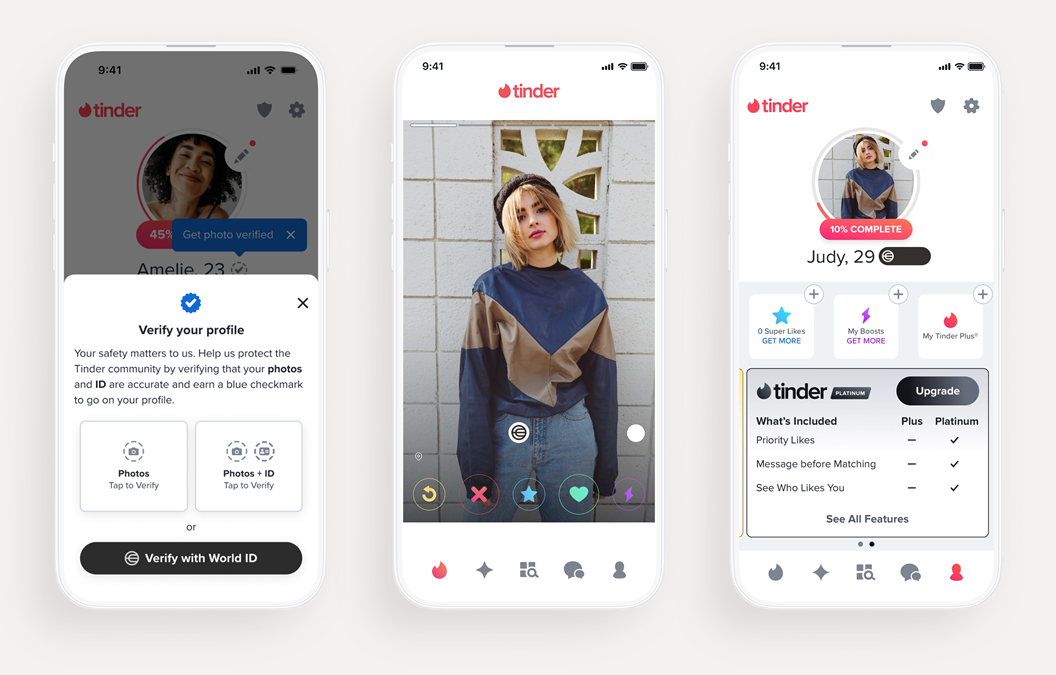
The World ID itself doesn’t require a phone number or email to operate. Instead, users are verified once, either via biometric Orb or passport, and then use that credential anonymously across any participating platform. World says more than 26 million users have joined the network so far, with 12 million already verified through Orbs and over 5 million using its suite of mini-apps daily.
While Malaysia isn’t among the first rollout countries for Match Group or Razer, World’s verification services are available locally. Users can download the World App and find nearby Orb verification points or opt for passport-based verification. The firm says it’s working to expand its ecosystem of apps and services that require human verification, aiming to offer greater safety across social, financial and online platforms.
Analysts say technologies like World ID could become increasingly relevant in Southeast Asia, where digital connectivity is growing rapidly, but so are cyber risks.
Whether such decentralised, privacy-oriented approaches can win widespread adoption remains to be seen. But as AI-generated fraud grows more advanced, World’s bet is clear: trust, they argue, begins with proving you’re human.