


Tariffs imposed by US President Donald Trump on imports from ASEAN member countries are likely to strengthen their trade ties with other nations, such as China and India.
According to Khoo Ying Hooi, Universiti Malaya’s International Relations and Human Rights associate professor, in an interview with RIA Novosti, they will undermine the United States’ credibility as a reliable economic partner in the region.
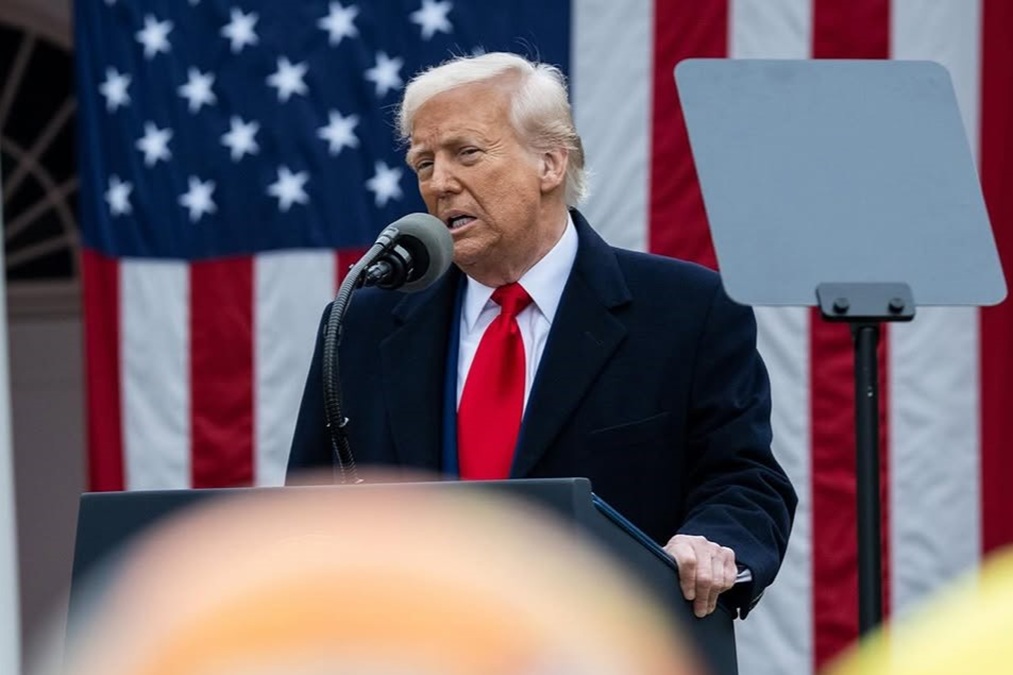
On Monday, Trump began sending out trade letters to foreign countries, outlining tariff rates on imports to the US.
Among ASEAN states, Indonesia was subjected to a 32 per cent tariff, Thailand and Cambodia faced a 36 per cent tariff, while Malaysia will pay the tariff of 25 per cent. The highest tariff rate of 40 per cent was introduced for Laos and Myanmar.
“In many ways, this process (of reorienting ASEAN exports to countries other than the US) has already begun. We’ve seen ASEAN countries deepen trade ties with other partners through multilateral arrangements, such as RCEP (Regional Comprehensive Economic Partnership) and CPTPP (Comprehensive and Progressive Agreement for Trans-Pacific Partnership).
“China is likely to emerge as a major substitute for ASEAN exports affected by the tariffs, although this comes with its own geopolitical complications. India is another potential partner, given its large market and regional ambitions,” Khoo said.
Moreover, the bloc’s trade strategy has long been “about diversification and hedging,” and the US tariffs are expected to accelerate that trend, the expert added.
“In the long run, (the tariffs) may undermine US influence in the region by pushing ASEAN further toward other economic poles … They will strain US-ASEAN economic ties and may drive Southeast Asia further into the orbit of China and other alternative partners. In the long term, the US risks losing its credibility as a stable and predictable economic partner in the region.”
At the same time, while the upcoming ASEAN summit in Malaysia may provide a “quiet platform for discussion,” any renegotiation is unlikely at this stage, as “Trump’s tariffs are often politically driven and intended to appeal to domestic constituencies,” Khoo noted, adding that there will be little incentive for the US president to reverse trade course unless he is influenced by allied lawmakers or domestic businesses.
“Countries like Malaysia, Vietnam, and Thailand, who have strategic dialogues with the US, might use bilateral meetings on the sidelines to voice concern and seek clarifications. But Asean as a bloc doesn’t have much leverage over US trade policy, particularly under an administration that prefers unilateral action over multilateral negotiation.”
After returning to the White House, Trump began to tighten trade policy. He introduced duties on imports from Mexico and Canada, raised them for China, and then announced tariffs on steel, aluminium, and cars.
The culmination was the announcement on 2 April of a 10 per cent base import rate and increased “reciprocal” duties for individual countries.
However, a week later, tariff increases were put on hold, and the US began trade negotiations with many trading partners. Yesterday, the US president extended the suspension of increased tariffs on foreign goods until 1 August.
 This article by Bernama originally appeared on Scoop.my.