

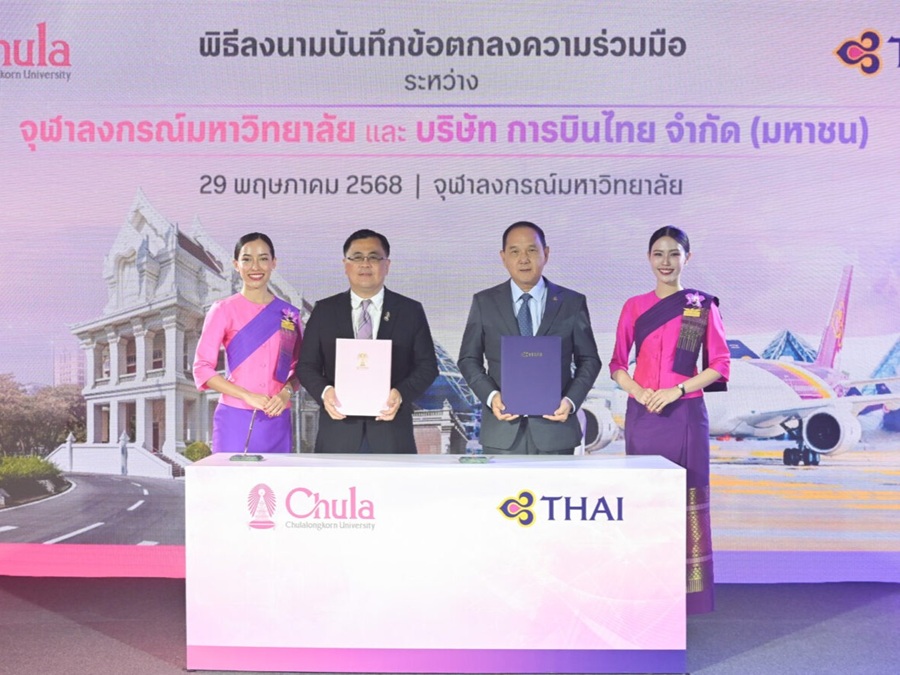
Thai Airways International has officially exited its court-supervised business rehabilitation after a ruling by the Central Bankruptcy Court on 16 June, marking a new chapter in the airline’s transformation journey. Just weeks earlier, the carrier had signed a memorandum of understanding (MoU) with Chulalongkorn University to support knowledge exchange, leadership development and student training, strengthening ties between academia and the national airline as it looks to rebuild for the future.
The MoU was signed on 29 May 2025 at the Maha Chulalongkorn Building by Professor Dr Wilert Puriwat, President of Chulalongkorn University, and Chai Eamsiri, chief executive officer of Thai Airways. The agreement includes plans for collaborative research, curriculum co-development, internships, training and case studies drawn from Thai Airways’ own corporate turnaround.

The announcement comes as the airline prepares to resume trading on the Stock Exchange of Thailand in August, following its successful implementation of the court-mandated recovery plan. Thai Airways has met all four key criteria: debt repayment, capital restructuring, a return to positive equity, and the appointment of a new board of directors.
As part of the partnership, Thai Airways took centre stage in the university’s fourth “President’s Distinguished Speaker Series,” themed “From Turbulence to Triumph: Thai Airways’ Journey from Recovery to Ascent.” The session featured remarks from the airline’s leadership, including Dr Piyasvasti Amranand, head of its business rehabilitation plan.
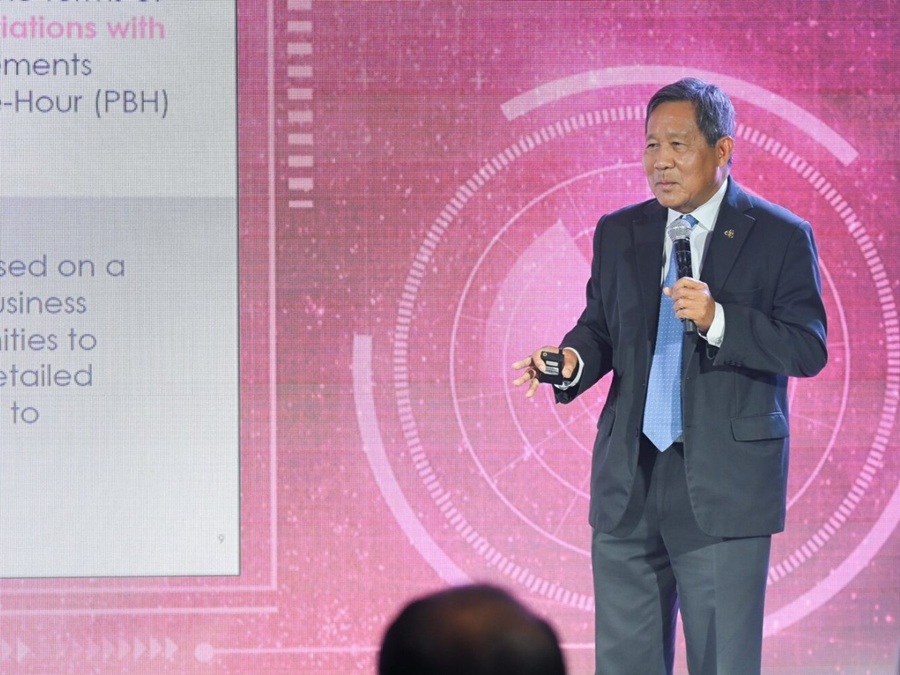
“Soon, the court is expected to issue an order concluding the rehabilitation process, which would mean Thai Airways can once again operate as a regular public company and resume stock trading,” said Dr Piyasvasti during the event, remarks that have since materialised.
He also urged airline staff to remain vigilant: “Do not succumb to external pressures –otherwise, we risk repeating past mistakes. Weakness among executives or employees opens the door to outside interference, especially in procurement. I urge our leadership to stay strong and uphold what is right.”
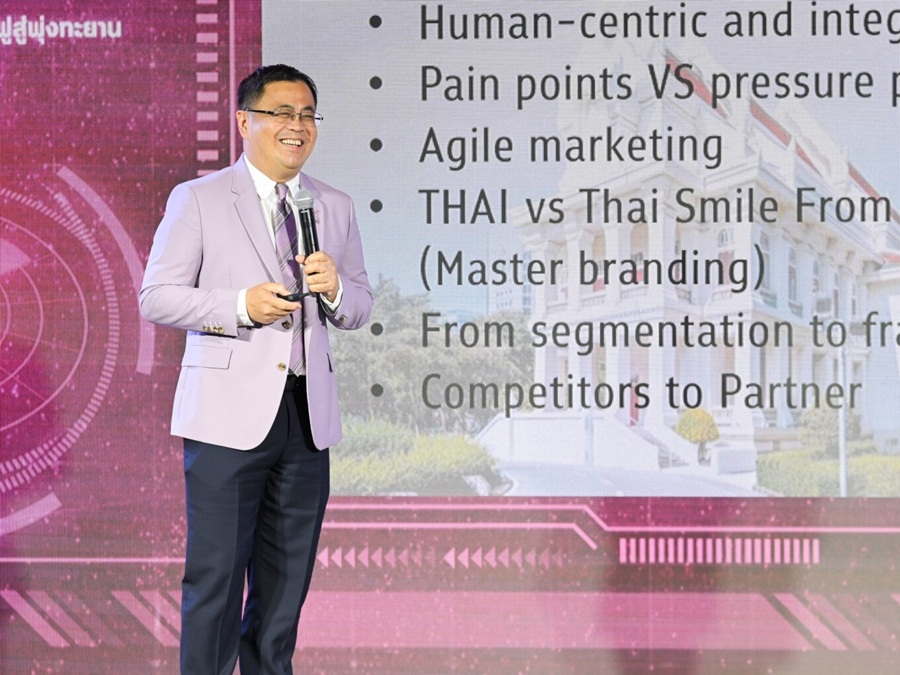
Professor Dr Wilert described the collaboration as an opportunity for meaningful, real-world learning. “The role of universities today goes beyond simply delivering education—it includes learning from actual challenges. …It is an honour to learn from Thai Airways’ transformation,” he said. “Both Chulalongkorn University and Thai Airways share a similar mission—to go global, acting as gateways to Thailand.”
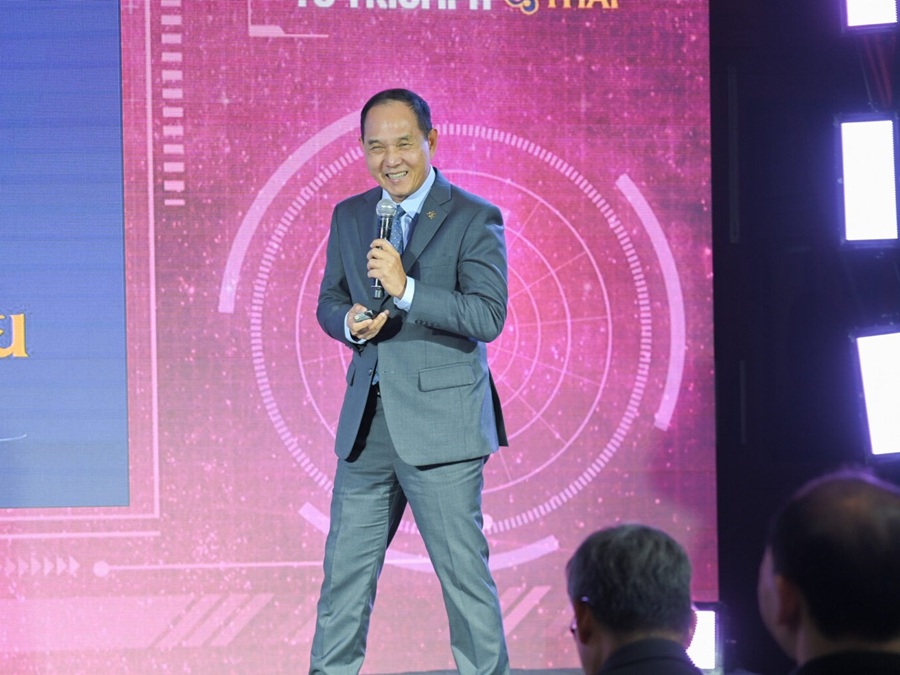
Chai noted that the airline has begun integrating elements of Thai soft power into its services as part of its brand renewal. “Aviation is a complex, highly competitive industry. Thai Airways envisions becoming a high-quality airline that reflects Thai identity through its services and achieves sustainable profitability. Since our performance has improved, we’ve incorporated elements of Thai soft power into our identity under the theme ‘Good Taste for a Good Cause,’ to tell our story and restore public trust,” he said.
 Why this matters
- Thai Airways’ return signals renewed stability in Thailand’s aviation sector after one of the most high-profile restructurings in Southeast Asia.
- For students and educators, the partnership offers direct access to a real-world case study in organisational transformation.
- For travellers, it hints at enhanced service offerings rooted in Thai identity and hospitality, part of the airline’s renewed brand strategy.