


Malaysia’s ambition to lead South East Asia in defence innovation and strategic aerospace cooperation took a definitive step forward last week, as the 17th Langkawi International Maritime and Aerospace Exhibition (LIMA’25) closed with RM11 billion in transactions and a record showing of international participation.
Held from 20 to 24 May, LIMA’25 marked a significant moment not just for Malaysia, but for the region. With over 860 companies from 24 countries, 64 visiting delegations, and a packed programme of conferences, demonstrations, and business meetings, the five-day event reflected a broader regional shift: ASEAN nations are not just buyers in the global defence market—they’re fast becoming collaborators, developers, and co-innovators.
Malaysia’s Defence Minister, Datuk Seri Mohamed Khaled Nordin, framed the exhibition’s success as part of a national strategy to elevate Malaysia’s role in shaping regional security and economic resilience.
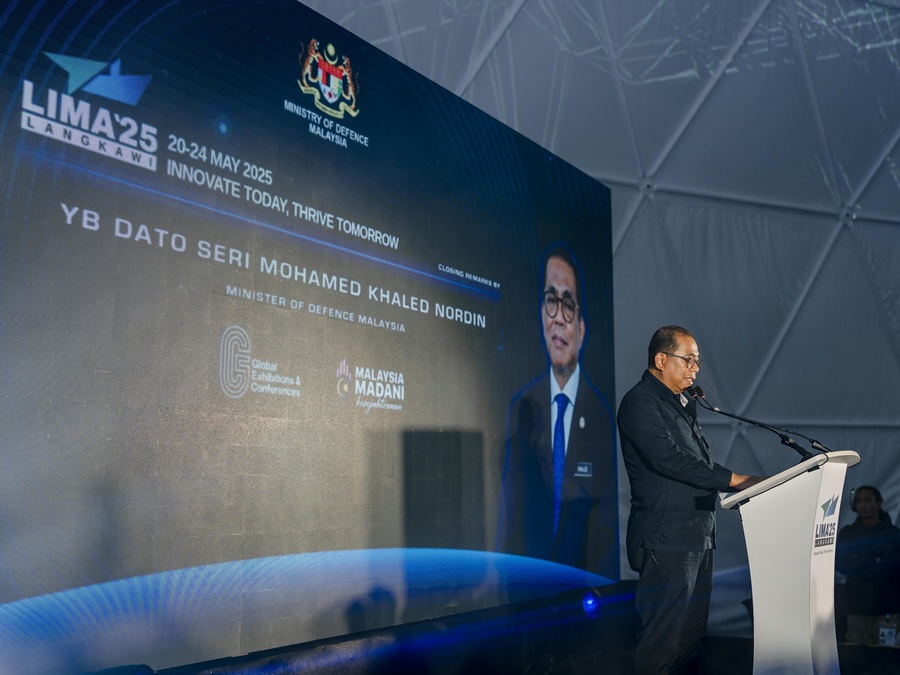
Innovation, ESG, and a Changing Regional Order
Themed “Innovate Today, Thrive Tomorrow”, LIMA’25 leaned heavily into future-facing technologies—an intentional pivot. Alongside traditional naval and air assets, electric and hybrid aircraft featured prominently in the Innovation Pavilion, while the LIMA Green Initiative gave environmental, social, and governance (ESG) credentials a front-row seat.
The A.T.M.O.S Sphere, one of the event’s newest attractions, offered a glimpse into how Southeast Asia is embracing space tech not just for defence, but for climate resilience, agriculture, and communications.
“Success is built on strong pillars—hard work, innovation, learning, and unity,” said Abd Hafiz Abu Bakar, managing director of co-organiser Global Exhibitions & Conferences Sdn Bhd (GEC). “By bringing these elements together at LIMA’25, we have created a platform where progress is possible, and opportunities are open to all.”
Strategic Outcomes Behind the Numbers
Beyond headline figures, LIMA’25 facilitated 1,400 business-to-business and 920 business-to-government meetings. The exhibition served as a springboard for companies looking to tap into cross-border opportunities, particularly as regional defence budgets rise and ASEAN collaboration deepens.
What sets this year’s edition apart, analysts noted, is not just the scale of business conducted—but the growing agency of ASEAN players in shaping their security architecture.
From new bilateral memoranda of understanding to joint ventures in shipbuilding and aerospace systems, the deals signed hint at a future in which Malaysia—and by extension, South East Asia—plays a more active role in both regional and global supply chains.
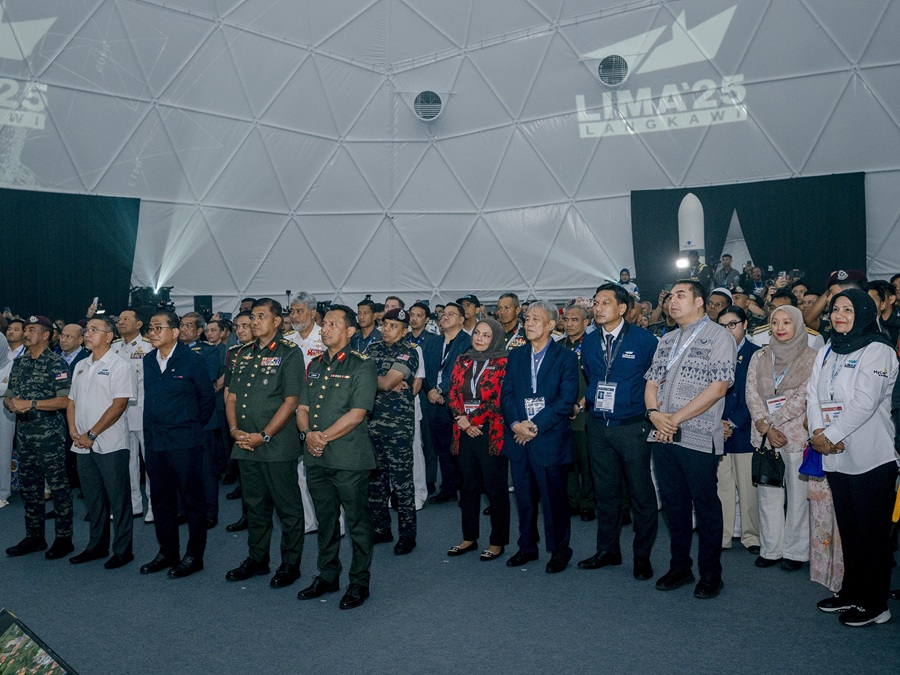
Local Impact, Global Vision
For Langkawi and the state of Kedah, the economic spillover was immediate. Hotels were fully booked, local restaurants reported peak traffic, and SMEs in tourism and services saw surging demand.
“LIMA’25 has delivered far-reaching economic and social benefits for Langkawi and the greater Kedah, contributing positively to our goals for Visit Kedah Year 2025. It has brought the world to our doorstep,” said Datuk Mohd Salleh Saidin, chairman of the Kedah State Tourism, Culture, Arts and Entrepreneurship Committee.
More importantly, said Mohd Salleh, events like LIMA offer long-term gains: positioning Kedah as a credible “globally competitive destination, while driving sustainable growth and inclusive development for our people.”
Looking Ahead to 2027
As LIMA’25 closes, organisers have already begun preparations for the 2027 edition. Whether the next LIMA builds on the same scale or shifts in new directions remains to be seen—but its legacy as a key node in the region’s maritime and aerospace map is secure.
In a world increasingly defined by geopolitical realignment, LIMA has quietly evolved from a showcase into a stage where the future of regional cooperation is negotiated—aircraft by aircraft, ship by ship, and now, satellite by satellite.