


As data becomes the lifeblood of decision-making in today’s volatile communications environment, brands are increasingly seeking clarity in the chaos. But are they asking the right questions of their data?
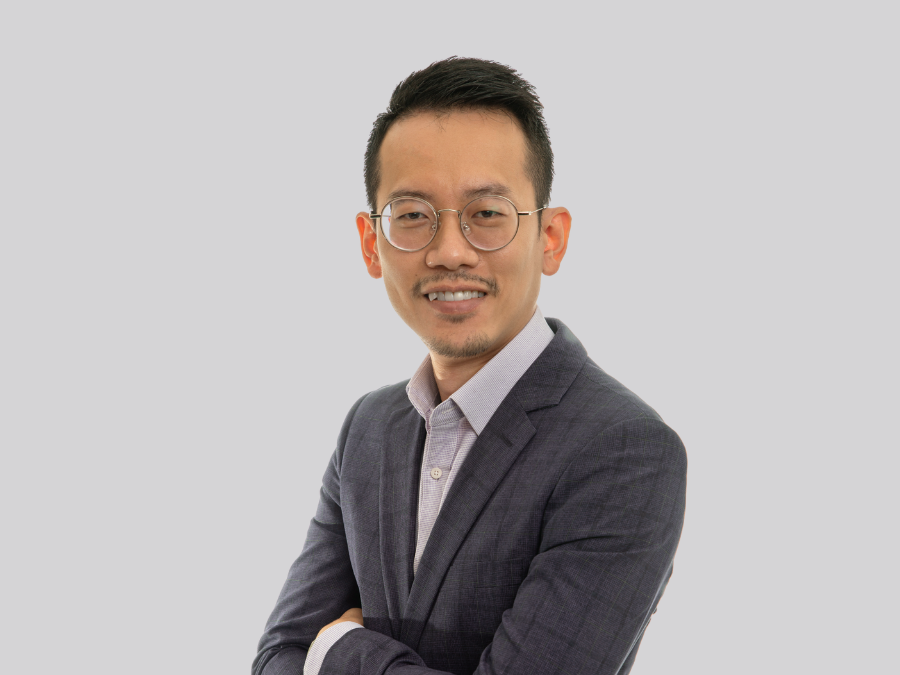
Ahead of CommsForward25, News Hub Asia sits down with Chris Seto, commercial director of Dataxet Malaysia, to explore how media intelligence is stepping into its own as a strategic business tool. With the theme of his session, “Beyond Mentions and Metrics: The Strategic Power of Media Intelligence”, Chris unpacks why communications data needs to move beyond reporting and into the boardroom.
From Metrics to Meaning
Media monitoring once meant tracking headlines and sentiment — a function often siloed within comms teams. But by 2025, says Chris, the stakes are higher, and the expectations sharper.
“Strategic media intelligence is about far more than just monitoring mentions,” he says. “It’s about helping organisations understand how narratives are evolving, what issues are gaining momentum, and where reputational risks or opportunities might be emerging.”
Especially in Asia’s fragmented media landscape, context is king. The speed and scale of digital and social platforms demand that communication professionals go deeper than volume or tone. Today, Dataxet works with clients to build bespoke frameworks that deliver not just data, but decisions.
“Volume and sentiment are starting points, not endpoints. Leaders need to see the undercurrents: reputational risks, emerging narratives, stakeholder sentiment shifts.”
With information overload a persistent challenge, identifying the signal amidst the noise has become a business imperative. Dataxet’s approach combines AI-powered analytics with local human insight, drawing meaning from content that might otherwise be lost in the blur.
“AI can quickly process high volumes of content, but it’s the local insight that helps decode tone, cultural sensitivities, or the underlying meaning of conversations,” explains Chris. “This hybrid model is especially critical in South East Asia.”
And clients are catching on. Today’s C-suite wants more than a clip report — they want foresight.
“The C-suite expects clear, data-driven insights that help them understand public sentiment, reputational risks, and emerging issues. Business leaders are becoming more receptive to media intelligence in their decision-making.”
Still, there’s a disconnect between expectations and resources. Chris points to a common blind spot: the underestimation of the communications team’s strategic role.
“PR and comms teams are expected to manage crises, reputational risks, and stakeholder engagement — but often without the right tools, data or manpower.”
On the flip side, he sees signs of progress. More organisations are integrating media insights into leadership briefings, using social sentiment reports to trigger internal action. The message is clear: comms can no longer be reactive; it must be predictive.
Looking ahead, Chris believes the next frontier in media intelligence will be trust and verification. As AI-generated content proliferates, the ability to verify authenticity and detect influence campaigns will become a core feature of future media tools.
“The challenge won’t just be tracking narratives — it will be knowing what’s real, what’s manipulated, and who’s behind it.”
He also sees media intelligence expanding its influence across the enterprise, informing not just reputation, but also investor relations, public affairs, policy positioning, and product strategy.
“Media intelligence will need to speak the language of business — tying its impact back to measurable outcomes like customer trust, policy shifts, or market sentiment.”
As Chris Seto makes clear, media intelligence today is no longer a reactive reporting function — it’s a strategic lever for managing risk, reputation, and relevance. For business leaders navigating noise-heavy digital ecosystems, the ability to distil meaning from media data may soon become a core leadership competency.
Catch Chris live at CommsForward25, which kicks off tomorrow in Kuala Lumpur, where he will join a stellar line-up of speakers redefining the future of communications and brand strategy across Asia.
Stay tuned with News Hub Asia for more exclusive coverage from the event.