
Home Blog Page 2

Mastercard introduces first-ever threat intelligence solution to combat payment fraud at scale

Mastercard announced the launch of Mastercard Threat Intelligence, the first threat intelligence offering applied to payments at scale. The solution combines Mastercard’s global fraud insights with cyber threat intelligence from Recorded Future, empowering financial institutions across Asia-Pacific (APAC) to detect, prevent and respond to cyber-enabled fraud with greater speed and accuracy.

Photo for illustration purposes only | Photo by Vitaly Gariev/Unsplash/NHA File Photo

The intelligence gap between cyber and fraud teams remains critical. Sixty percent of global fraud and risk executives are notified of cyber data breaches only after fraud losses begin, a figure that rises to 67 per cent across APAC. Similarly, 83 per cent of APAC financial institution leaders report frustration with the lack of real-time cyber threat intelligence (CTI) integration.

“Payment fraud is no longer just a payment system issue — it’s a cybersecurity challenge that directly impacts an organisation’s bottom line,” Matthew Driver, executive vice president of Services, Asia Pacific at Mastercard said. “Mastercard Threat Intelligence bridges communication gaps, enabling fraud and security teams to work together seamlessly to stop fraud before it happens.”

“Asia Pacific is seeing a surge in cyber-enabled fraud, and the need for integrated intelligence has never been more urgent,” said Aditi Sawhney, senior vice president of Security Solutions, Asia Pacific at Mastercard. “We’re helping our customers move from fragmented responses to unified, intelligence-led defense strategies that strengthen resilience across the payments ecosystem.”

Mastercard Threat Intelligence offers customers the following key features:

• Card testing detection: Real-time alerts and proactive declines of fraudulent test transactions, reducing downstream fraud and protecting cardholders.
• Digital skimming intelligence: Quantitative data to assess skimmer impacts and disrupt card-related malware, leveraging Mastercard’s industry partnerships.
• Merchant threat intelligence: Targeted insights to assess merchant risk and enable faster incident response.
• Payment ecosystem threat intelligence: Weekly reports on emerging threats and vulnerabilities across the global payments landscape.
• Payment intelligence reports: Actionable case studies and fraud trend analysis to inform strategy and strengthen defenses.

Operational silos continue to challenge risk resilience. Two in three fraud and risk leaders worldwide highlighted silos as a top concern, with 72 per cent of APAC leaders citing this entrenched issue as their highest priority.

“Operational silos within the fraud and cyber teams continue to plague risk leaders as a high concern,” said Driver. “With Mastercard Threat Intelligence, we’re giving our customers the global visibility, threat intelligence and tools to prevent fraud and operate securely in a connected world.”

Despite the challenges, APAC leaders are also seeing the benefits of improved integration. Most (89 per cent) institutions in the region report faster fraud defense responses following integration efforts, leading all global regions in speed gains.

The launch of Mastercard Threat Intelligence comes less than a year after Mastercard finalised its acquisition of Recorded Future, and demonstrates the companies’ commitment to delivering a unified, intelligence-led approach to securing the digital economy.

During market testing over the course of six months, Mastercard’s intelligence data helped ecosystem partners identify and take down malicious domains tied to the theft of payment card data, which had impacted nearly 9,500 ecommerce sites and were linked to an estimated USD 120 million in fraud losses.

Source: Mastercard
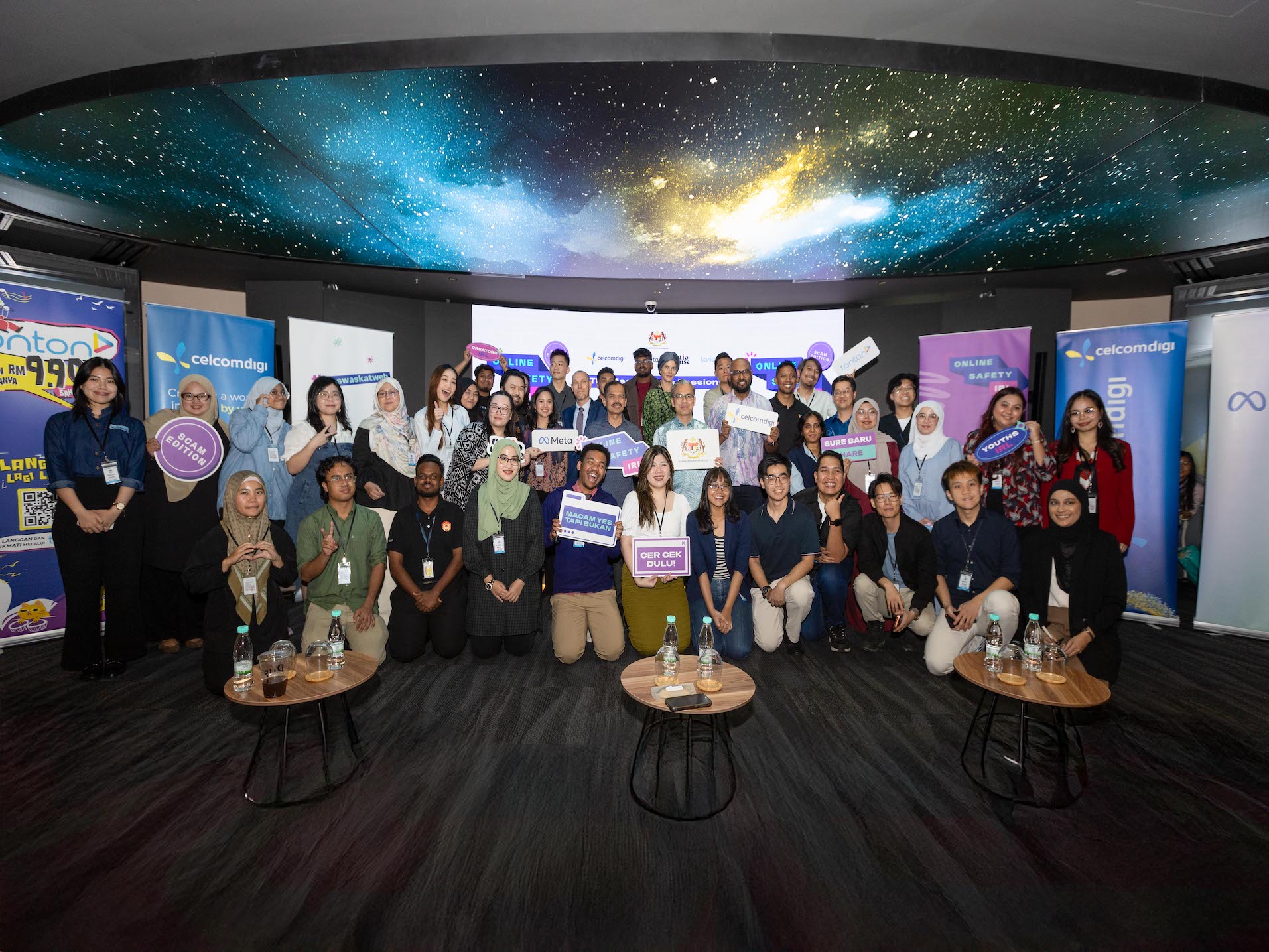
    Online Safety IRL develops a new generation of changemakers to combat AI-driven scams.

    A new cohort of 35 young changemakers and content creators is being equipped to lead online safety advocacy through the Online Safety IRL: Scam Edition fellowship programme. As trusted voices in their communities, these fellows have the potential to collectively reach over five million users online to raise scam awareness and shape safer digital behaviours.

    35 content creators and youth leaders will be trained to amplify scam awareness and digital safety under the Online Safety IRL:Scam Edition programme jointly driven by Ministry of Communications, CelcomDigi Berhad, Meta Platfrom Inc, Ration:Cause and Tonton. | Photo by Ministry of Communications/NHA File Photo

    The programme is jointly driven by the Ministry of Communications, CelcomDigi Berhad, Meta Platforms, Inc. and Ratio:Cause, alongside media partner – Tonton, to grow a strong network of digital safety advocates and maximise impact through a multi-stakeholder approach.

    Building on the success of its first edition which impacted over 2.8 million Malaysians through digital safety awareness content, the second edition returns with a focus to address the growing threat of financial scams, particularly those driven by AI technologies. The fellows will undergo an immersive fellowship involving expert-led masterclasses, field immersions, mentorship and community outreach, to build on their scam-spotting skills and understanding of AI’s dual role in scams and safety.

    Minister of Communications, YB Datuk Fahmi Fadzil said, “Scams affect everyone, and protecting Malaysians requires us all to work together. This programme shows what’s possible when government, industry, and communities unite to build awareness and strengthen online safety for all.”

    CelcomDigi’s Head of Sustainability, Philip Ling said, “Content creators and youth leaders are powerful changemakers with their ability to reach and influence communities both online and offline. We have seen the impact driven by peer-led advocacy in shaping how Malaysians navigate the digital world. Through Online Safety IRL, we are helping to grow a dynamic network of advocates who can continue to spark conversations, shift behaviours, and make the internet safer for everyone. CelcomDigi remains committed to fostering a safer and more secure digital environment for all. We will continue to develop strategic partnerships to build a trusted digital society.”

    Meta’s Head of Public Policy for Malaysia and Brunei, Daniel Lim said, “Protecting people online is a collective effort, and we strive to equip the next generation with the skills and awareness they need to navigate online spaces confidently. Through the Online Safety IRL programme, we’re proud to support young leaders and creators as they champion scam awareness and inspire safer online behaviour in their communities. Together with our partners, we’re building a more secure and informed digital future for all Malaysians.”

    Executive Director at Ratio: Cause, New Su Shern said, “The success of our first edition proved to us how powerful collaboration can be when different stakeholders come together with purpose. This programme has never been just about awareness, it’s about changing how Malaysians think, act and look out for one another online. This year, we’re expanding that impact even further, reaching more people across the country through a more diverse group of creators and youth fellows. Together with the Ministry of Communications, Meta, CelcomDigi and Tonton, we’re making scam resilience not just a campaign, but a nationwide movement powered by voices of our own communities.”

    The programme comprises two separate fellowship tracks, designed respectively for content creators and youths across Malaysia. Content creators will go through a 3-month fellowship which consists of:

    • MYR 8,000 grant to support content creation on scam awareness
    • Expert masterclasses on topics such as scam psychology, AI-generated fraud, and ethical content creation
    • Exclusive networking opportunities with corporate partners, government agencies, and like-minded creators
    • The youths will undergo a 6-month fellowship which includes:
    • Expert masterclasses focusing on community outreach and advocacy, in addition to topics on scam psychology, AI-generated fraud and more
    • Mentorship from programme partners and industry experts
    • Hands-on opportunity to design a community project on scam awareness

    Featuring ‘Is This Legit?’, a scam awareness game by Meta.

    Along with the launch of Online Safety IRL: Scam Edition, Meta also proudly presented their latest scam awareness game called ‘Is This Legit?’, now available in Bahasa Malaysia for the local audience. This is an interactive experience designed to equip online communities with skills to identify and avoid common scams. By engaging players through art and creativity, Meta aims to embed critical scam-spotting knowledge in their long-term memory, leading to lasting behavioural change.

    Source: Ministry of Communication

      APAC’s digital economies: Where rapid innovation is increasing exposure to sophisticated fraud

      Today, Sumsub, a global verification and anti-fraud leader, released the second edition of its Global Fraud Index, revealing that Asia-Pacific has dropped from third to fourth place globally in fraud protection amid rising exposure to fraudulent activities. The region now ranks just above Africa and trails Europe, the Middle East, and the Americas. The report, produced in collaboration with Statista and the Digital Assets Association (DAA) Singapore, examines fraud risk across 112 countries to help regulatory bodies, governments, and businesses better understand and prevent fraud.

      There’s been an explosion of fraud worldwide - are business leaders ready to lead the fight against it?  Sumsub’s What The Fraud summit is Asia-Pacific’s first event for fraud fighters, fintech innovators, crypto leaders, AI experts, regulators, and compliance professionals.
      There’s been an explosion of fraud worldwide – are business leaders ready to lead the fight against it? Sumsub’s What The Fraud summit is Asia-Pacific’s first event for fraud fighters, fintech innovators, crypto leaders, AI experts, regulators, and compliance professionals.

      While some markets like New Zealand and Thailand have strengthened their fraud protection, several of the region’s leading digital economies, including Singapore, Japan, Indonesia, and Malaysia have experienced significant declines in their rankings, highlighting the widening gap between rapid digital growth and the implementation of robust fraud prevention measures to safeguard users against increasingly sophisticated fraud.

      “This year’s Global Fraud Index shows that fraud protection isn’t about geography, it’s about governance. At the same time, fraudsters are getting their hands on increasingly powerful AI tools. What was once a niche threat has become commonplace”, said Timothy Owens, Tech and AI Industry Expert, and Senior Research Lead Technology and TeleCommunications at Statista. “For technology leaders, the message is clear: treat fraud exposure like system uptime. It requires constant monitoring. Verification systems, information sharing between organisations, and robust incident response aren’t optional anymore; they’re fundamental components of operating in today’s digital environment.”

      Despite its decline in overall ranking, Singapore leads globally in the Government Intervention pillar, surpassing countries such as Luxembourg, Denmark, Finland, Norway, and the Netherlands. This underscores the city-state’s commitment to building a robust anti-fraud infrastructure, strengthening regulatory frameworks, and fostering public-private collaboration to safeguard its digital economy against increasingly sophisticated threats.

      Key highlights of the 2025 Global Fraud Index study include:

      • Top APAC countries most protected against fraud are: New Zealand (#7), Singapore (#10), Australia (#15), South Korea (#27), Japan (#28)
      • Top APAC countries least protected against fraud are: Sri Lanka (#103), Bangladesh (#106), India (#109), Indonesia (#111), and Pakistan (#112)
      • New Zealand rose significantly from #12 in 2024 to #7 in 2025, Thailand climbed 25 positions (from #58 to #33) year-over-year
      • Singapore dropped from #1 in 2024 to #10 in 2025
      • Japan fell 15 positions (from #13 to #28), Indonesia declined 11 places (from #100 to #111)
      • Malaysia experienced the most drastic decline, falling from #34 to #86
      • Pakistan holds the last position in the Index for the second consecutive year
      • Europe has the largest concentration of countries in the list of 15 most protected ones
      • The U.S. has the highest government AI readiness index across the globe.

      “The findings of the 2025 Global Fraud Index are a stark reminder of the escalating challenges we face in the digital economy. The marked decline in rankings for key APAC hubs like Singapore, Malaysia, and Indonesia highlights a pressing need for a unified response to the growing threat of sophisticated fraud. This isn’t just about statistics; it’s about protecting businesses and building the trust necessary for the digital asset ecosystem to thrive,” said Chia Hock Lai, Co-Chairman, Digital Assets Association. “As an association committed to fostering a secure digital environment, these results reinforce our mission. We are proud to collaborate with Sumsub on this critical initiative, which generates awareness and provides actionable insights for both industry stakeholders and regulators. The DAA will intensify its efforts to collaborate with government bodies and technology providers to champion robust anti-fraud infrastructure and enhance the accessibility of essential KYC/AML services throughout the region.”

      “The 2025 Global Fraud Index provides a comprehensive view of fraud risks worldwide, highlighting both emerging threats and the effectiveness of preventative measures. By benchmarking markets globally, it offers businesses and regulators actionable insights to strengthen anti-fraud strategies, protect consumers, and maintain trust in the rapidly evolving digital economy,” said Penny Chai, Vice President, APAC, Sumsub. “The findings also underscore the unique challenges faced by APAC’s fast-growing digital economies, where rapid innovation is increasing exposure to sophisticated fraud. Effective government intervention, combined with public-private collaboration, is critical to ensuring these markets remain secure and resilient.”

      Building on last year’s well-received edition, the 2025 Global Fraud Index expands its scope to include nine new countries, including the Philippines, Vietnam, Kenya, Uganda, and Nigeria. The research integrates Sumsub’s internal verification data with insights from external sources including the World Bank, Transparency International, and Oxford Insights, providing a comprehensive view of global fraud exposure and government response capabilities.

      You can find additional data-driven insights, explore interactive maps and infographics as well as build country-specific comparisons here: https://sumsub.com/global-fraud-index-2025.

      In addition, Sumsub’s inaugural What The Fraud Summit that will facilitate the public-private partnerships and knowledge sharing critical to strengthening fraud prevention, will be taking place in Singapore from November 19 to 20, 2025. Learn more about the WTF Summit and ticket details: https://sumsub.com/wtf-summit/.

      Methodology of 2025 Global Fraud Index study

      The Global Fraud Index uses both internal and external data. Sumsub’s internal data is based on volumes of over 1 million checks conducted daily on the platform. The majority of data is from 2024-2025, with one indicator from 2023. External sources include The World Bank, The Heritage Foundation, Oxford Insights, Transparency International, Numbeo and other databases.

      The Index consists of 4 main pillars of analysis for each country. Those include not only the country’s fraud rate itself, but also incorporate ‘The Fraud Triangle’ hypothesis. This widely-used model reflects how certain factors – namely, pressure, opportunity, and rationalization – contribute to higher fraud rates and corruption. In digital fraud, this triangle manifests through lower digital resources accessibility, less efficient government intervention, and higher economic instability scores.

      Please find more details on Methodology here: https://sumsub.com/global-fraud-index/methodology-2025/.

        “Splendid Sichuan, Land of Abundance” Cultural and Tourism Brand Logo Makes Its Overseas Debut Sichuan Culture and Tourism Shines at Malaysia

        From September 5 to 7, 2025, the MATTA Fair, Malaysia’s largest international tourism exhibition, was held in Kuala Lumpur. Covering 40,000 square meters with 1,794 booths, the fair brought together nearly 300 tourism organizations and enterprises from more than 20 countries and regions worldwide.
        At this year’s fair, Sichuan highlighted its cultural and tourism brand “Splendid Sichuan, Land of Abundance” through diverse forms of presentation, including visual displays, interactive experiences, and cultural showcases. The Sichuan booth created a distinctive and appealing exhibition space that stood out within the “Nihao! China” national exhibition area. With its striking brand imagery and immersive cultural experiences, the booth attracted keen interest and enthusiastic responses from international visitors.

        The booth design seamlessly combined Sichuan’s traditional charm with modern aesthetics. A themed photo zone recreated the atmosphere of a traditional Sichuan teahouse, where panda mascots warmly welcomed guests and invited them to enjoy tea. Interactive activities such as panda painting, intangible cultural heritage rubbing, and Chengdu-themed graffiti drew large numbers of visitors to participate. The “Splendid Sichuan, Land of Abundance” brand logo and large-scale visuals created a powerful visual impact, prompting many visitors to take photos and share them on social media.

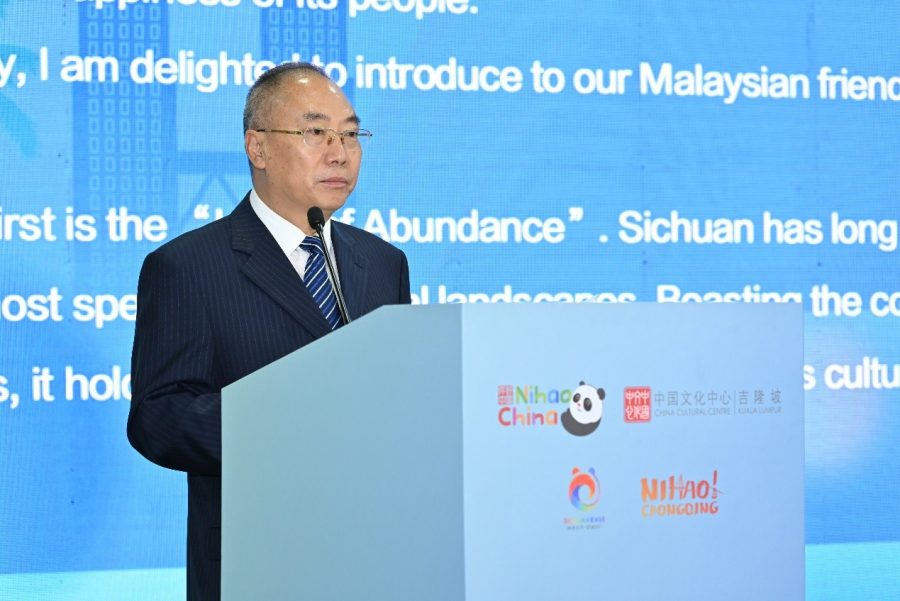
        Speech by Mr. Wang Chengping, Deputy Director-General, Sichuan Provincial Department of Culture and Tourism

        On the first day of the fair, the “Splendid Sichuan, Land of Abundance” Cultural and Tourism Public Promotion in Malaysia was held concurrently. More than 100 attendees were present, including Han Ning, Director of the China Cultural Center in Kuala Lumpur; Lee Thai Hung, Deputy Director General of Tourism Malaysia; Nigel Wong Chun Teim, President of the Malaysian Association of Tour and Travel Agents; as well as representatives from local travel agencies, airlines, media outlets, and the public. In his remarks, Wang Chengping, Deputy Director General of the Sichuan Provincial Department of Culture and Tourism, emphasized that Malaysia is one of Sichuan’s key inbound tourist markets. He noted that the launch of the cultural tourism brand logo provides an opportunity to further deepen practical cooperation with Malaysia in the cultural and tourism sectors, with the goal of achieving mutual promotion of resources, two-way tourist flows, and shared market benefits.

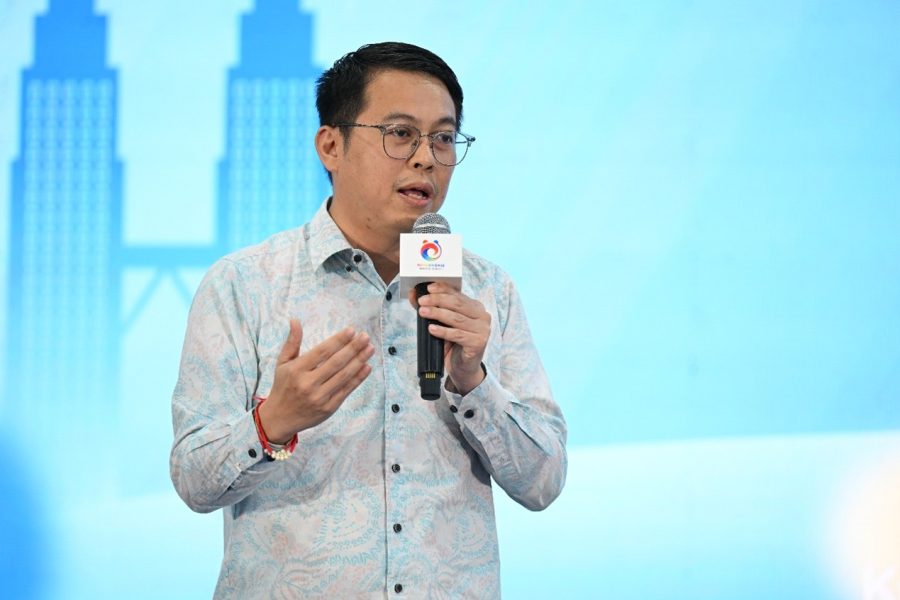
        Speech by Mr. Samuel Lee Thai Hung, Deputy Director-General (Promotions II), Tourism Malaysia

        The regional synergy of the “Ba-Shu Cultural and Tourism Corridor” was also fully demonstrated. The exhibition highlighted the cultural charm and premium tourism resources of Sichuan and Chongqing, characterized by “international flair, Chinese essence, and Ba-Shu heritage.” The two regions jointly promoted cross-regional themed routes such as “Exploring the Twin Cities by High-Speed Rail,” offering visitors a convenient “one-stop, two-destination” travel option.”

        Interactive Experience Projects

        This participation marked the first official overseas promotion of the “Splendid Sichuan, Land of Abundance” cultural and tourism brand since its global launch on August 14, 2025. Its successful debut in Malaysia further enhanced Sichuan’s visibility and appeal in the international tourism market.

          The Haven Resort’s Visionary Leadership Propels Ipoh to Global Tourism Prominence

          A Strategic Catalyst Transforming a Historic City into a Premier International Destination

          By Gunaprasath Bupalan

          The Haven Resort – Ipoh, Malaysia.

          Ipoh, a city steeped in the rich history of tin mining, has witnessed a remarkable resurgence in recent years, blossoming into a captivating destination that draws travellers from both within Malaysia and across the globe. At the heart of this transformation lies The Haven Resort, a luxurious sanctuary that has not only redefined the standards of hospitality in the region but has also emerged as a significant catalyst in propelling Ipoh to the forefront of Malaysia’s tourism industry and bolstering its economic landscape.

          The Haven Resort has been instrumental in attracting a diverse influx of tourists to Ipoh, drawn by its unique proposition of opulent accommodations nestled amidst the breathtaking panorama of dramatic limestone hills and verdant tropical rainforests. This distinctive blend of luxury and natural beauty has resonated strongly with both domestic holidaymakers seeking a tranquil escape and international adventurers eager to explore Malaysia’s hidden gems.

          Where beauty and comfort meet.

          The resort’s success in attracting foreign visitors is particularly noteworthy. Prior to 2023, The Haven had proudly welcomed over 80,000 international guests from more than 60 different nations. This impressive figure has continued to climb, with recent reports indicating that The Haven has now hosted over 150,000 foreign tourists from a wider spectrum of over 120 countries. This significant influx of international visitors underscores The Haven’s growing global appeal and its effectiveness in positioning Ipoh as a destination of international standing.

          Further amplifying its global reach and commitment to excellence, The Haven Resort has forged a strategic alliance with TUI BLUE, a renowned international hotel chain. This collaboration is a testament to The Haven’s ambition to continuously elevate its quality of service and hospitality standards, thereby attracting an even broader audience of discerning international travellers. By aligning with a globally recognized brand, The Haven is not only enhancing its operational efficiency but is also tapping into a vast network of potential customers, further solidifying Ipoh’s position on the international tourism radar.

          The Haven’s unwavering dedication to providing exceptional experiences has been consistently recognized through numerous prestigious accolades. The resort has consistently ranked within the top 1% of hotels worldwide by TripAdvisor. To date, The Haven has garnered an impressive collection of over 63 international and local awards, a clear indication of its commitment to excellence in all aspects of its operations. These accolades not only enhance the resort’s reputation as a premier destination but also contribute significantly to elevating Ipoh’s overall image as a world-class tourist hub, attracting more attention and credibility to the region.

          The Haven Resort has been instrumental in attracting a diverse influx of tourists to Ipoh, drawn by its unique proposition of opulent accommodations nestled amidst the breathtaking panorama of dramatic limestone hills and verdant tropical rainforests.

          The positive ripple effect of The Haven Resort extends far beyond the realm of tourism, making substantial contributions to the economic vitality of Ipoh. The significant increase in tourist arrivals, directly attributable to The Haven’s allure, translates into increased spending within the local economy. These tourists patronize a wide array of local businesses, including restaurants, retail outlets, transportation services, and various other tourism-related enterprises. This surge in economic activity provides a vital boost to the local economy, fostering growth and sustainability.

          Unknown to most, one great benefaction of The Haven Resort to Ipoh is the provision of a most worthwhile vocation for the local community. The Haven does not merely provide a service of livelihood; the role and training provided nurtures its staff not only for work excellence but for the inculcation of deep and worthwhile qualities and attributes even for eternal life.

          Beyond direct employment within the resort, the increased tourism activity has also spurred further employment opportunities in supporting industries, such as tour operators, local guides, and suppliers of goods and services. This injection of employment opportunities contributes significantly to the socio-economic well-being of the population in the local region.

          The presence of a high-caliber resort like The Haven also has the potential to positively influence property values in the surrounding areas. The enhanced appeal and desirability of Ipoh as a tourist destination, partly driven by the presence of such a prestigious establishment, has led to a large appreciation in property values, benefiting local homeowners and attracting further development and investment in the area.

          The Haven’s success story has indeed served as a catalyst for further investment and development in Ipoh. Following its success, more than 45 high-rise developments have evolved, including Sunway’s medical center, Onsen Suites, a shopping center being built that will be Perak’s largest and even a university. These developments will undoubtedly strengthen its position as a prominent tourist destination.

          Peter Chan, Chief Executive Officer of The Haven Resort.

          The visionary leadership of Peter Chan, the Chief Executive Officer of The Haven, has been a driving force behind the resort’s remarkable success and its profound positive impact on Ipoh. His unwavering vision and steadfast commitment to creating a world-class destination have been instrumental in reshaping Ipoh’s tourism landscape and elevating its profile on the national and international stage. His strategic direction and dedication to excellence have been pivotal in transforming Ipoh from a relatively lesser-known city into a thriving tourism hub.

          “The Haven Resort stands as a powerful testament to the transformative potential of strategic tourism development. By offering a unique and luxurious experience that seamlessly blends natural beauty with world-class hospitality, The Haven has not only successfully attracted a significant influx of visitors from across the globe but has also played a pivotal role in revitalizing Ipoh’s economy and firmly establishing its position as a prominent and increasingly sought-after destination on the Malaysian map,” Chan proudly explains.

          The resort’s continued commitment to excellence, coupled with its strategic collaborations and visionary leadership, promises to further enhance Ipoh’s appeal as a premier tourist destination for years to come, contributing significantly to the nation’s tourism industry and overall economic prosperity.

          For more information on The Haven Resort, or to book your unforgettable stay, please log on to https://tuibluethehavenipoh.com/

          -end-


            It’s getting darker: Nation-state APTs employ dark AI, says Kaspersky expert

            Brace for more sophisticated and stealthy attacks driven by the rise of dark artificial intelligence (AI) in APAC. This is among the key findings shared by global cybersecurity and digital privacy company Kaspersky.

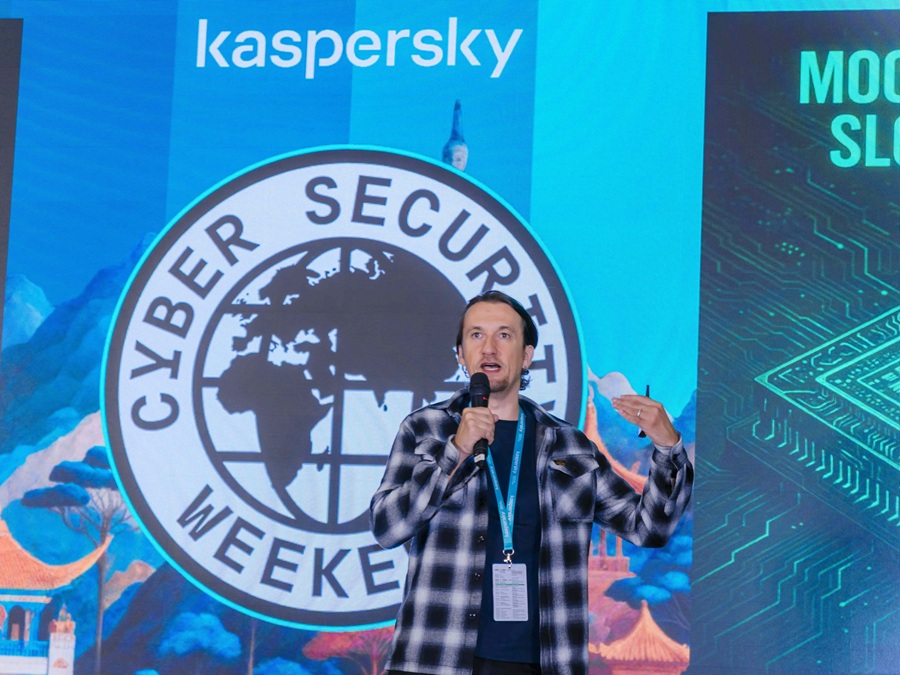
            “Since ChatGPT gained global popularity in 2023, we have observed several useful adoptions of AI, from mundane tasks like video creation to technical threat detections and analysis. In the same breath, bad actors are using it to enhance their attacking capabilities. We are entering an era in cybersecurity and in our society where AI is the shield and dark AI is the sword,” says Sergey Lozhkin, head of Global Research and Analysis Team (GReAT) for META and APAC at Kaspersky.

            Sergey Lozhkin, head of Global Research and Analysis Team (GReAT) for META and APAC at Kaspersky. | Photo by Kaspersky - 19 August 2025 / NHA File Photo
            Sergey Lozhkin, head of Global Research and Analysis Team (GReAT) for META and APAC at Kaspersky. | Photo by Kaspersky – 19 August 2025 / NHA File Photo

            Dark AI refers to the local or remote deployment of non-restricted large language models (LLMs) within a full framework or chatbot system that is used for malicious, unethical, or unauthorised purposes. These systems operate outside standard safety, compliance, or governance controls, often enabling capabilities such as deception, manipulation, cyberattacks, or data abuse without oversight.

            Dark AI in action

            Lozhkin shared the most common and well-known malicious use of AI today comes in the form of Black Hat GPTs, which emerged as early as mid-2023. These are AI models that are intentionally built, modified, or used to perform unethical, illegal, or malicious activities such as generating malicious codes, crafting fluent and persuasive phishing emails for both mass and targeted attacks, creating voice and video deepfakes, and even supporting Red Team operations.

            Black Hat GPTs can be or private or semi-private AI models. Known examples include WormGPT, DarkBard, FraudGPT, and Xanthorox, designed or adapted to support cybercrime, fraud, and malicious automation.

            Aside from the typical dark uses of AI, Lozhkin revealed that Kaspersky experts are now observing a darker trend – nation-state actors leveraging LLMs in their campaigns.

            “OpenAI recently revealed it has disrupted over 20 covert influence and cyber operations attempting to misuse its AI tools. We can expect threat actors to create more clever ways of weaponising generative AI operating in both public and private threat ecosystems. We should brace for it,” he explains.

            Open AI’s report revealed that the malicious actors have used LLMs to craft convincing fake personas, respond in real-time to targets, and produce multilingual content designed to deceive victims and bypass traditional security filters.

            “AI doesn’t inherently know right from wrong; it’s a tool that follows prompts. Even when safeguards are in place, we know APTs are persistent attackers. As dark AI tools become more accessible and capable, it’s crucial for organisations and individuals in Asia Pacific to strengthen cybersecurity hygiene, invest in threat detection powered by AI itself, and stay educated on how these technologies can be exploited,” Lozhkin adds.

            To help organisations defend themselves against dark AI and AI-enabled cyber threats, Kaspersky experts suggest:

            To be updated on the latest threats using dark AI, visit https://www.kaspersky.com/.

            Source: Kaspersky

              MCMC to meet TikTok over concerns on child involvement in PK Battle trend: Malaysian Comms Minister

              The Malaysian Communications and Multimedia Commission (MCMC) will soon hold discussions with TikTok’s management to address growing parental concerns over the rising popularity of the PK Battle (Personal Knockout Battle) trend among young users of the platform.

              Communications Minister Datuk Fahmi Fadzil said the ministry views the matter seriously, especially following reports that children are spending substantial amounts of money on virtual gifts in order to participate in the trend, Bernama reported.

              He revealed that an official directive was issued this morning, and the government expects a response from TikTok representatives within the week.

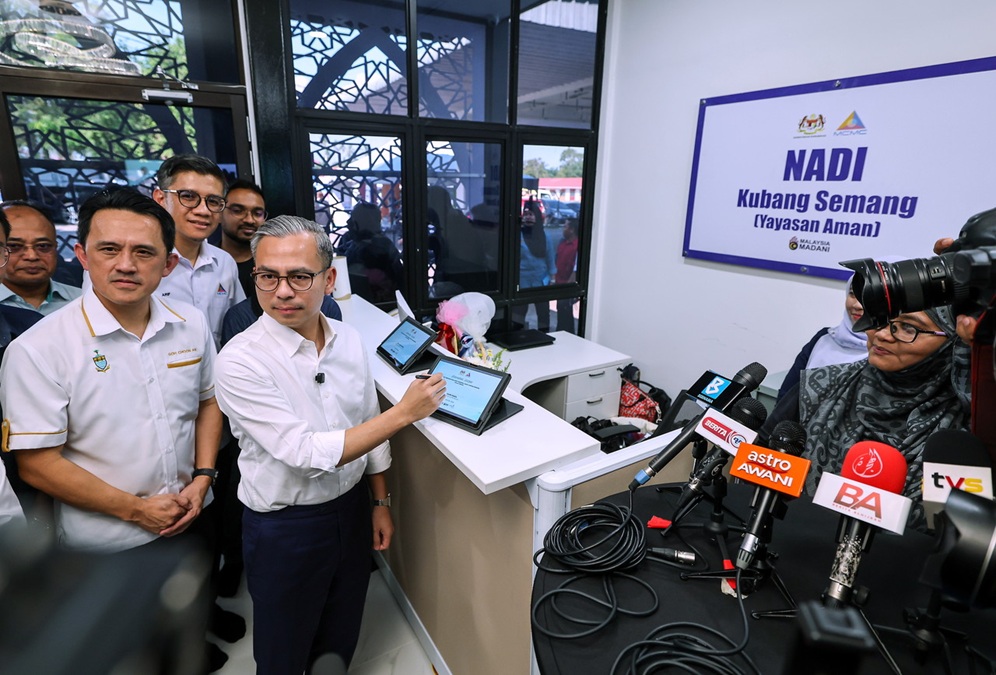
              “This issue has been reported by the media, and we are taking it seriously. Since TikTok has obtained its operating licence here, they need to come forward to provide an explanation and state what steps can be taken to resolve this problem,” he said during a press conference after visiting the Kubang Semang National Information Dissemination Centre (NADI) today.

              Communications Minister Datuk Fahmi Fadzil (second from left) during a visit to the Kubang Semang Digital Economy Centre (Nadi) today. - Bernama pic, 30 June 2025 (via Scoop.my) | NHA File Photo
              Communications Minister Datuk Fahmi Fadzil (second from left) during a visit to the Kubang Semang Digital Economy Centre (Nadi) today. – Bernama pic, 30 June 2025 (via Scoop.my) | NHA File Photo

              Also present were Communications Ministry secretary-general Datuk Mohamad Fauzi Md Isa and Information Department director-general Julina Johan.

              Fahmi stressed that the government remains committed to safeguarding minors from harmful or inappropriate content on social media platforms.

              “That is why we have consistently said that children under 13 should not have accounts on TikTok, Instagram, or any other social media platform. They are highly impressionable and can easily be drawn into trends like PK Battle without understanding the consequences,” he said.

              On 28 May, the non-governmental organisation Pertubuhan Damai Revolusi Masyarakat submitted a memorandum to Istana Negara, urging royal intervention to ban the PK Battle feature in Malaysia. The group also appealed to the government to consider the matter, arguing that the trend undermines social values and encourages cyberbullying and humiliation.

              Separately, Fahmi provided an update on the establishment of the Malaysian Media Council (MMM), stating that efforts are ongoing despite some delays due to financial procedures.

              He said Mohamad Fauzi has been tasked with identifying suitable mechanisms to ensure the smooth allocation of funds to the council. Under the new law, the MMM will also be allowed to secure financing through any legal channel.

              “I hope that within the next one to two months, we’ll be able to hold at least a few preliminary meetings. However, within six months of its formation, the council’s founding board must conduct a selection process to appoint the office bearers,” he said.

              Fahmi added that the government has yet to hold detailed discussions on the matter to allow the founding board adequate space to deliberate on key issues. A formal dialogue is expected to take place in the coming weeks.

              The Malaysian Media Council was made possible following the passing of the Malaysian Media Council Bill in the Dewan Rakyat on 26 February and subsequently in the Dewan Negara on 19 March. The Bill received royal assent and was gazetted shortly after.

              Fahmi officially announced the enforcement of the law on 14 June, in conjunction with the 2025 National Journalists’ Day (Hawana), describing it as a landmark reform that would bring significant benefits to journalists and media practitioners nationwide.

              This article was originally published by Scoop.my on 30 June 2025. News Hub Asia's new seal logo is a black spot with the letters 'NHA' inscribed in the centre with three diagonal dots in white.

                Public safety should come first when planning infrastructure projects in Malaysia: experts

                Public safety must be given greater priority when rolling out infrastructure projects, especially as the government commits to expanding public transport systems, experts say.

                Transport consultant Rosli Azad Khan and associate professor Bernard Saw Lip Huat of Universiti Tunku Abdul Rahman (Utar) said safety should be non-negotiable and must be the foremost consideration in the planning, approval, and execution of any public transport infrastructure project in Malaysia.

                When building public infrastructure projects, especially as the government is looking to expand public transportation, experts opine that public safety should be prioritised. – Sccop.my, 24 July 2025 | Photo for illustrative purposes only. | Photo by Scoop.my (file pic) / NHA File Photo
                When building public infrastructure projects, especially as the government is looking to expand public transportation, experts opine that public safety should be prioritised. – Sccop.my, 24 July 2025 | Photo for illustrative purposes only. | Photo by Scoop.my (file pic) / NHA File Photo

                While operations of public transport systems, for instance, need to be fast and effective, safety issues will ultimately cause interruption, damage, increase costs and in severe cases, injuries and death.

                Saw, of Utar’s Lee Kong Chian Faculty of Engineering and Science, stressed that safety must be embedded from the earliest design and planning stages, with proper risk assessment, redundancy in engineering controls, adherence to global safety standards, and continuous public engagement.

                “Failure in engineering design and development can lead to devastating consequences in terms of human lives and public confidence.

                “Public infrastructure must be safe and resilient and protect the public who use it,” he said.

                Rosli noted that regardless of the urgency or political push to deliver infrastructure quickly, compromising safety undermines public trust, endangers lives, and could result in long-term economic losses due to accidents, system failures, or costly retrofits.

                He stressed that the cost of cutting corners is far greater than doing things right from the start.

                Meanwhile, former Prasarana Malaysia Bhd managing director and MRT Corp CEO Datuk Seri Shahril Mokhtar said safety considerations are not only critical for public transport but also for water supply infrastructure and public buildings.

                Their comments come at a time when public tragedies involving infrastructure failures have reignited concerns over safety – such as last year’s Jalan Masjid India sinkhole, the 2021 MRR2 flyover scaffolding collapse, and the 1988 collapse of the Sultan Abdul Halim ferry terminal bridge in Butterworth, which killed 32 people.

                Are existing public safety regulations adequate? 

                When asked if Malaysia’s existing safety requirements are sufficient, Rosli said that while a regulatory framework does exist, its effectiveness is often weakened by inconsistent enforcement, fragmented oversight, and a lack of inter-agency coordination.

                He explained that agencies such as the Land Public Transport Agency (Apad), Malaysian Highway Authority (LLM), Construction Industry Development Board (CIDB), Department of Occupational Safety and Health (DOSH), and local authorities all have roles to play – but the ecosystem often operates in silos.

                This, he said, creates gaps – particularly at project interfaces or in cases where close coordination is critical.

                “For example, when elevated rail construction intersects with roads or highways near public amenities such as hospitals or schools, safety needs become more pronounced and paramount.

                “Moreover, current safety requirements tend to be compliance-based rather than performance- or risk-based.

                “This limits their effectiveness in anticipating and mitigating complex, real-world safety issues,” he added.

                Rosli also emphasised the need for a stronger focus on safety monitoring during construction and maintenance, rather than only at the approval or pre-construction stages.

                Meanwhile, Saw called for consistent enforcement, timely regulatory updates, and greater accountability. He pointed to high-profile incidents in the past, such as the 2021 LRT collision in Kelana Jaya, highway structure collapses, and delayed emergency responses.

                “(These incidents) highlight critical gaps in implementation, coordination among agencies, and safety monitoring, especially during construction and early operational phases.

                “Safety responsibilities are often spread across multiple agencies, consultants, and contractors,” he added.

                Independent audits needed 

                Both Rosli and Saw called for mandatory, third-party safety audits for all large-scale public transport infrastructure projects prior to commissioning. These audits must be conducted independently of the contractor and consultant teams, with findings directly influencing final project approvals.

                Saw further suggested that safety performance data, incident reports, and audit outcomes be published mandatorily, arguing that transparent reporting fosters a more accountable and safety-conscious project culture.

                Stronger enforcement, heavier penalties

                Shahril, drawing from his experience in the public transport sector, said the core problem lies not in legislation, but in enforcement.

                “Therefore, I think regulators, in particular, need to go down more frequently. Not just reviewing the manuals or guidelines, but also doing safety audits from time to time,” he said, citing the auditor-general’s role as a watchdog that should be emulated.

                He said more frequent audits would ensure contractors and project owners are aware that regulators can inspect at any time.

                “If they find impropriety, (rules) not being followed, then fines must be imposed. (Usually) if they find something critical not being followed as per the law, they just impose a RM5,000 to RM10,000 fine.

                “It doesn’t work that way. (The fines) should be more so that it’s very meaningful and has an impact on the project.”

                Shahril cited the new aerotrain at KLIA to emphasise that safety can never be compromised.

                “Despite the urgency for the train to be operational, MAHB and the Transport Ministry did not rush the process.

                “The train’s 2,000km fault-free run of safety testing had to be completed before commissioning it for the public,” he added.

                This article originally appeared on Scoop.my and was written by Scoop journalist, R. Dineskumar. News Hub Asia's new seal logo is a black spot with the letters 'NHA' inscribed in the centre with three diagonal dots in white.

                  Rotary Club of Klang Valley Closes a Magical Year with 40 Transformational Service Projects

                  The Rotary Club of Klang Valley completed a landmark Rotary Year (2024–2025) with 40 community service projects, reflecting the year’s inspiring theme – The Magic of Rotary.

                  Under the dedicated leadership of President Shanthi Thiruchelvam, the club embraced and echoed the Rotary motto – Service Above Self, through impactful initiatives that touched lives across communities. This significant milestone underscores the club’s commitment to ‘Creating Hope in the World’, leading to substantial positive impacts.

                  Plalking at Taman Jaya for a greener tomorrow.
                  Green Roots – Nurturing Sustainability.

                  From peace building and conflict prevention, women empowerment, women and child development, literacy drives, community economic development, health outreach to environmental programs and youth empowerment, the club successfully delivered projects across all Rotary Areas of Focus, and upheld the Avenues of Service. These efforts would not have been possible without the role of club teamwork, partnerships, corporate sponsors, and community leaders who shared the club’s vision for a better world.

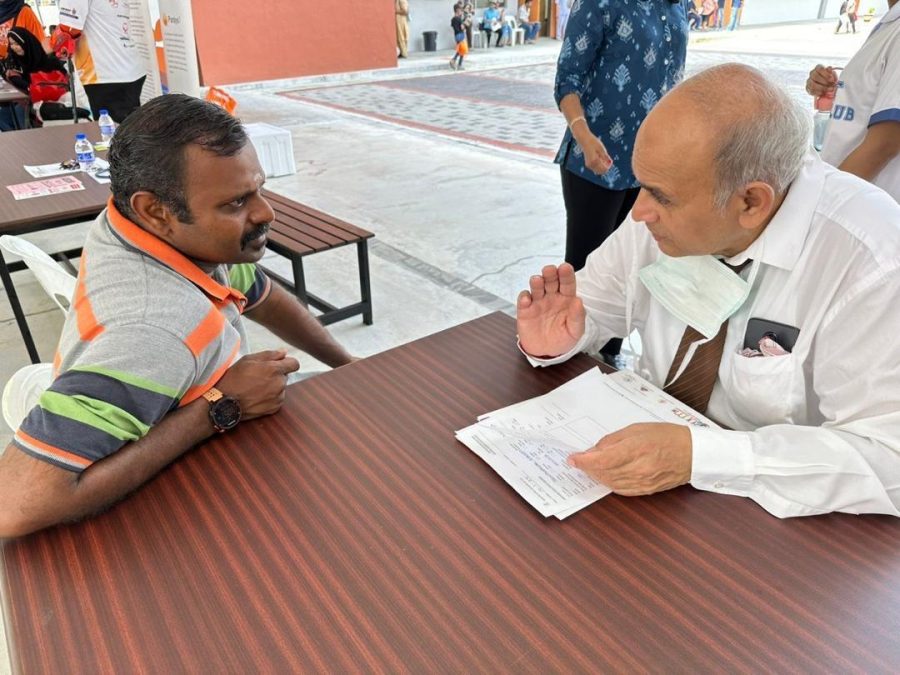
                  Multidisciplinary Community Medical Camp.

                  Baking skills towards a sustainable career path.

                  The club’s achievements earned prestigious recognition at the recent Rotary District 3300 and TRF Recognition ceremony for 2025, affirming the extraordinary impact of the year’s work.

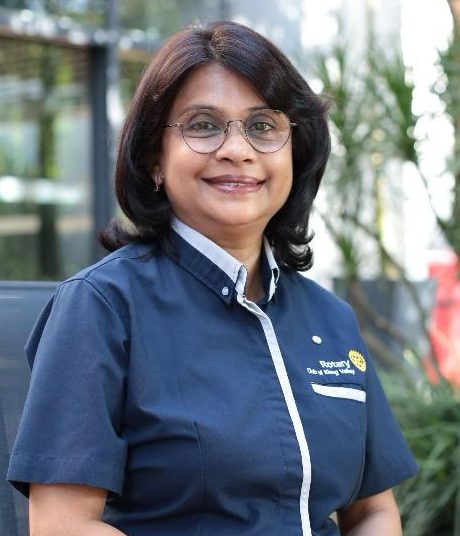
                  President Shanthi.

                  In reflecting on the journey, President Shanthi remarked, “This year, we witnessed what’s possible when people unite with purpose and passion. The magic wasn’t just in the projects, it was in every handshake, every smile, every shared efforts towards a common goal and every life touched. It has been deeply rewarding to see our members endeavour become meaningful action. Rotary gave us the platform, but it’s our shared humanity that created the magic.

                  A key driver behind the Club’s service momentum was Community Services Director and District Governor Nominee Dr Raj Kumar N, whose vision, diligence and coordination brought consistency and excellence across all 40 projects.

                  Dr Raj Kumar, Community Service Director.

                  “The Rotary Four-Way test serves as a moral compass to every service project delivered, ensuring our actions are truthful, fair, promote goodwill and are beneficial to all concerned. Each project was more than just a task. It was a commitment to distinction, hope, and positive change in underprivileged communities. We focused not only on impact, but on sustainability and respect for the communities we serve,” said Raj Kumar

                  As of 30 June 2025, President Shanthi concludes her term and now serves as the Immediate Past President (IPP), passing the baton to her successor, while leaving a legacy of heart-led service and visionary leadership. She will continue to serve and support the club in her role as IPP.

                  ———————————————————————-

                  About the Rotary Club of Klang Valley

                  The Rotary Club of Klang Valley (RCKV) was chartered on 21 June 2019, and has since served the community through many innovative service projects and programs. RCKV is a part of Rotary International, a global network of community volunteers dedicated to improving lives and promoting peace. The club has 50 members, sharing a passion for community service and friendship. RCKV supports a diverse, equitable and an inclusive culture to foster a vibrant and inclusive environment for all members to unite and take action to create a lasting change in communities and around the world.

                    Bertis and Innoquest Diagnostics join forces to tackle cancer detection across South East Asia

                    Bertis, a South Korea-based precision medicine company, has inked a strategic partnership with Innoquest Diagnostics, Singapore’s leading clinical diagnostics laboratory, in a move that could transform cancer detection across South East Asia.

                    The collaboration, announced on 7 July, will see Innoquest operate and commercialise Bertis’ proteomics-powered diagnostic tests—starting with MASTOCHECK®, a non-invasive blood test for early breast cancer detection. The rollout begins in Singapore, with plans to expand across the regional network of Pathology Asia, Innoquest’s parent company.

                    Pathology Asia operates in Malaysia, Vietnam, the Philippines, Thailand, Indonesia, and Australia—collectively serving more than 500 million people. The strategic deal aims to localise testing infrastructure and expand access to advanced diagnostic tools amid the region’s growing healthcare needs.

                    Source: Bertis / NHA File Photo
                    Source: Bertis / NHA File Photo

                    “More than just a distribution deal, it marks a strategic entry into the South East Asia cancer diagnostics market based on our proprietary technology,” said Seung-man Han, CEO of Bertis. “We hope that MASTOCHECK® and our broader portfolio of proteomics-based early detection solutions will make a meaningful contribution to improving cancer care across diverse healthcare systems.”

                    Bertis’ proteomics platform leverages mass spectrometry to identify disease-specific protein biomarkers. In addition to breast cancer, the company’s CHECK series of blood tests is being developed to detect pancreatic and ovarian cancers, with further applications expected.

                    Thomas Halusa, CEO of Innoquest Diagnostics, noted the partnership’s potential to address critical screening gaps in the region.

                    “We are excited to partner with Bertis to bring innovative, blood-based cancer screening tools to Singapore and the broader region,” Halusa said. “This collaboration aligns with our commitment to advancing accessible, science-led diagnostic solutions and reinforces our role as the region’s partner of choice for global medical technology innovators.”

                    Cancer remains a major health burden across Southeast Asia, with late-stage diagnoses common due to limited access to routine screening. The World Health Organization estimates that the region could face over two million new cancer cases annually by 2040. Non-invasive, affordable blood tests like MASTOCHECK® offer a promising alternative to traditional screening methods that may be costly or invasive.

                    With this deal, Bertis cements its operational footprint in Asia-Pacific, while Innoquest boosts its capabilities as a regional diagnostics hub. The partnership also sets the stage for future expansion into markets like Hong Kong and Australia.

                    As Southeast Asia increasingly embraces precision medicine, the Bertis-Innoquest tie-up could represent a pivotal shift in cancer care, offering earlier detection, better outcomes, and greater healthcare equity for millions across the region. News Hub Asia's new seal logo is a black spot with the letters 'NHA' inscribed in the centre with three diagonal dots in white.