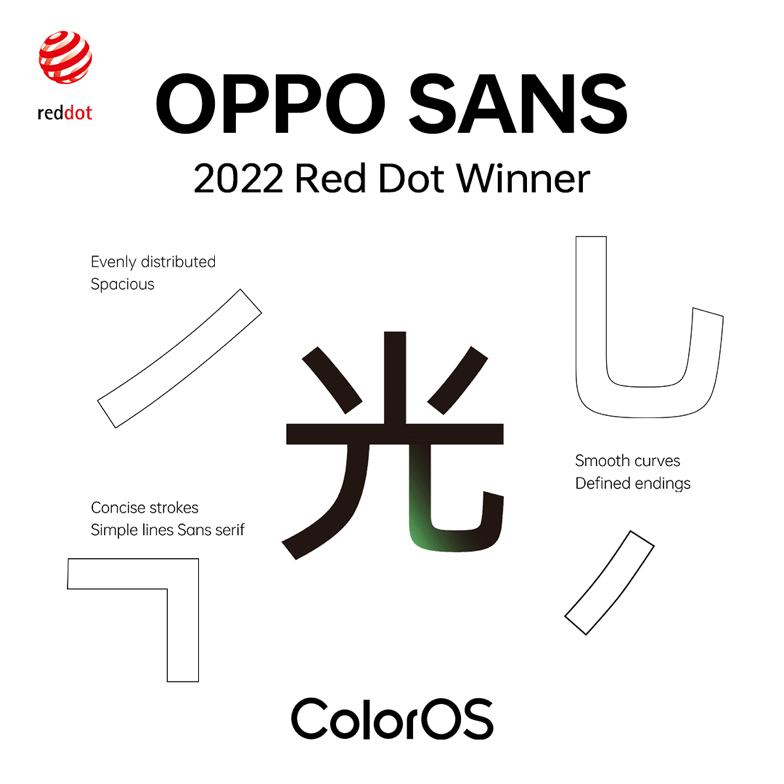
OPPO ColorOS 12 wins four design awards at the Red Dot Award: Brands & Communication Design Awards for 2022, recognizing the pioneering designs on its operations system ColorOS12 with OPPO SANS Fonts, O Relax app, OMOJI, and the Two-Finger Split Screen function
Subscribe to our Telegram channel to get a daily dose of business and lifestyle news from NHA – News Hub Asia!
OPPO SANS is a universal typeface designed by OPPO. The visual optimization ranges from the font’s structure to its glyphs. Optimization like the simplification of strokes also allows the overall shape of the font to appear more concise and elegant. These updates present an upgraded sense of technology and strengthen the font’s legibility on a variety of screen displays in different products.
O Relax is OPPO’s digital wellbeing application that provides users with soothing music tracks and ambient sounds of nature and city to relax your mind. Its key feature – Sounds of the City – inspired by locations all around the world, offers users with high-quality ambiance sounds recorded from locations around the globe including Reykjavik, Beijing, and Tokyo. Each presented in the distinctive sounds ranging from vibrant sound such as a fast-approaching train, to the calming sound of a pavement in a neighbourhood, to soothing sounds of nature from gentle breeze and heavy rain. Such an audible exploration of the world enables users to immerse themselves into their own experience of serenity and meditation.
OMOJI from ColorOS 12 is supported by OPPO’s industry-leading Face Capture algorithm. With the high-precision models of virtual expression that is built upon 52 core human facial expression together with 200+ stylistic elements, users are able to customize unique emoji that represents their own style, and to send messages with a personal touch.
ColorOS 12 introduce the new “Two-Finger Split Screen” function is tailored to the 7.1-inch large screen of OPPO’s first folding screen mobile phone, Find N, optimising user experience through providing efficiency and multi-tasking flexibility. Users can easily swipe down the middle of the foldable screen with two fingers, the screen display will then be split into two to aid with multi-tasking demands. Such design is aimed to be both intuitive and self-explanatory to users.
The Red Dot Design Award is amongst the most prestigious of professional design competitions globally. The accolades are direct recognition to OPPO’s world-class design capabilities. In the future, OPPO will continue to endeavours on delivering users with more comprehensibile and comfortable experience through ColorOS. OPPO recently announced the date of the global online launch event for its latest mobile operating system, ColorOS 13. It will be one of the first OEM operating systems based on Android 13 to be launched. For more information about ColorOS 13, please join the ColorOS Official Launch Event on YouTube and Twitter at 7:00 PM GMT+8 on August 18th, 2022.
Digital Entertainment Asset Pte. Ltd. (DEA), the Singapore-based GameFi platform operator, has announced a partnership with ACA Football Partners (ACAFP) to launch PlaysiaTV, a brand-new video streaming service that incorporates the Web3 concept in the PlayMining ecosystem.
Image 1: ACAFP CEO Hiroyuki Ono, DEA Founder & CEO Naohito Yoshida
Subscribe to our Telegram channel to get a daily dose of business and lifestyle news from NHA – News Hub Asia!
ACAFP is a Singapore-based football business company that plans to create multi-club ownership from Asia under the mission of “Release the value of Sports & Evolve”. Since February 2022, its owner club KMSK Deinze and DEA entered into a strategic partnership and they have already started working on the fan activation with the Web3 concept “Play&Earn”. KMSK Deinze’s fans play online games and get rewards such as season tickets or the club’s official goods, depending on how well they play the game. Through this activation, they aim to build the fan community outside of the stadium, too.
DEA has partnered with ACAFP to jointly develop PlaysiaTV, a unique video streaming service that incorporates the Web3 “Watch&Earn” concept and to start a collaboration with the PlayMining ecosystem.
They will create and distribute original content of ACAFP’s partnered clubs, and viewers may have a chance to get rewards by watching them online. This brand-new video streaming service enables sports fans to “Watch, Enjoy and Earn Rewards” and DEA believes this may release the value of sports at the same time as creating an additional touch point to widen the fan base.
■About PlaysiaTV
A video streaming service incorporating the Web3 “Watch&Earn” concept run by ACAFP. Viewers may enjoy the content just like playing games by letting them get rewards depending on their actions, such as the number or length of viewership. Also they plan to install the NFT concept to make a different price range of advertisements. Several channels will be out soon, including ACAFP and KMSK Deinze, and sports fans can enjoy documentary series or player interviews at any time from anywhere.
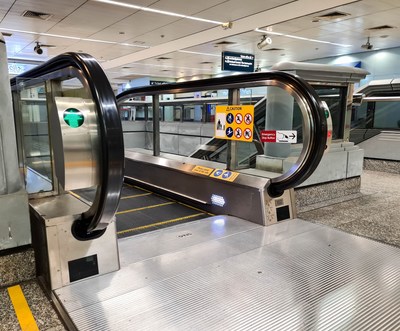
Otis , the world’s leading company for elevator and escalator manufacturing, installation, and service, has completed the project to completely refurbish 231 escalators across 42 stations on the Singapore MRT North-South and East-West (NSEW) railway lines. Each of the escalators has been upgraded with additional safety features, higher efficiency machines and new energy-saving controllers.
Image source: SMRT Trains
Subscribe to our Telegram channel to get a daily dose of business and lifestyle news from NHA – News Hub Asia!
The project is the first major refurbishment project since the NSEW railway lines began operations in 1987. It was awarded in 2016 to Otis by Singapore Mass Rapid Transit (SMRT) Trains– a local public transport service provider.
“With the NSEW lines being the most heavily utilized rail lines in Singapore’s MRT network, Otis is vital to ensuring that all passengers enjoy a safe and smooth journey,” said Grant Mooney, Managing Director, Southeast Asia. “The upgraded escalators can now move at different speeds to better cater to passenger traffic during different periods of the day, making them more energy and cost efficient.”
The escalators are programmed to move at a slower speed at 0.5 meters per second during off-peak hours which makes them safer for the elderly and young children. During peak hours, the escalators will move at the standard 0.75 meters per second to move more passengers as the trains arrive and depart from the stations.
Newly introduced safety features include lighted arrows to indicate the direction each escalator is moving in and skirt deflectors – barriers between the escalator steps and the skirt panels – which can prevent passenger’s feet or dresses from getting caught between the gaps. And handrail speed monitors activate a stop command when a handrail loses its tension or when the handrail speed deviates from the step speed.
Together the teams overcame numerous challenges – including daily work live stations that were full and operational. Hoardings, or solid barriers, were erected before work commenced at each site to keep passengers away from any hazards.
“I am immensely proud of our team who have worked closely with SMRT Trains and the Land Transport Authority (LTA) over the past years to remove, install and replace more than 1,000 parts and major components in each escalator,” said Mooney. “Safety of the public and our team has always been our top priority. Otis will continue to contribute toward the revitalization of Singapore’s infrastructure and keep the city moving.”
To learn more about elevators, escalators and moving walks designed for rail and other infrastructure sites, visit our Industrial & Infrastructure page.
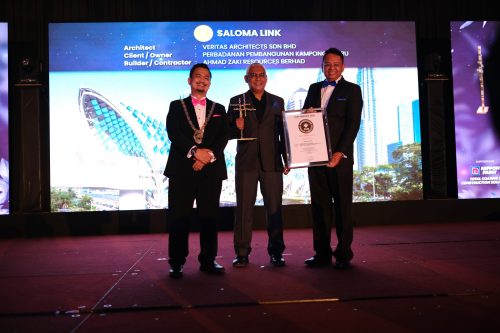
VERITAS recently bagged GOLD at the Pertubuhan Akitek Malaysia (PAM) Awards 2022 that was held last month for Saloma Link. The PAM Awards have long been the gold standard for architectural companies seeking to be recognised as industry leaders and the cream of the crop. The annual PAM Awards is Malaysia’s most prestigious architectural prize ceremony, honouring architects for their contributions to design excellence and the built environment. It is comparable to the Academy Prizes in the film business, in that awards are given to the greatest achievements in the architectural profession that are acknowledged by peers and the general public.
Ar. Sarly Adre Sarkum (PAM President), Ar. Azril Amir Jaafar (VERITAS Principal & Director), Ar. Sri Nor Shamsul Rizal Mohamad Jelani (Perbadanan Pembangunan Kampung Bharu Vice Chairman) receiving the Gold Award.
“This is our little effort to make Kuala Lumpur more comfortable and fun to walk besides celebrating the public realm for the people of the city to enjoy. Hopefully, this recognition will encourage more parties to come forward to contribute towards creating more sustainable urban design projects in our cities”, said Azril upon receiving the award.
Here’s to understanding the Saloma Link project better.
A new public space and landmark for the city of Kuala Lumpur.
How it all began
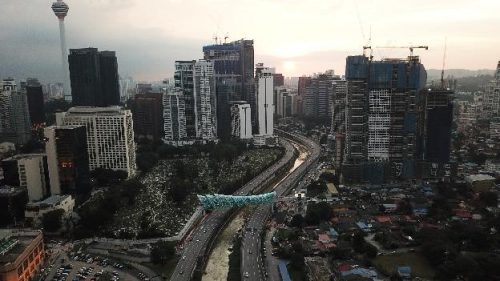
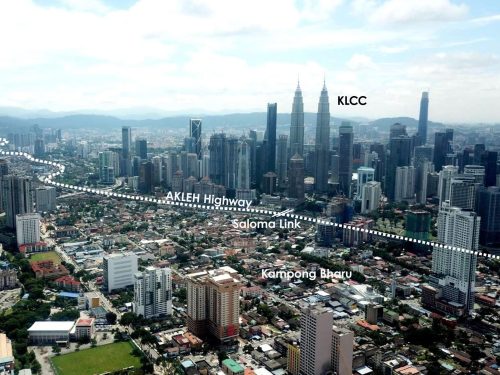
In 2015, VERITAS Architects was commissioned by Kampong Bharu Development Corporation (PKB) or also known as Perbadanan Pembangunan Kampong Bharu, a state-funded trust, to design a masterplan for the redevelopment of Kampong Bharu. Kampong Bharu is a historical precinct of 198 acres with a predominantly Malay Muslim settlement located at the heart of Kuala Lumpur. In the masterplan, where VERITAS proposed to develop a higher density residential-driven enclave with a central 25-acre public park, they initiated the idea for a pedestrian bridge to connect the modern central business district of Kuala Lumpur City Centre (KLCC) with the underdeveloped traditional residential enclave of Kampong Bharu. In the late 19th century, these two communities were once connected by a small footbridge across the Klang River, but the building of the Ampang Kuala Lumpur Elevated Highway (AKLEH) in 1996 along the riverbank created a physical barrier that further divided the communities. Saloma Link aims to re-establish this historical connection and provide direct pedestrian connectivity.
When the Client had to defer the full implementation of the Masterplan due to funding, VERITAS proposed to first build the pedestrian bridge instead of a new highway connection with their small initial budget thus the Saloma Link was born as the seed for the redevelopment of Kampong Bharu. The bridge is to become a new symbol for Kampung Bharu’s future and a catalyst to bring new development and business opportunities to the old district and encourage more walkability in the city and more importantly with the new connectivity, it will re-balance the social and economic disparities between the two sides of the river.
Since its opening in February 2020, the Saloma Link has become a new landmark and public recreational destination for Kuala Lumpur, drawing a manifold increase of locals and tourists to explore the historical enclave. By increasing walkability in the city centre, it has helped to relieve traffic congestion in the picturesque narrow streets of the old enclave and to enliven both banks of the river it now connects.
Establishing the historical connectivity that was lost.
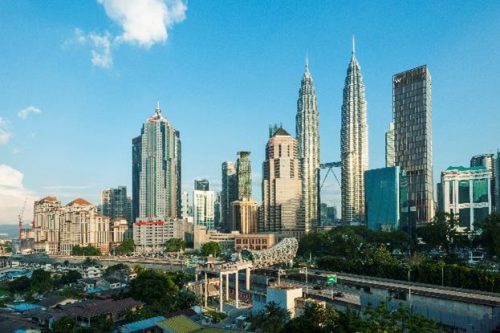
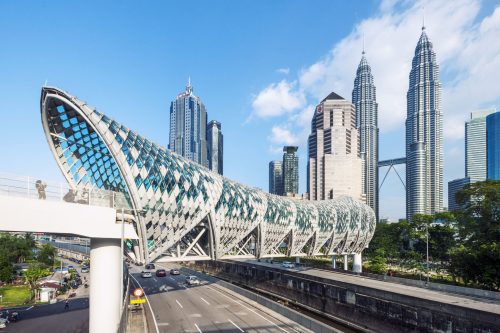
The Saloma Link (Pintasan Saloma in Malay) is a new pedestrian bridge that connects two important districts in Kuala Lumpur: Kampong Bharu (New Village), the traditional Malay Muslim enclave dating back to late 19th century and the Kuala Lumpur City Centre (KLCC), the modern cosmopolitan Central Business District (CBD), formerly separated by the Sungai Klang (Klang River) and the six-lane AKLEH highway. The Saloma Link, encompassed the redevelopment of Jalan Saloma (Saloma Street), to accommodate a small streetside plaza, wider shaded footpaths and a 370m elevated walkway culminated on a bridge that spans 69m across the Klang River and the AKLEH highway.
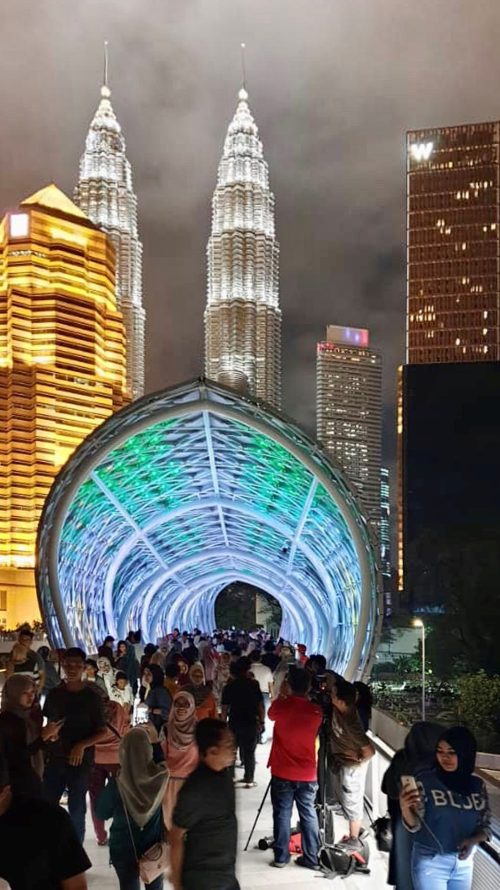
The bridge lands at Kampong Bharu creating a small elevated viewing platform that frames the skyline view of the vibrant KLCC with its iconic Petronas Twin Towers – the Saloma Link plants the seed for the future of Kampong Bharu.
Inspired by the ‘Sirih Junjung’, a matrimonial gift hand-crafted from ‘sireh leaves’, traditionally offered in Malay weddings as a symbol of unity, the Saloma Link represents a ceremonial gesture that embodies the bond between two important enclaves in the city: the affluent Kuala Lumpur City Centre and the historical village of Kampong Bharu. Beyond promoting increased connectivity and walkability, the Saloma Link aims to stimulate both the conservation and the redevelopment of this historical part of the city, not only by making it more accessible but, especially, by spreading the welfare of the prosperous CBD, making of this traditional enclave a more resilient place that can participate more equitably in Kuala Lumpur’s growth.
It’s not just a design, it is a statement
As the overall design of the bridge was inspired by the Sirih Junjung- the ornamental arrangement of petal leaves, the form of the bridge is a reflection of smooth subtle movement and lightness.
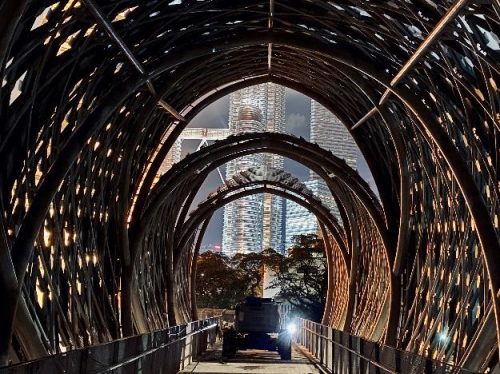
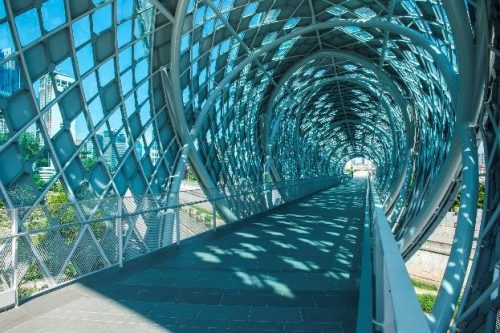
The facade panels create a play of light and shadows.
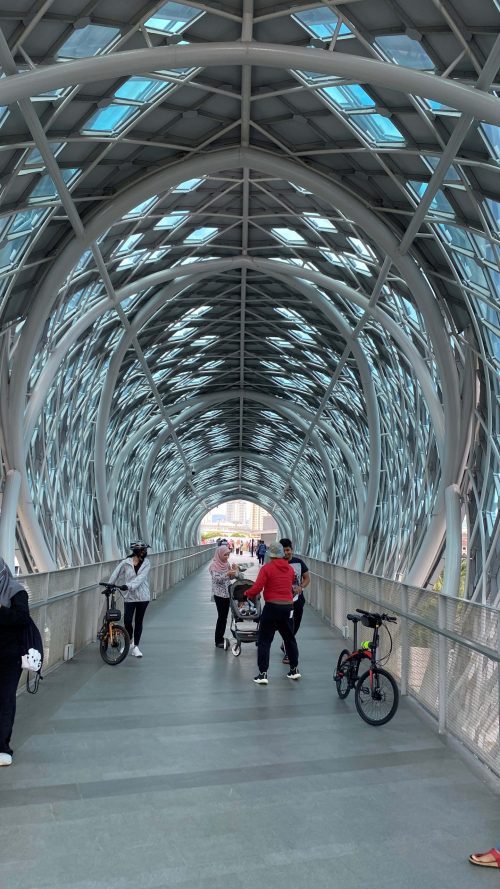
The curved steel roof canopy consists of 4,100 diamond facade modules, made of solid and perforated Aluminum, glass and clear panels. The configuration of these panels is designed to enhance the overlapping concept of Sirih Junjung, and its pattern references those found in traditional Malay arts & craft.
The construction challenges of the multi-directional curvatures of the bridge form were overcome by adopting computer simulation and Building Information Modelling (BIM) techniques from inception to completion.
Unique facade media lighting at night contributes to a vibrant urban setting and KL identity.
Each of the façade panels is equipped with state-of-the-art lighting modules to illuminate the bridge during the night. However, during the day, the panel’s unique shape enables it to reflect the sunlight to give the bridge a slight glimmer and distinctive character. The façade panels also create a play of light and shadows to offer a unique experience as one walks across the bridge. The façade media lighting can be programmed for different events, which contributes to the popularity of the bridge during local festive periods.
Social Sustainability
Bridging the social and economic, divide between two communities across the Klang river.
The city of Kuala Lumpur has its roots in the tin mining boom of the early 19th century. It began at the confluence of the Gombak and Klang rivers where Chinese indentured labour was brought into the city to mine tin. Jalan Ampang was a road built on the south side of the Klang River to transport raw tin from the Ampang and Sungei Besi mines to the young city of Kuala Lumpur at the confluence and down the river to Port Swettenham (now Port Klang). From its early role in the mining history, Jalan Ampang evolved into one of the main economic arteries of Kuala Lumpur and is today the main boulevard and backbone of the KLCC central business district.
With the increase in population, the settlement expanded on both sides of the river to what is now known as Kampong Bharu. Historical maps indicate the Klang River meandering through Kampong Bharu with a wooden foot bridge crossing the river since the 1870s. The early settlers on the north bank of the river were the predominantly Malay Muslim community. Along the river’s south bank lay the village Muslim cemetery existing till today. Roughly following the course of the river on the southern bank, were large villas built in the early 20th century by the affluent Chinese community from tin and rubber wealth, having evolved now into Kuala Lumpur’s new central business district (KLCC) crowned by the Petronas Twin Towers.
Although the river was already seen to physically divide these economically disparate ethnic communities, the introduction of the 6-lane AKLEH highway further deepened the division by straightening the river and demolishing the historical footbridges that existed. The highway drove a physical barrier between the two communities and a stark contrast is seen in the modern business district of KLCC and the under-developed traditional Malay enclave of Kampong Bharu.
Saloma Link plays a larger significance in the urban fabric of the city. As well as enhancing connectivity, it also aims to re-balance social and economic inequal.
Saloma Link plays a larger significance in the urban fabric of the city. Besides enhancing connectivity, it aspires to re-balance inequalities and bridge the poor and rich communities across the river. It aims to re-establish this historical connection to enhance social sustainability of the Kampung Bharu community and to promote spillover of the economic energy of the prosperous new CBD to the historically rich but undervalued village enclave.
Economic Sustainability
Bridge opens up new opportunities for small family businesses in the historical enclave of Kampong Bharu and encourage more walkability in the city.
The bridge connection encourages the movement of people from the cosmopolitan community of KLCC and Jalan Ampang to the vibrant but underdeveloped Kampong Bharu. The increased visitor traffic stimulates the growth of the many traditional small family-owned food businesses existing in Kampong Bharu, which improves the economic sustainability and well-being of the place.
Sustainable future development
Bridging the communities, culture and making KL more pedestrian friendly.
The Saloma Link and Kampung Bharu Masterplan is part of VERITAS future vision for Kuala Lumpur urban regeneration. The establishment of this first modern pedestrian link sets the development on the right sustainable footing that gives priority to pedestrian mobility. Besides that, the residential-driven Masterplan seeks to redress the acute affordable housing imbalance created by predominant higher-cost residential and commercial development in Kuala Lumpur over the last 20 years. The Masterplan envisions a revitalized, higher density residential enclave in the city centre that will enliven the city, create a greater sense of belonging and identity for city centre dwellers as well as significantly reduce the daily commuting between city centre and suburban areas. It has become part of the effort in encouraging pedestrian mobility and promoting sustainable urban design and place-making, reclaiming the historical memory and connection of the old Malay Muslim village to the modern city of Kuala Lumpur today. VERITAS believes that the Saloma Link plays a pivotal role in setting the foundation for the future vision and development of Kampung Bharu.
Economic, social, and cultural changes brought about by the COVID-19 pandemic are remaking the world of work in societies across the globe, and Malaysia is no exception. While businesses are scrambling for a return to normalcy, it is becoming increasingly apparent that many employees are less keen to do so.
The mass departure from traditional work cultures in favour of a more flexible one is pushing businesses to re-assess their talent strategies amid an environment of skilled labour scarcity, and has given rise to — or more accurately, skyrocketed the visibility of — contingent workforces.
Photo for illustrative purpose only. | Photo by Ketut Subiyanto/Pexels/NHA File Photo
Subscribe to our Telegramchannel to get a daily dose of business and lifestyle news from NHA – News Hub Asia!
Hired for a finite duration or on a renewal basis, these temporary staffs have traditionally been used purely to meet seasonal manpower demands, such as for ad-hoc campaigns or special projects. However, as graduates come of age amidst profound shifts in the nature of employment and many full-timers begin to migrate to flexible work, the modern contract worker is very much more. They are likely to be highly skilled in a particular niche or are able to offer specialised experience in a particular line of work.
What started off simply as a means of filling headcount gaps has now become something else entirely: a regularly revolving stream of skilled employees that complement a company’s existing full-time workforce.
On the surface, local employers have been quick on the uptake of contract workers — 64 per cent of Malaysian companies surveyed in 2022 are already adopting contingent workforces, citing talent shortages and the need to be agile in adapting to modern hiring practices. But as with all things that are implemented at speed, we run the risk of letting industry confidence get ahead of us, instead of first assessing Malaysia’s preparedness to embrace this phenomenon.
The question is no longer “can we implement contingent workforces?”, but rather: What hurdles do we need to overcome to prevent contingent workforces from being just a flash in the pan? Do we have the right culture and infrastructure in place for businesses to truly make the most of contract talent?
Putting the “work” in workforce
At first glance, contingent workforces seem to be the best of both worlds — beloved by both employers and employees for the flexibility it provides.
On top of access to a diverse, deep pool of talent (which may occasionally even be international), the contractual tenure enables company leaders and HR personnel to assess and adapt to business needs at any time. Hiring on a by-need basis can prove more cost-efficient than a large roster of full-time workers. This can be especially helpful in industries that are fast-paced and yet demand highly specialised workers, like healthcare or information technology.
Employees, on the other hand, enjoy the freedom it provides, working on their own terms and at times from anywhere in the world. By definition, and by virtue of being contractual, contingent workers bear less of an obligation to provide the full, in-person commitment to their employers.
This “touch-and-go” model that defines the nature of contract work is a double-edged sword that, if left unchecked, will come with unintended side effects for employers: feeding a lack of cohesion between permanent and contingent employees. Working on a reduced or flexible schedule separate from their full-time counterparts can sometimes mean extra challenges in terms of ensuring all team members are aligned on internal goals.
Digital communication may help mitigate this somewhat, but team dynamics and company culture can be hard to foster purely through screens, texts, or perhaps the very occasional interaction when schedules align.
Keeping commitment and motivation levels high in a contingent workforce that is fleeting by nature requires employers to adopt strategies that are more delicate than simply providing increased wages or better benefits. HR professionals and managers must be more willing to provide more robust training — not to harness talent, which contingent workers already have in spades, but to create opportunities for growth and development. Contract employees are likely to see value in personal attention and investment, especially when this remains scarce in many talent strategies.
It is also worth remembering that the vast majority of modern contingent employees are comprised of millennials and Gen Zs who are avid users of technology. The burden falls then to employers to upskill themselves and be similarly equipped: not just with the correct tools, but the knowledge to use those tools efficiently and effectively. This could range from everyday, “on-ground” technology like productivity suites and virtual collaboration tools, to digitised business-level systems such as integrated HR solutions and flexible employee benefit marketplaces.
Navigating a changing world of work
As business operations continue to adapt and transform, so too should the approaches to employment. Truly coaxing out the full positive impact of contingent workforces necessitates a more holistic, total approach to workforce planning.
Rather than viewing contingent workers as an “external” group that is outsourced “in addition to” permanent employees, businesses need to start thinking of them as an alternative task force that is intended to complement existing full-time staff — filling gaps that the latter would traditionally be unable to so that the cogs in the machine continue to run smoothly regardless of the hands-on-deck.
Malaysia admittedly still has some ways to go in terms of fully implementing the proper culture and infrastructure to put this in place. Local legislation can go a long way in terms of narrowing this gap. Classifying contract workers as “employees” under national labour law, while a small change on paper, could more actively push companies towards supporting new ways of working and the people making those new ways work.
Accommodating the rise of contingent workforces may pose its own unique set of challenges. Still, when done right, it can be gratifying — reaping benefits that will change the landscape of Malaysian work and how we approach it for the better.
*This article was written by Victor Phang, CEO and Founder of WorkSmartly.
with Dr David Foo, Consultant Paediatrician – Sri Kota Specialist Medical Centre, Klang.
Hand, foot and mouth disease (HFMD) is a highly contagious viral infection that can surface on the body parts. It is a common childhood illness that can also affect adults.
Malaysia hand, foot and mouth disease outbreaks continue to grow in 2022. For the first four months of 2022, Malaysian health officials have reported a total of 22,463 cases of hand, foot and mouth diseases (HFMD) nationwide, an increase of 12.8 times compared to the same period in 2021, which saw only 1,752 cases. MOH recently shared that a total of 31,661 cases of HFMD were reported through May 14. This is an increase of 15 times compared to 2021 during the same period (2121 cases). (ref:outbreaknewstoday.com,17 May, NST, 24 May 2022, outbreaknewstoday.com, 8 May 2022).
What is Hand, Foot and Mouth Disease (HFMD)?
Hand, foot, and mouth disease (HFMD) is a contagious disease, caused by different viruses e.g. coxsackievirus that affects the mouth, hands and feet. It is a viral infection that presents as a vesicular outbreak in the mouth.
Hand, foot and mouth disease (HFMD) is a highly contagious viral infection that can surface on the body parts.
It is important to know that it’s not the same as foot-and-mouth (sometimes called hoof-and-mouth) disease, which comes from a different virus and affects animals only.
One will not contract hand foot and mouth disease from pets or animals, and you are unable to transmit it to them either.
Who is at risk for HFMD?
Anyone can get it, but it usually affects infants and younger children. Children in child care centres, kindergartens and schools are especially susceptible to outbreaks of HFMD, as it spreads easily at daycare centres and schools.
Poor hygiene and a high incidence of social contact can also be related to the risk factors of HFMD infections.
What are the symptoms, and how soon does it appear?
The incubation period (period from initial infection to the onset of signs and symptoms) is three to six days.
The common symptoms are fever (the first sign), painful mouth ulcers, and blisters like rashes on the hands and feet. The rashes can also affect the buttocks, over the elbow and knee joints.
Other symptoms are loss of appetite, and irritability in infants and toddlers. HFMD is usually mild, and self-limited where nearly all infected people recover in 7 to 10 days.
What can be done to prevent the spread of HFMD?
The illness spreads by close contact with an infected person’s nose secretions or throat discharge, saliva, stool, fluid from blisters, and respiratory droplets in the air after a cough or sneeze. Infected persons are usually most contagious during the first week that they are sick.
Practice good hand hygiene, avoid close personal contact with infected persons and disinfect contaminated surfaces
What is the treatment?
There’s no specific treatment for hand-foot-and-mouth disease. Treatment is mainly symptomatic to relieve fever and pain of the oral ulcers. Take steps to relieve the symptoms, and ensure that your child is not dehydrated while they are sick.
Anti-itch lotion can be used for rashes. Some may need admission if the children refuse to eat or drink and get dehydrated. Rare complications like encephalitis and myocarditis require immediate medical attention.
How can we protect our children from HFMD?
To prevent the spread of HFMD it is essential to teach children good hygiene practices, such as:
Washing hands with soap and water frequently i.e. before and after eating and after going to the toilet
Cover the mouth and nose when they sneeze or cough.
Clean and disinfect surfaces and shared items like toys and doorknobs.
Don’t hug, kiss or come in close contact with someone with HFMD
Don’t share cups or utensils with infected persons
Avoid school or day-care if your children are infected, until their symptoms are gone, which usually takes a week.
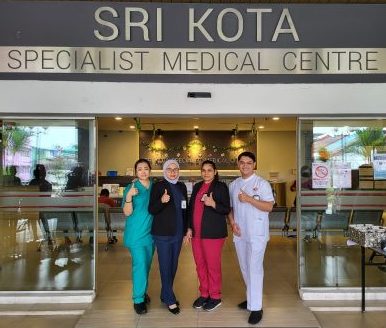
Dr David Foo, Consultant Paediatrician – Sri Kota Specialist Medical Centre, Klang.
Is it rare for adults to get HFMD?
Adults usually develop immunity to HFMD as they grow older by building antibodies after each exposure to the virus that causes HFMD. Although rare, adults and adolescents can still be infected, which is contagious in people of all ages. Good personal hygiene and care are the keys to staying healthy, and essential to preventing the spread of HFMD.
International Nurses Day (IND) has been celebrated for decades to honour and highlight the untiring, vital life-saving contributions of nurses all over the world. The theme for 2022 is “A Voice To Lead – Invest In Nursing and Respect Rights To Secure Global Health”.
The theme for IND 2022 demonstrates the need to invest in nursing, to build a resilient, highly qualified nursing workforce and to protect nurses’ rights in order to transform health systems to meet the needs of individuals and communities now and into the future.
“Exhibiting integrity in nursing is important. Nursing values are fundamental in the practice of nursing to ensure ethical and quality work is performed in the care and respect of patients. Integrity in nursing is imperative to safeguard professional implementation and uphold nurses’ responsibilities to their patients and employer.
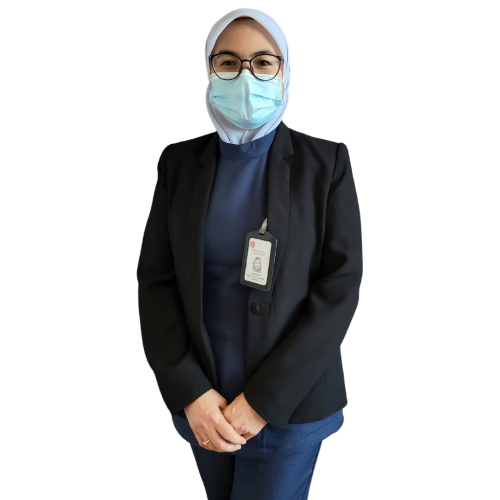
Matron Nazahiah binti Mat Daud, Director of Nursing, Sri Kota Specialist Medical Centre.
Nurses play an essential role in society today by being advocates for health promotion and education. Nursing knowledge and skills are required to sustain the quality of care, injury prevention and patient safety. A healthy work environment fosters an encouraging climate to provide patients with excellent nursing care and services,” said Matron Nazahiah binti Mat Daud, Director of Nursing, Sri Kota Specialist Medical Centre.
The Covid-19 pandemic is an absolute profile of the crucial roles and responsibilities nurses have to assume and continue to perform on a team-based care in the healthcare system.
Matron Nazahiah added that nurturing a positive nurse-physician relationship is central as it will make a significant difference, and contribute to improved quality care delivered to patients. Both professions play a key role in patient care and treatment. Teamwork, unified cooperation and respectful communication will provide good outcomes and patient satisfaction.
The founder of modern nursing – Florence Nightingale’s environment theory defined nursing as ‘the act of utilizing the patient’s environment to assist them in their recovery’.
Breaking the Tradition
In a female-dominated profession, more men are joining their ranks now than in previous decades. The high demand for nurses provides endless options in nursing with career stability and job growth projected to continue at 9% between 2020 and 2030. Men enter the profession just as women do – to care for people. Male nurses also help bring diversity to the profession. Male nurses stand out, as there are so few in the industry and people get to know you better.
“The thought of becoming a nurse was always close to my heart after caring for my late grandmother during her ailment. By nature, I have always enjoyed talking and engaging with people with compassion and care.
In my capacity as a cardiac scrub nurse in the cardiology unit for angiogram and angioplasty, I support and assist the Consultant Cardiologist in treating patients with heart attacks, angina and heart failure. I also provide emotional support to the patient, and family members who naturally will be anxious regarding the procedure and treatment, as well assist at the Intensive Care Unit for hemodynamically unstable patients, respiratory supported patients, and patients having undergone major operations
Predictably, being a male staff nurse in a predominantly female-dominated career sparks easy conversation with patients. The chat becomes interesting, and favourably paves the way to build good patient engagement and trust. The friendly environment makes the patient feel comfortable in the quality care I provide,” said Mohammad Hilmi Afandi Bin Mizan, a registered staff nurse at Sri Kota Specialist Medical Centre.
Mohammad Hilmi Afandi Bin Mizan, a registered staff nurse at Sri Kota Specialist Medical Centre.
Afandi passionately shared that nurses can change the world through their acts of kindness and compassion. “Knowing that you cared sincerely with concern for each individual patient served is a great sense of satisfaction and feeling at the end of a long tiring day,” he concludes warmly.
Due to the significant physical and mental strain from Covid-19 and increased rates of global burnout worldwide, International Council of Nurses (ICN) estimated that the nursing workforce alone could hit a shortfall of 13 million by 2030. The past two years have imposed new challenges on the well-being of nurses.
Nurses’ well-being and health can be affected by the demands of their workplace, and subsequently, stresses will affect their work and patient care. It is crucial for policymakers, employers, and professional associations to address the welfare and health equity of the nursing workforce.
The International Council of Nurses (ICN) works to ensure quality holistic nursing care, encompassing mental and physical health and spiritual, cultural and social wellbeing. Mental health is a cornerstone of health and well-being for individuals, communities and societies and nurses play a crucial role in the promotion and maintenance of mental health and well-being.
“The fact that we exist today as a species is a testament to the resiliency of our ancestors, especially their ability to construct shelter”.
David Mizan Hashim
From before recorded history, early humans occupied and later constructed physical shelters to protect themselves from the ravages of nature and conflict. Though Homo Sapiens were not the only animal to do so, their exceptional ability to continuously improve and modify their shelter to deal with the various types of danger specific to a place and time was key to our survival and evolution. As they migrated across the planet, our ancestors learned to build specific forms of protection in response to natural conditions prevalent in their habitat.
Where the dangers were tides and floods, the shelter was built on stilts, and where earthquakes were common structures were built in such a way as to withstand them. And whether it was to keep out life-threatening heat or cold, humans across the planet instinctively evolved the design and construction of their dwellings, and later their cities, to achieve greater health and mortality, thus improving their chances of survival.
In other words, “necessity is the mother of invention” was the mantra for the evolution of our buildings and cities and the resulting resiliency of our species. Many of the earliest forms of these habitations still exist today such as Jericho in what is modern Palestine or Damascus the oldest continuously occupied city on earth, founded in 8,000bc.
The technologies and traditions we have learned to construct a shelter to protect human lives in the face of varying environmental dangers have become increasingly improved and perfected over thousands of years of trial and error. However, there are relatively newer and increasingly serious existential threats to humanity, for which we have had less preparation. Threats for which our long and evolving tradition of resilient design has insufficient precedent to adapt.
The current pandemic has exposed the fragility of modern urban design and architecture in the face of a truly existential challenge to humanity. But we should have been better prepared. Even during the Black Plague in the Middle Ages in Europe, it was widely known that towns with less density, with more open spaces, parks and ventilation would suffer fewer causalities.
Wealthy urban dwellers fled their teeming villages and towns to the countryside whenever a pandemic struck. They knew that homes with better hygiene, sanitation and air circulation would better protect their inhabitants from contagion. Yet, despite this knowledge, our civilisation has failed to create a built environment to better protect ourselves from contagions such as Covid-19.
Recent scientific discoveries in exactly how infectious diseases spread have only confirmed what we already knew. To prevent viral transmission among urbanites, cities should have more open well-ventilated sunlit public spaces and buildings should have greater physical separation.
Shelter of any kind, whether it be residential, office, schools or hotels must have good natural ventilation and sunlight in their lobbies, corridors and individual dwellings. This is because most pathogens dissipate quickly in circulating air and solar radiation. Other attributes such as spacious elevators, larger rooms and more airy interiors would also have made buildings more resilient to the spread of infectious disease.
And balconies should not have been considered luxuries at all, especially for residential buildings. Due to the deprivations of quarantine, they were always necessary to maintain a reasonable quality of life when you are locked up with your family for days or weeks at a time.
Walking and cycling should be a more common means of movement and public transportation needs to be reorganised to avoid congestion. We knew all these things, but we conveniently forgot.
My point is that humanity certainly should have been more prepared for the pandemic with better urban design, environmental and architectural solutions but unfortunately, the pressures of space and economics conspired to prevent our constructions of shelter from embracing these life-preserving practices. The resulting hardships arising from this most recent pandemic should be a wake-up call to us all to be better prepared for a much more certain and devastating threat to humanity, which is actually just around the corner and for which we are far less prepared. I am referring of course to climate change, the most significant symptom of the Anthropocene.
The Anthropocene is the unit of geological time used to describe the most recent period in earth’s history when human activity started to have a significant and lasting impact on the planet’s climate and ecosystems. Scientists date the onset of this epoch to the industrial revolution in the 1800s, accelerating in the mid-20th century with the advent of the atomic bomb. Unlike early epochs in our planet’s climatic record, this is the first to be determined by humanity.
Our civilisation has not even begun to address the magnitude of the challenge that will be upon us in the Anthropocene to create safer and more liveable places for the human species in a world in which the weather is vastly different from what it has been since ancient history. Perhaps because these very real outcomes for planet earth and all of us inhabitants are too overwhelming to consider, we have until now not taken the difficult steps necessary to confront them.
Instead of dealing objectively and considering real solutions for the looming prospect of catastrophic sea-water rise, temperature increase, and the droughts, floods and other disasters that will certainly accompany them, we have instead distracted ourselves by tinkering with green-ratings, environmental certifications and sustainability metrics. This activity may lure us into the comfort of thinking that we are effectively responding to the future danger, but it is akin to rearranging the deckchairs as the Titanic sinks.
I don’t mean to be a doom-sayer, but the fact is that even in the unlikely event that humanity is able to reduce our carbon consumption to an extent that global temperature rise does not exceed the 1.5-degree Paris Accord commitment, the momentum of global warming will likely continue for centuries.
This is because it takes that long for the existing carbon dioxide in the atmosphere to dissipate. And assuming that this 1.5-degree mark is breached, as most scientists believe it will, the broader long-term climatic effects on our delicate planet are indeed chilling to contemplate.
Even a sea-level rise of half a meter by 2100, as predicted in most climate change models will directly impact over 50 million people, and wreak indescribable disruption to the rest of human activity. The atmosphere may become dangerous. Storms will become more regular and more intense than we can conceive. Many parts of the earth will become uninhabitable by the standards of current urban design and building construction.
Scientists also believe that pandemics will become more common on a warmer planet with a larger population. It is sobering to consider that, despite knowing that another pandemic was inevitable, and having experienced them before within our lifetimes and knowing what was necessary to confront one, we still failed miserably to implement what was necessary such as building more resilient shelter. Humanity was unable to collectively and consistently make even the simplest of sacrifices required to mitigate the crisis, such as social distancing and the wearing of masks. Similarly, I expect, with a deep concern for the fate of humanity, that we will again fail to make the collective sacrifices required to meet global carbon emissions reductions.
For the above reasons, I believe that we need to immediately start diverting some of our attention and resources away from trying to prevent global warming and climate change, a challenge we seem to be losing anyway, to actually dealing with the imminent impact of this slow-brewing catastrophe. In other words, to simply start adapting to the reality that awaits us. To build resilience.
The fact is that cities throughout the world, their infrastructure and all the buildings they comprise will need to be reimagined and re-engineered in the face of climate change, and the real possibility of another pandemic, to provide shelter and protections we need for our continued well-being and survival.
For example, we will need to build on higher ground in anticipation of the sea-water rise and away from sea-fronts, rivers and deltas or on stilts to avoid catastrophic floods. The lower floors of existing waterfront buildings may have to be abandoned along with the streets that surround them. We will need to construct sturdier buildings to withstand storms more destructive and regular than we have ever known, with better insulation to keep out the rising heat. We will need to design buildings with improved ventilation and air circulation to filter worsening air pollution and the increased likelihood of future pandemics.
And as global climate changes take effect, migration to the cities will accelerate as people attempt to escape natural disasters and the rising food scarcity, poverty and conflict which will disproportionately affect the countryside. We must not continue to make the mistake of building slums and overcrowded high-rise buildings with no parks to accommodate this urban migration. Instead, we should build higher and further apart, creating public facilities and gardens in the sunlit sky.
Climate change will also disrupt essential utilities such as power generation, water supply, sanitation and telecommunications. So, we will need to build infrastructure resilience for our cities and dwellings.
This means less reliance to begin with and multiple modes of essential service delivery for what we do require. For example, we must first reduce our reliance on electricity through lifestyle changes and devising more efficient equipment. And then to produce the energy we need we should not rely only on one power source but instead have redundant modes including solar, bio, wind, thermal and even nuclear at our disposal both at the macro and local scale.
The emerging interest in Smart Cities is partly a response to impending climate change. Smart Cities are urban areas that use various types of electronic methods and sensors to collect data on the ways in which the areas function, and use this data to manage municipal assets, resources and services more efficiently than otherwise. The prohibitive cost of creating these Smart City systems has hindered their full realisation. However, as we begin to experience the service and resource disruptions soon to be caused by climate change, I believe that Smart Cities will begin to play an essential role to predict and mitigate them. For example, if heavy rains are predicted, a Smart City may drain its reservoirs to prepare for potential flooding while creating and storing the resulting hydroelectric energy. And if droughts are predicted, a Smart City may pre-empt the disruption by storing additional quantities of water and rationing supply to its consumers.
I don’t intend to be a scaremonger. But the early signs of impending catastrophe are too obvious for us to ignore, if not in our lifetimes, then in those of our children and grandchildren. We should of course continue to work toward carbon reduction and hope that our efforts result in a lower climate change impact. But hope is not a strategy. We need to actually start physically preparing for the worst. Our cities and our buildings will need to adapt and become more resilient if our species is to survive the coming climate crisis.
The United Nation’s Independent Panel on Climate Change (IPCC) concluded in its most recent report that humans can no longer reverse some of the most catastrophic effects of climate change or stop its intensification over the next several decades. According to the UN World Meteorological Organisation, there has been more than 11,000 climate change-related weather disasters since 1970, resulting in 2 million deaths and USD3.64trillion in losses.
Over the last few years, this has accelerated to a daily toll of 115 deaths and USD202million in losses. We witness increasingly regular and catastrophic weather anomalies every day in the news. It is no longer a matter of control. What is left for us now is to learn to adapt to the Anthropocene.
In conclusion, despite the looming dangers, there is a role each of us can play to avoid the worst-case scenarios. While we should all be conscious of the ways in which our lifestyle adds to the planet’s carbon footprint and strive to reduce that where possible, each of us should begin to consider and plan for resilience in the face of the unstoppable and imminent disruptions that will soon accompany recurrent pandemics and more importantly catastrophic climate change. We must raise awareness about the dangers of not adapting and demand more resilient designs of our cities and their buildings. And we must advocate for policies, regulations and laws that will be eventually needed to protect human lives. It is the responsibility of this generation to relearn the imperative of resilience to save our planet and our human civilisation.
As an architect and urban designer, I have long advocated for changes in the way our cities and buildings are conceived to become more resilient to these future threats. But one voice is not enough. I hope that those who hear this message will join me, each in their own way, to change the tide of human affairs. This should be the legacy.
David Mizan Hashim is the Founder, Group President and Director of the VERITAS Design Group, a multi-disciplinary design firm established in 1987, which now has offices in 8 countries and is based in Kuala Lumpur, Malaysia. His academic credentials include a Bachelor degree in 1983 from the Massachusetts Institute of Technology (MIT) and a Master in Architecture in 1986 from Harvard University’s Graduate School of Design (GSD), both located in Cambridge, Massachusetts in the USA. Upon graduation, he was awarded the prestigious Aga Khan Travel Fellowship for research in Islamic architecture. David has been Principal-in-Charge of numerous award-winning architectures, planning, interior design and landscape design projects by VERITAS, in Malaysia and overseas. He is an avid environmentalist and champions sustainability in all aspects of design and construction.
Raises Funds for Hope Place and Special Needs Society Kuching
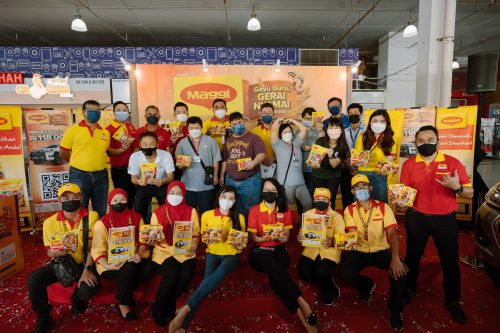
MAGGI’s teammates and members from Special Needs Society Kuching and Hope Place.
Hari Gawai or Gawai Dayak celebration symbolises the Sarawak community’s unity, aspiration and hope. It has been a tradition for MAGGI to host the Gawai festivities for many years now and this year it returns with the MAGGI’s “Jom Masak & Berkongsi Bersama” campaign in conjunction with the annual celebration.
Celebrating the Gawai festival this year is especially meaningful after two years of COVID-19 pandemic restrictions. Through this campaign, MAGGI hopes to bring cheer and togetherness to the Sabah community by organising various celebratory activities including recipe sharing, on-ground roadshows and a Corporate Social Responsibility (CSR) fundraising initiative to support those in need.
Throughout the campaign duration, MAGGI will raise funds through every MAGGI’s “Jom Masak & Berkongsi Bersama” contest entry submitted for the benefit of charity organisations, Hope Place and Special Needs Society Kuching in Sarawak. With this, MAGGI aims to light up the spirit of the local community and inspire others to also come forward and give back to the community, mirroring the spirit of care and unity of Gawai.
According to Ms. Geetha Balakrishna, Business Executive Officer of MAGGI, Nestlé (Malaysia) Berhad, “Every year, we look forward to participate in the celebration of culture and heritage in Sarawak. Hari Gawai is a is a significant thanksgiving and harvest festival that reminds us to cherish the time with friends and family, while coming together to celebrate the blessings that food brings. We at MAGGI believe that through the goodness of homemade food, there is an opportunity to make a positive difference, for our loved ones and the community. As such, we are honoured to be part of the Sarawakian kitchen, whether it’s for everyday cooking or special dishes prepared during this auspicious celebration, making the festivity merrier and more meaningful.
In line with MAGGI’s brand promise, You and MAGGI Cook the Difference, we understand that cooking goes beyond merely satiating one’s appetite. Through its various products, MAGGI strives to empower Malaysians in their culinary journeys, especially in creating good food moments with their loved ones,” added Geetha.
Hope Place is currently serving more than 200 needy families in and around Kuching, providing basic food aid and necessities, meanwhile Special Needs Society Kuching provides shelter home programmes to about 40 young adults with special needs within the city.
Both Hope Place and Special Needs Society Kuching will be receiving upgrades to their existing living facilities as well as contributions in the form of food supplies, handicraft materials, sewing machines and household items, which will then be distributed to its members and the communities in need, including people with intellectual disability, orphanages and welfare homes.
Mr. Joseph K L Chuo, President of Special Needs Society Kuching said “The Gawai festival has always been synonymous with the spirit of caring and togetherness. We believe that expressing concern to those in need and caring for the special needs community is a shared responsibility. Hence, we are glad that MAGGI is one of the caring corporate citizens and we appreciate all their contribution and support. We would like to call upon the public to join us in our community efforts to impart hope, compassion and love to the underserved segment of our society.”
Hope Place has also expressed their appreciation to the contribution and support provided by MAGGI as it will ease their burden and make a difference in the lives of the underprivileged communities.
The MAGGI’s “Jom Masak & Berkongsi Bersama” contest will run from 1 May to 30 June 2022, with MAGGI contributing RM0.10 for every contest entry received. A total of RM135,000 worth of prizes are up for grabs consisting of:
Grand Prize: 1x Toyota Hilux Double Cab 2.4E (AT) 4X4
First Place Prizes: 4 X RM2,000 Cash Prizes
Weekly Prizes: 108 X Cooking appliances – Worth RM200 each
To participate, consumers simply have to purchase participating MAGGI products, and submit the entry and contact details in one of the following ways:
Via WhatsApp: Include name and MyKad No. on the original receipt as proof of purchase, snap a photo and send the photo via WhatsApp to 018-388 3317.
Via Mail / Contest Drop Box: Fill in the entry form with the required details and send the form together with the proof of purchase (to be inserted in an envelope) to the P.O. Box address or contest drop box.
Raises Funds for Malaysian Red Crescent Society, Sabah
YB Datin Seri Panglima Cecilia Edwin Kitingan, and Datuk Asnan Yunus Chung celebrating the Tadau Kaamatan festivity from MAGGI-min.
Tadau Kaamatan or the Harvest Festival is a key celebration in Sabah to foster the spirit of unity, goodwill and friendship regardless of race, religion and background. It has been a tradition for MAGGI to host the Kaamatan festivities for many years now and this year it returns with the MAGGI’s “Jom Masak & Berkongsi Bersama” campaign in conjunction with the annual celebration.
Celebrating the Tadau Kaamatan festival this year is especially meaningful after two years of COVID-19 pandemic restrictions. Through this campaign, MAGGI hopes to bring cheer and togetherness to the Sabah community by organising various celebratory activities including recipe sharing, onground roadshows and a Corporate Social Responsibility (CSR) fundraising initiative to support those in need.
Throughout the campaign duration, MAGGI will raise funds for the Malaysian Red Crescent Society in Sabah with every MAGGI’s “Jom Masak & Berkongsi Bersama” contest entry submitted. With this, MAGGI aims to light up the spirit of the local community and inspire others to also come forward and give back to the community, mirroring the spirit of care and unity of Tadau Kaamatan.
According to Ms. Geetha Balakrishna, Business Executive Officer of MAGGI, Nestlé (Malaysia) Berhad, “Every year, we look forward to participate in the celebration of culture and heritage in Sabah. Tadau Kaamatan is a significant thanksgiving and harvest festival that reminds us to cherish the time with friends and family, while coming together to celebrate the blessings that food brings. We at MAGGI believe that through the goodness of homemade food, there is an opportunity to make a positive difference, for our loved ones and the community. As such, we are honoured to be part of the Sabahan kitchen, whether it’s for everyday cooking or special dishes prepared during this auspicious celebration, making the festivity merrier and more meaningful.
In line with MAGGI’s brand promise, You and MAGGI Cook the Difference, we understand that cooking goes beyond merely satiating one’s appetite. Through its various products, MAGGI strives to empower Malaysians in their culinary journeys, especially in creating good food moments with their loved ones,” added Geetha.
Speaking at the launch of MAGGI’s “Jom Masak & Berkongsi Bersama” campaign recently, YB Datin Seri Panglima Cecilia Edwin Kitingan, Vice President II of the Pertubuhan Muafakat Titipan Amal Isteri Wakil Rakyat Gabungan Rakyat Sabah (MUTIARA GRS) said, “The Tadau Kaamatan is definitely a time for families to come together, and MAGGI products have always been synonymous with home-made meals, giving them more time to observe the culture of eating together and further strengthening family ties. As such, I truly applaud MAGGI for extending its CSR efforts in support of the Malaysian Red Crescent Society in Sabah. I hope initiatives like these would continue to help improve the quality of life of those in the underserved communities.”
Datuk Asnan Yunus Chung, Chairman of the Malaysian Red Crescent Society, Sabah expressed his gratitude to MAGGI for the contribution and support whereby the funds raised will be utilised to purchase food supplies, medical equipment and household items as well as to upgrade existing living facilities.
The MAGGI’s “Jom Masak & Berkongsi Bersama” contest will run from 1 May to 30 June 2022, with MAGGI contributing RM0.10 for every contest entry received. A total of RM135,000 worth of prizes are up for grabs consisting of:
Grand Prize: 1x Toyota Hilux Double Cab 2.4E (AT) 4X4
First Place Prizes: 4 X RM2,000 Cash Prizes
Weekly Prizes: 108 X Cooking appliances – Worth RM200 each
To participate, consumers simply have to purchase participating MAGGI products, and submit the entry and contact details in one of the following ways:
Via WhatsApp: Include name and MyKad No. on the original receipt as proof of purchase, snap a photo and send the photo via WhatsApp to 018-388 3317.
Via Mail / Contest Drop Box: Fill in the entry form with the required details and send the form together with the proof of purchase (to be inserted in an envelope) to the P.O. Box address or contest drop box.